The post The 5 Best Hotels in Quebec City appeared first on Nomadic Matt's Travel Site.
]]>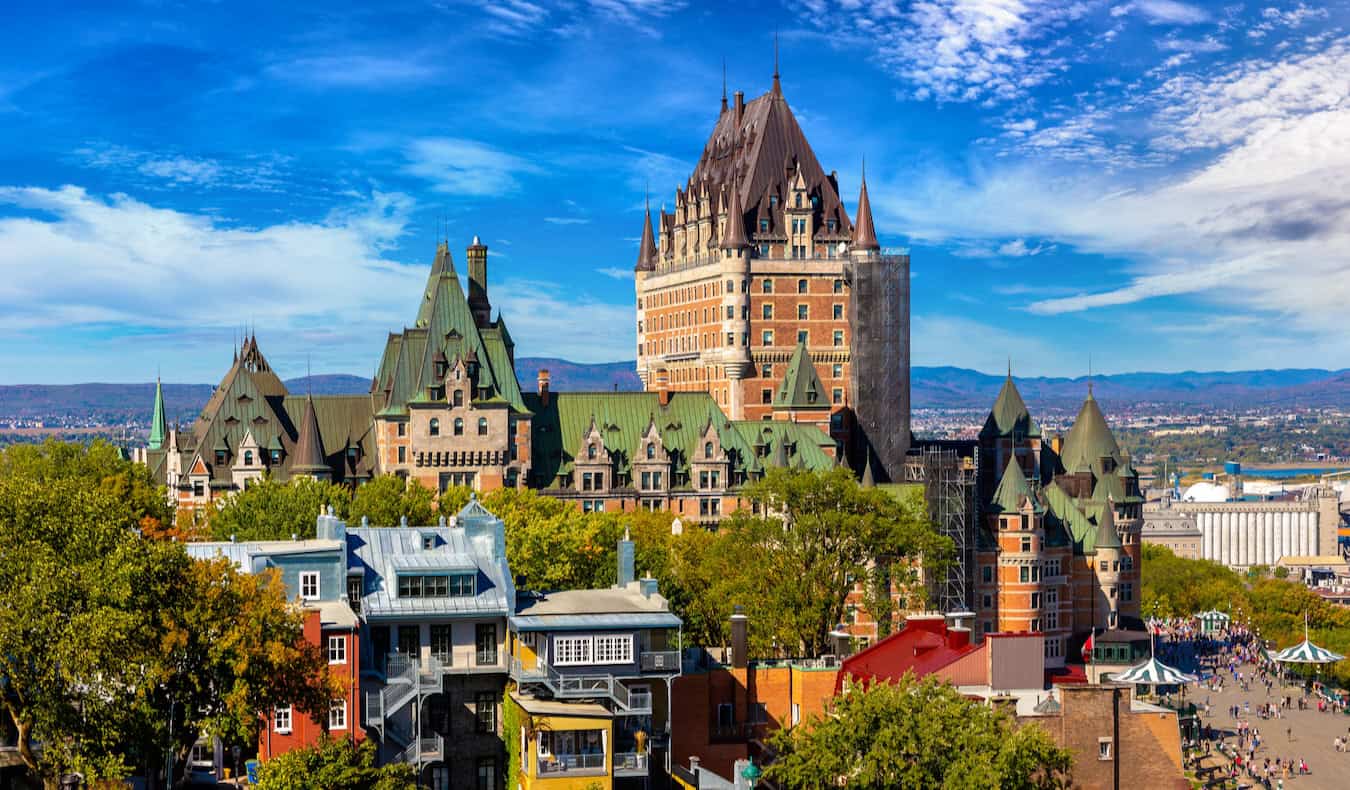
Quebec City is beautiful. While it’s regularly overlooked in favor of bigger destinations like Toronto and Montreal, this is where European explorers first arrived in the 16th and 17th centuries. A cultural hub in the province of Quebec (as well as the province’s capital), the city’s Old Town is one of the best preserved in all of North America.
As a foodie and history buff, I love Quebec City. It’s a fun place to visit no matter the season, though I think it is especially beautiful in winter when it’s old world charm is covered in snow.
It’s a popular getaway destination (for Canadians and visitors alike), so there are a lot of hotels to choose from here. Some are amazing and will greatly enrich your experience, while some, well, won’t at all.
To help you make the most of your visit there and choose from the hundreds of hotels that will come up on booking websites, here’s my list of the best hotels in Quebec City.
1. Hotel AtypiQ
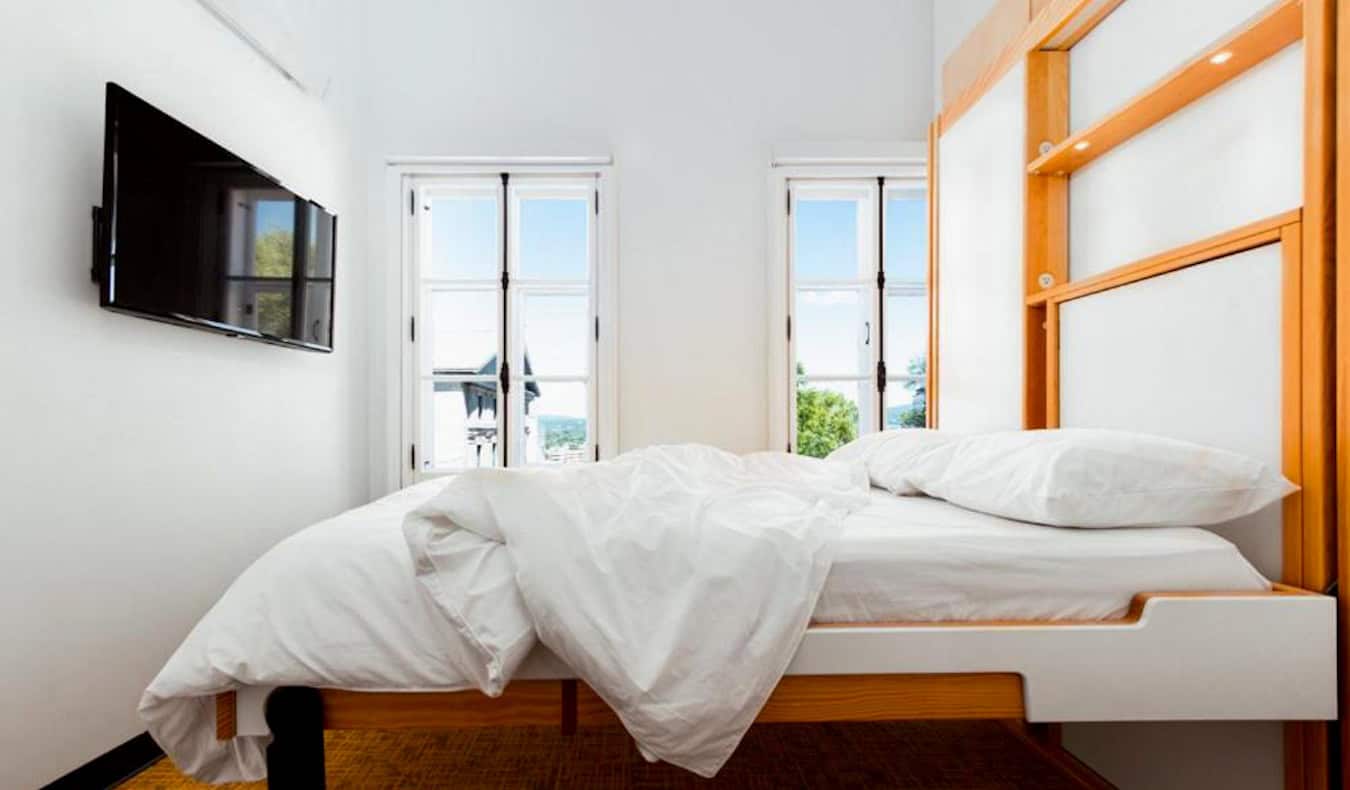
Opened in 2022, this new three-star hotel offers excellent value for the location. It embraces a unique concept of offering super small rooms that are just big enough to accommodate the bed that folds down from the wall. The rooms themselves are minimalist, with light tones and lots of natural light, as well as a few wooden accents. The bathrooms are small too, but nice and new, with rainfall showerheads, complimentary toiletries, and cool murals on the shower walls. The in-room amenities are sparse (just a flatscreen TV) but there’s a shared kitchen where you can make food or grab a coffee, as well as a garden and terrace for when the weather is nice.
There’s a simple free breakfast included (bread, fruits, meats) but you have to make it yourself using the shared kitchen. Overall, this is a super-efficient hotel that almost feels like a hostel. I think it’s a great value choice for budget travelers wanting the privacy of a private room and bathroom.
2. Fairmont Le Château Frontenac
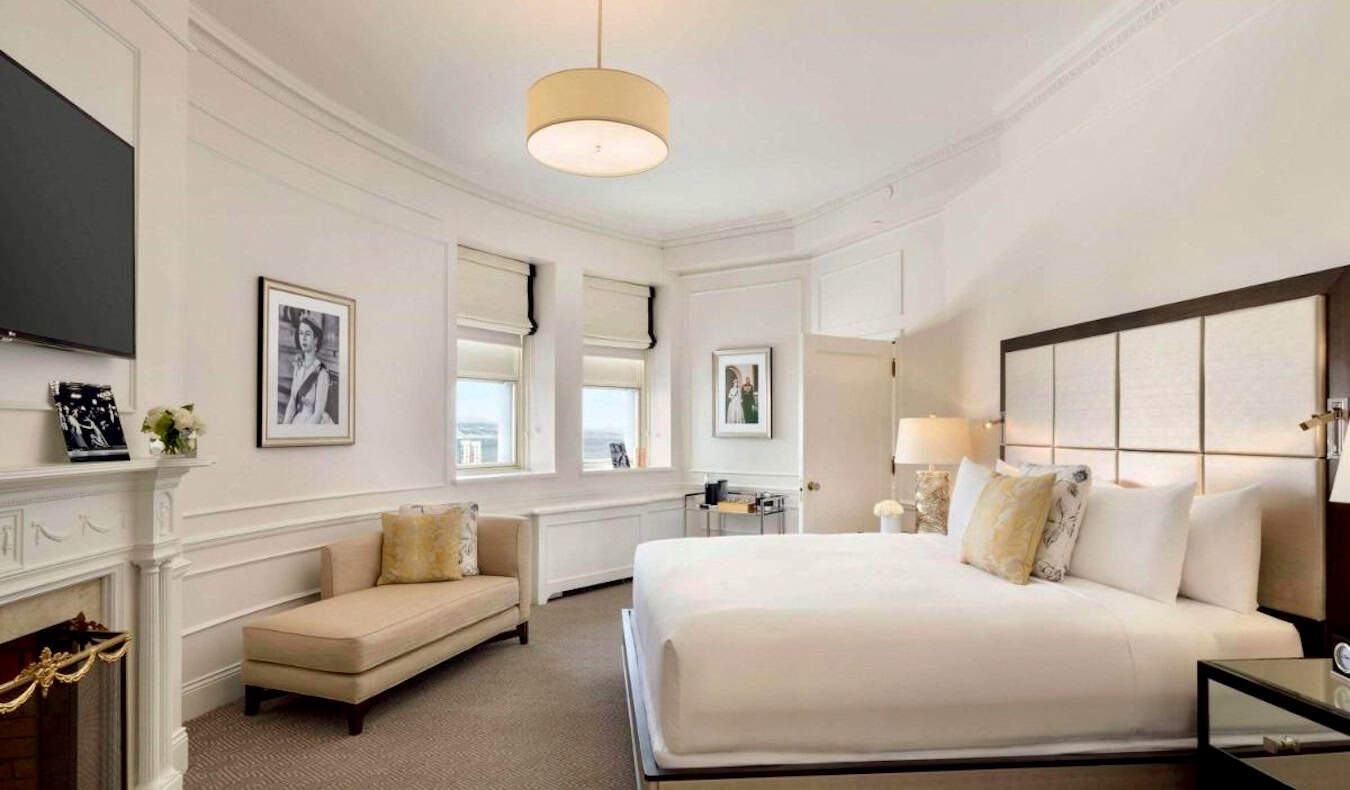
This hotel is one of the most iconic sights in the city (if not the entire country). Opened in 1893, the luxurious Château is such an important landmark, in fact, that you can take guided tours of the hotel even if you’re not staying here. If you do stay at this five-star hotel, it feels like you’re living in a historic palace. The spacious lobby is super opulent, with dazzling chandeliers and winding stairs that give the hotel that classic posh character.
The rooms here are stylish and airy, though I do think that they feel a little outdated thanks to the bland carpet and color palette of the rooms. In-room amenities include a rainfall shower, desk, and coffee maker. The award-winning Château also boasts several gourmet restaurants and bars as well as an indoor pool, a hot tub, a spa, steam rooms, and a fitness room. The breakfast, while pricey, is amazing and has tons of options for all diets.
If you want timeless luxury, stay here.
3. Hôtel du Jardin – Par Les Lofts
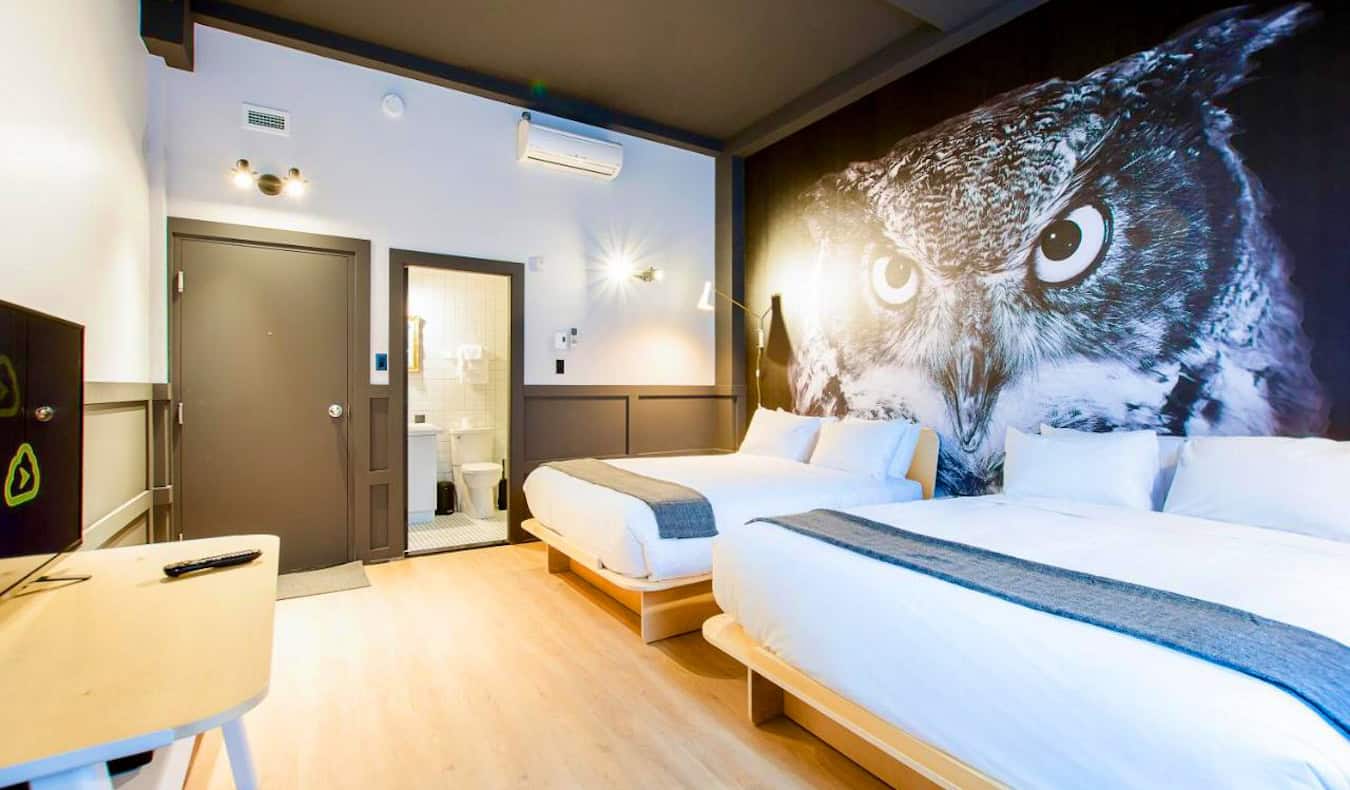
This three-star hotel is comprised of spacious loft apartments, making it a great choice for groups or families (or anyone looking for a bit more space than your standard hotel room). It feels a bit like staying in an Airbnb, as there’s contactless check-in and passcode entry. The lofts feature a minimalist design with light tones and wooden accents, as well as huge grayscale animal portraits on the wall. The bright tiled bathrooms have rain showers with excellent pressure (something I always appreciate), desks, soft beds, coffee makers, and flatscreen TVs.
While there’s no breakfast available, there are lots of places within walking distance where you can grab a bite (the neighborhood it’s in, Saint Roch, is actually one of the best areas of the city for foodies). Overall, it’s a simple but comfortable choice for couples or groups who want more space. I think it’s especially ideal if you’re planning a longer stay in the city, as this trendy neighborhood has more of a local feel than the Old Town.
4. Auberge J.A Moisan
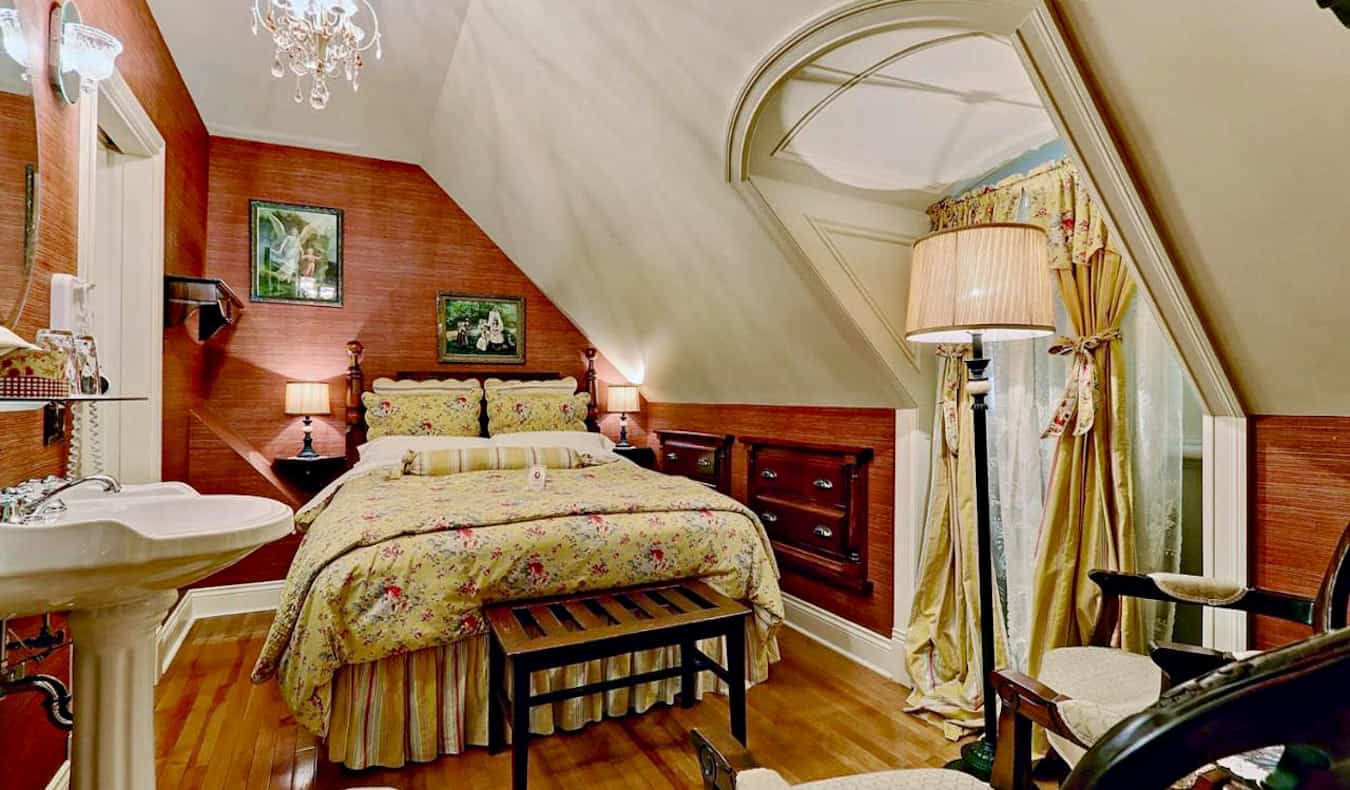
Travel back to Victorian-era Quebec in this charming four-star bed-and-breakfast. This B&B is decorated similarly to when it was first built in the mid-19th century, with floral duvets, colorful wallpaper, and exposed brick and wood. I like that you can enjoy the fantastic continental breakfast spread (there are fresh croissants!) in the Victorian parlor, hang out on the outdoor terrace, or prepare your own meals in the guest kitchen.
The rooms are on the smaller side with few amenities (for example, there are no TVs in the rooms, though there is one with a Roku stick in the parlour that you can use). The cozy rooms have super comfy beds, antique lamps, and period furnishings, and many even have deep claw-foot tubs in the bathrooms (I find the bathrooms a bit small though). While it’s not a very spacious property, it more than makes up for it in charm and service. It’s one of the most unique stays in the city.
5. Chateau des Tourelles
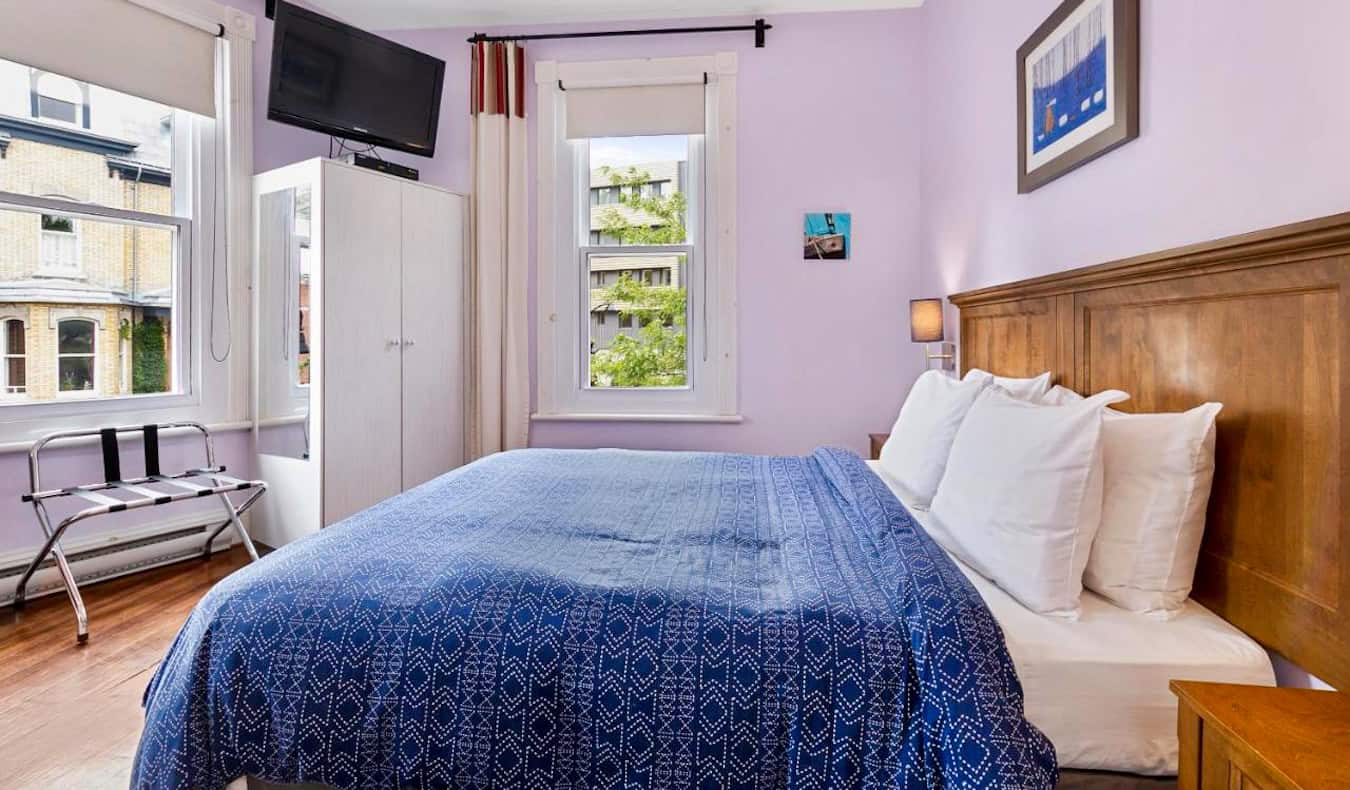
This cute three-star inn is just a 10-minute walk from the Old Town. The rooms are simply but tastefully decorated, with tons of natural light, hardwood floors, colorful walls, and even some exposed brick. All rooms have flatscreen TVs, a desk, and super comfy beds. Some of the suites have a private terrace and jacuzzi if you feel like splashing out. There’s no breakfast available, but there’s a Nespresso machine in every room and coffee/tea available in the common area 24/7. You’re walking distance to lots of dining options here too.
What I especially like is that there’s a common rooftop terrace where you can hang out and take in the panoramic view over the city. Another plus is that you can reserve a parking spot if you have a vehicle. This is another place where check-in is done digitally, which is convenient if you’re arriving at an odd hour.
Quebec City is a gorgeous, fun city that’s worth visiting no matter the season. With its vibrant food scene, amazing history and Old Town, and lively schedule of year-round festivals, I think Quebec City punches well above its weight. Just be sure to pick one of the hotels above for your stay. Do that, and you’ll be sure to have an amazing and comfortable visit to Quebec’s capital!
Book Your Trip to Quebec City: Logistical Tips and Tricks
Book Your Flight
Use Skyscanner to find a cheap flight. They are my favorite search engine because they search websites and airlines around the globe so you always know no stone is left unturned!
Book Your Accommodation
You can book your hostel with Hostelworld as they have the biggest inventory and best deals. If you want to stay somewhere other than a hostel, use Booking.com as they consistently return the cheapest rates for guesthouses and cheap hotels.
For what areas to stay in, here’s my neighborhood breakdown of Quebec City!
Don’t Forget Travel Insurance
Travel insurance will protect you against illness, injury, theft, and cancellations. It’s comprehensive protection in case anything goes wrong. I never go on a trip without it as I’ve had to use it many times in the past. My favorite companies that offer the best service and value are:
- Safety Wing (for everyone below 70)
- InsureMyTrip (for those over 70)
- Medjet (for additional evacuation coverage)
Need a Rental Car?
Discover Cars is a budget-friendly international car rental website. No matter where you’re headed, they’ll be able to find the best — and cheapest — rental for your trip!
Looking for the Best Companies to Save Money With?
Check out my resource page for the best companies to use when you travel. I list all the ones I use to save money when I’m on the road. They will save you money when you travel too.
Want More Information on Canada?
Be sure to visit my robust destination guide on Canada for even more planning tips!
The post The 5 Best Hotels in Quebec City appeared first on Nomadic Matt's Travel Site.
]]>The post The 5 Best Hotels in Vancouver appeared first on Nomadic Matt's Travel Site.
]]>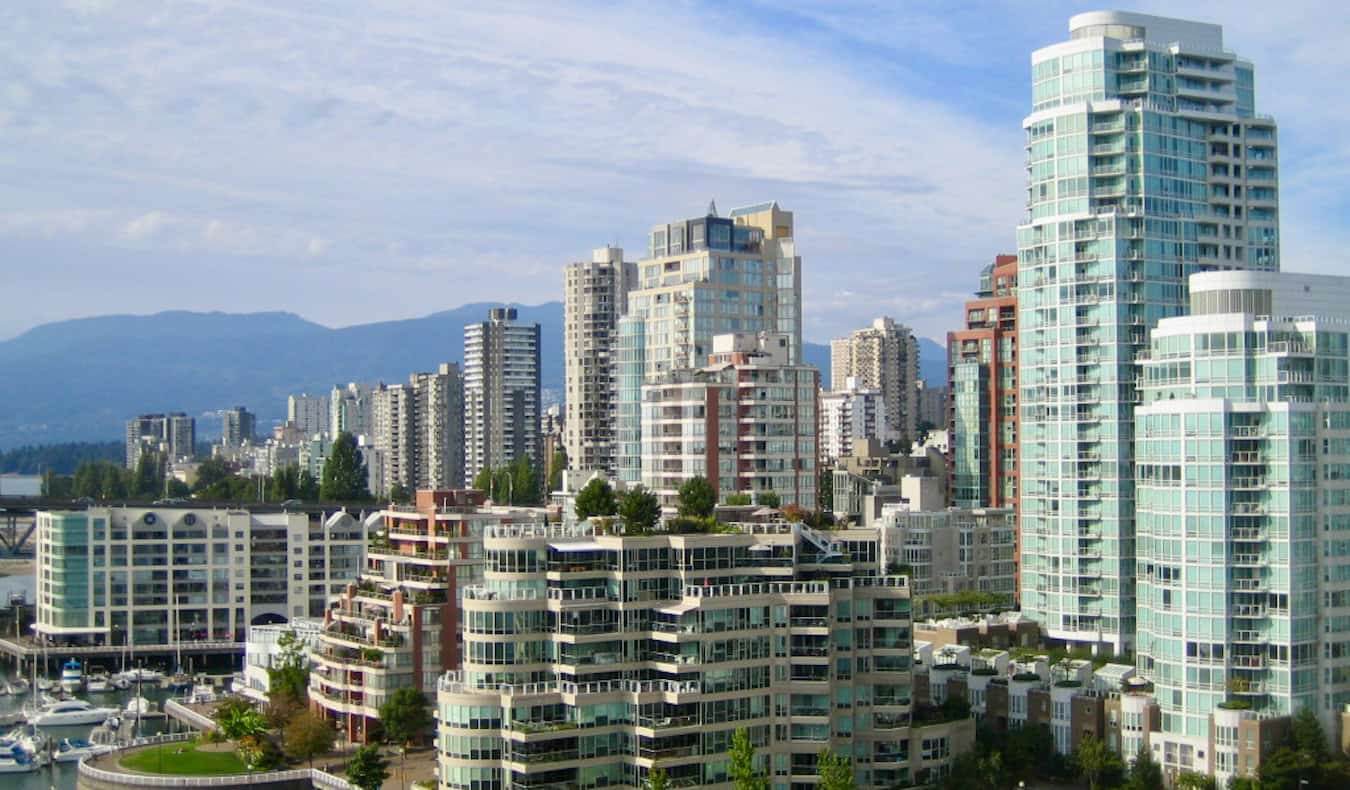
Vancouver is my favorite city in Canada. Close to both the mountains and the ocean, it’s easy to see why this city is consistently ranked as one of the most livable destinations in the world. It’s got it all.
I first visited in 2004 on a family trip and have returned a handful of times over the years, lured by the city’s amazing sushi, sprawling green space (don’t miss Stanley Park!), friends, the quality of life, and easy access to nearby hiking trails.
But, while the city is amazing and has a ton to see and do, it’s also large and spread out.There are a ton of different neighborhoods and hotels to choose from. Plus, it’s one of the most expensive cities in the country, so a lot of the hotels here are overpriced.
To help you get the best value (and have a great stay), here’s my list of the best hotels in Vancouver, based on my twenty years of visiting the city:
1. Rosedale on Robson Suite Hotel
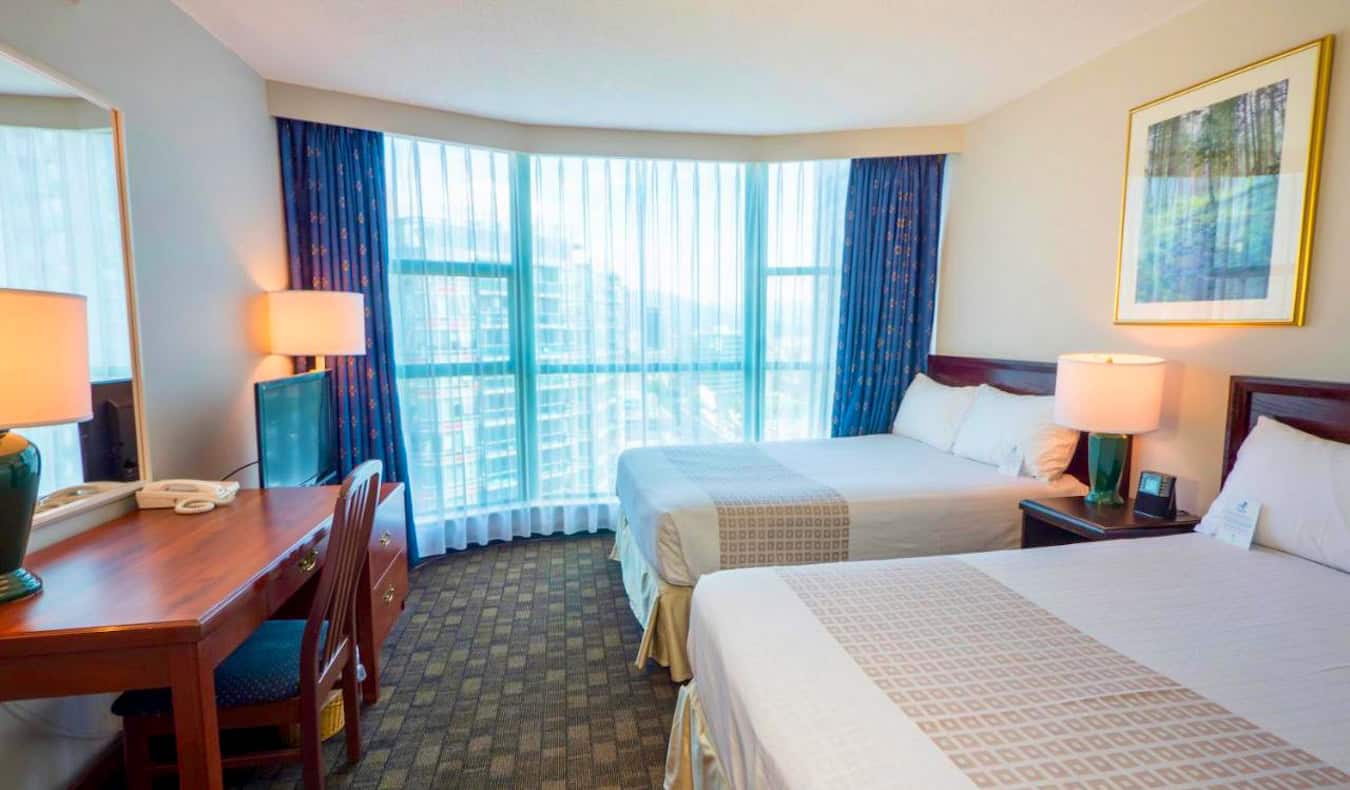
Located in upscale Yaletown, this three-star hotel is perfect for budget-minded travelers. The rooms here include kitchenettes that have microwaves, stovetops, and a fridge, allowing you to save some money by cooking (I love eating out in Vancouver, but all that sushi adds up!). The rooms aren’t very stylish (think dated carpets and bland walls), but the focus here is more on function over form.
On the plus side, there’s a continental breakfast offered each morning that includes fresh waffles (a nice money-saving perk). The rooms themselves are large too and boast lots of natural light. The beds are quite comfy and there’s a TV and desk in each room. The hotel also has an indoor pool, as well as a gym and a relaxing garden terrace. The only downside is that the free Wi-Fi is limited (one device per room). But, overall, I think it’s the best value hotel in the area and a great choice for budget travelers.
2. Coast Coal Harbour Vancouver Hotel
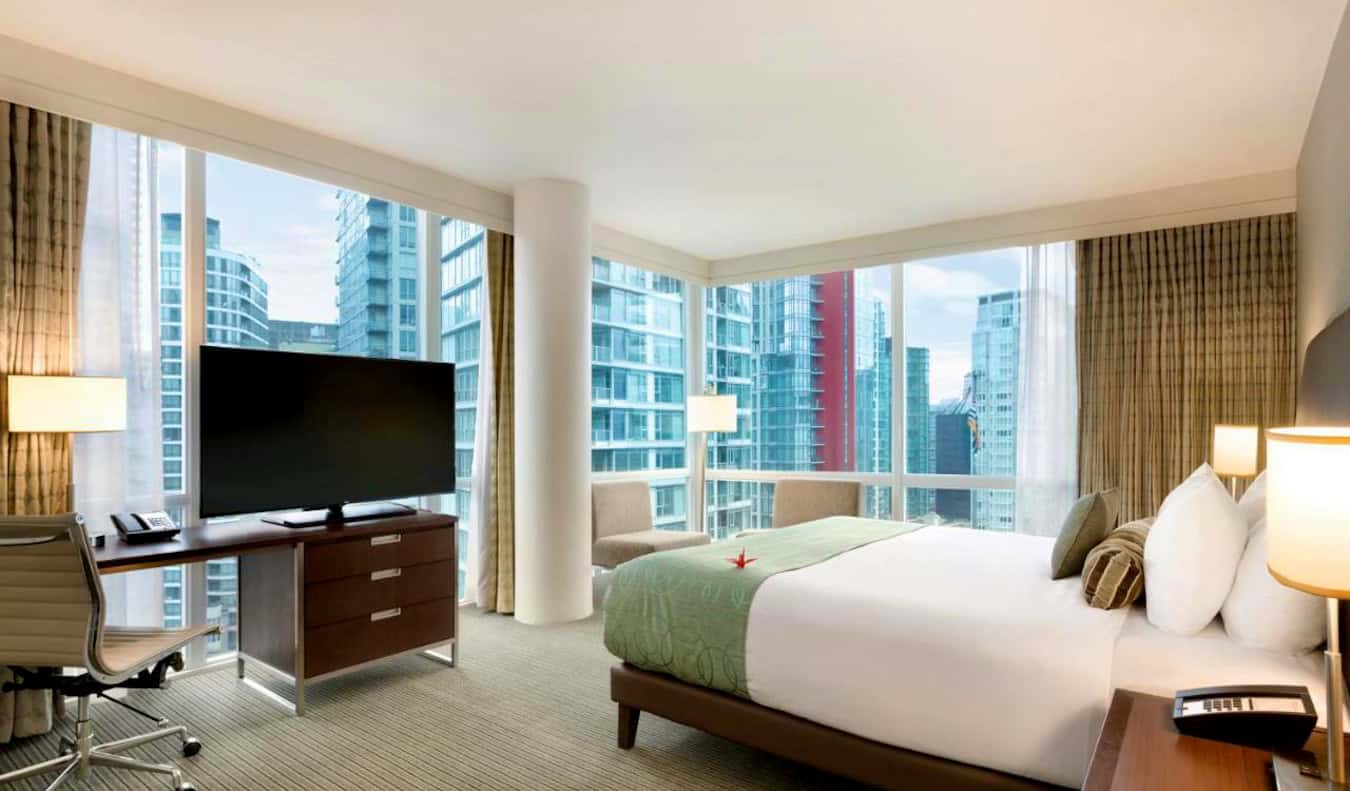
Located just two blocks from the waterfront, this four-star hotel offers incredible value for the location. There’s a heated outdoor pool for when the weather is nice, a hot tub, spa, and a fully equipped gym (something I appreciate more and more as I get older). There’s a bar and restaurant that focuses on fresh, local cuisine on-site too. What I really like here though is that you’re just a short walk to Stanley Park. It’s Vancouver’s largest park and is even bigger than Central Park in NYC!
Rooms include a large 55” flatscreen TV, coffee maker, desk, and really soft beds. The minimally designed rooms do look a bit dated (the carpets and colors aren’t very stylish in my opinion) but they’re large and airy, with lots of natural light thanks to the huge floor-to-ceiling windows. The bathrooms are bright too, and I really like that they have bidets as well as showers with decent pressure. Breakfast, while not included, has a lot of tasty a la carte options that run the gamut from healthy breakfast power bowls to hearty steak and eggs. It’s a nice upscale choice in a great location.
3. Fairmont Pacific Rim
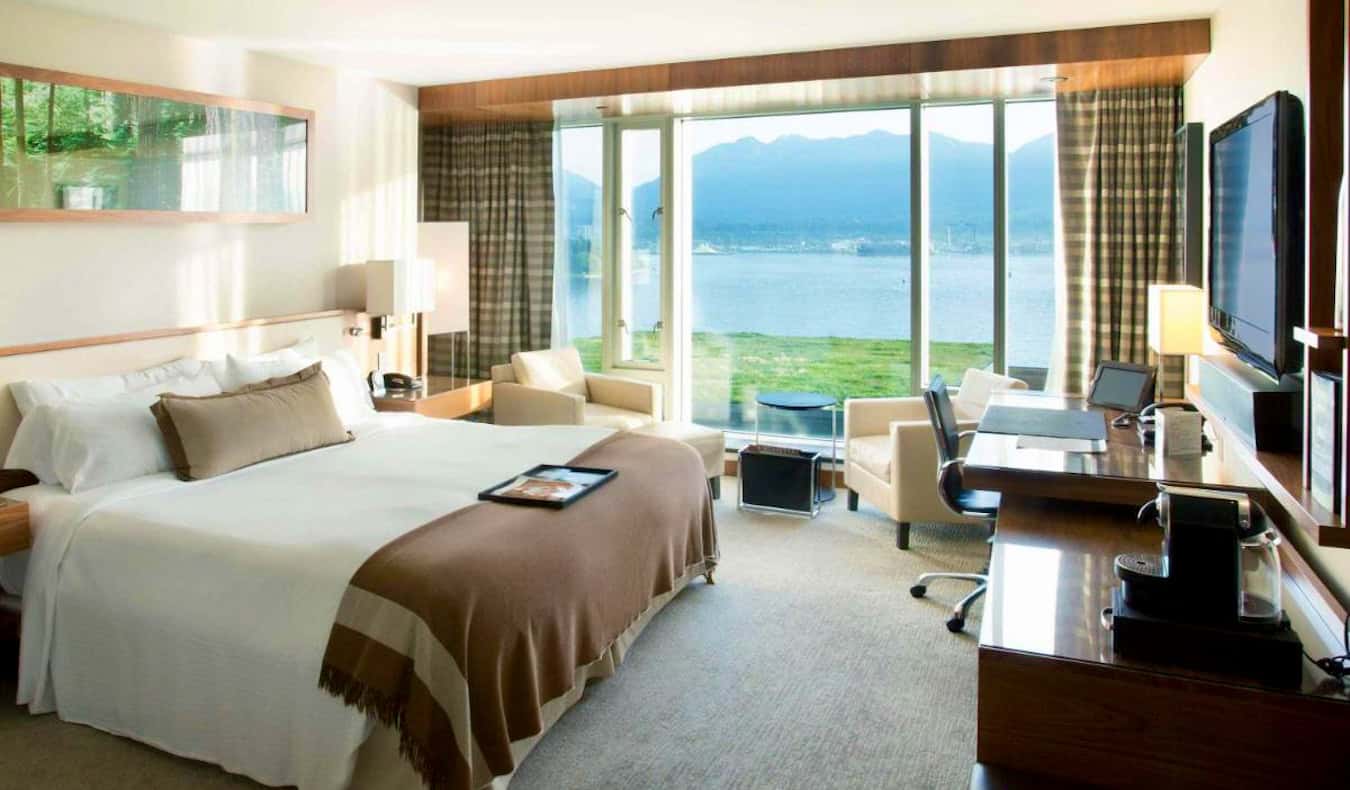
This is a gorgeous five-star hotel. Boasting a beautiful rooftop pool with stunning views, nightly live music in the lounge, a spacious fitness center, opulent spa, and an award-winning cocktail bar, this hotel has a lot to offer. They have an amazing (but pricey) breakfast too if you feel like splurging on decadent dishes like crab and avocado benedict or brioche French toast. You can rent bikes (or e-bikes) from the concierge, who can also help you arrange childcare if needed. But what I really love, and what’s super unique, is that the hotel has a private library and bookstore with floor-to-ceiling bookshelves lining the walls. It’s amazing.
As for the rooms, they’re stylish and large, with a contemporary design featuring light tones and soft wood accents. They also have big windows, a desk in case you need to work, and cushy beds with exquisite linens. The marble bathrooms are spacious and bright, and the showers have good pressure. This is the pinnacle of luxury, making it the perfect choice if you’re in need of some pampering. It’s the kind of hotel that feels like a vacation in and of itself.
4. Blue Horizon Hotel
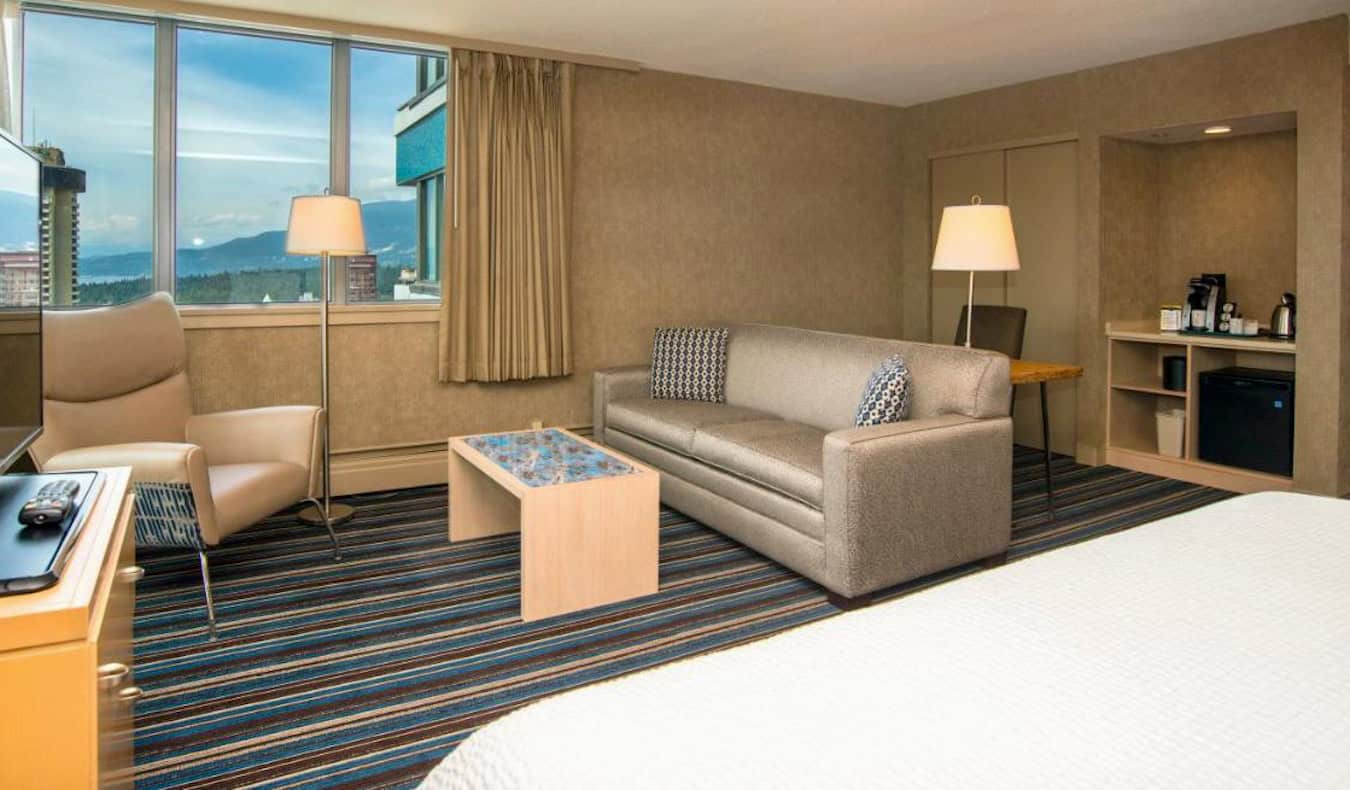
This contemporary four-star hotel offers a lot of value. There’s an indoor pool, a small gym with the basics (including weights), a sauna, and steam room. There’s also an on-site restaurant where you can get a delicious breakfast. While it’s not included, there are lots of options for all diets.
The rooms are large, with a desk, Nespresso machine, flatscreen TV with Chromecast, minifridge, safe, electric kettle, and a super comfortable bed. The bathrooms aren’t huge, but the showers have good pressure (always a big plus for me) and they include bathrobes and slippers. What I really love though is that all rooms are corner rooms with private balconies, offering incredible views over the bay, mountains, or city. Stay here if you plan on eating out a lot or doing some shopping, as you have lots of options nearby.
5. Granville Island Hotel
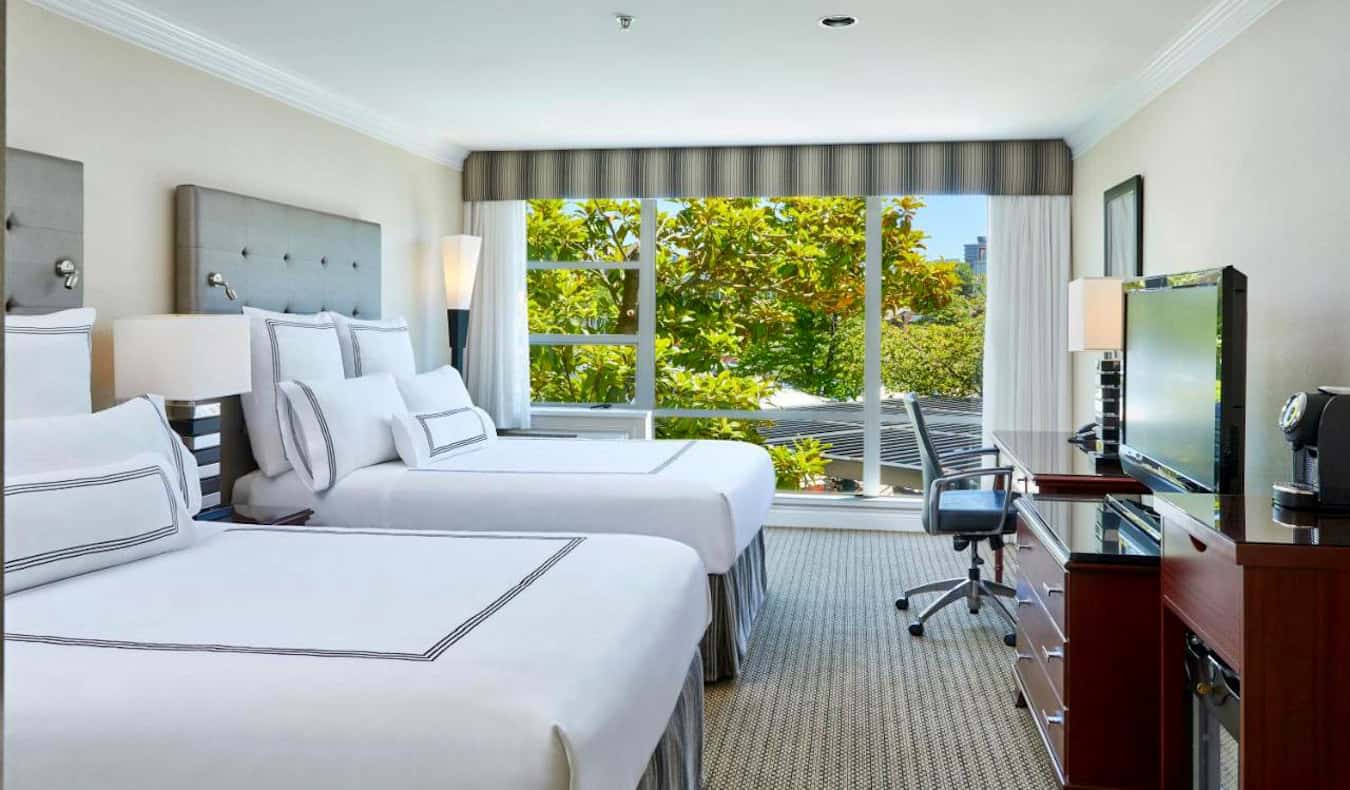
This is the only hotel on Granville Island, one of the most popular areas of the city (the massive Public Market is here). A three-star property, it has everything you need for a relaxing and affordable stay. There’s a spa, sauna, and gym, and e-bikes are available for rent if you want to explore the area (I love biking around here in the summer).
The rooms here aren’t super stylish (think grey carpets and bare walls), but they are quite sizable and invite in lots of natural light. Rooms also have large beds, desks, flatscreen TVs, coffee/tea makers, complimentary toiletries, and a stocked minibar. The bathrooms aren’t huge, but everything is modern and clean, and the showers have good pressure. The breakfast, while not included, is delicious and has lots of options (eggs, French toast, fresh fruit, etc.).
While it’s super centrally located, the hotel still feels like a nice little retreat, with great views over the marina. If you want to stay in the heart of the action, you can’t go wrong with this hotel.
Vancouver is a massive city with a ton of hotels to choose from. Whether you want a budget-friendly option or to splash out on a luxurious stay, you can’t go wrong with any of the hotels above. Just pick the one that suits your needs and you’re sure to have a great stay in my favorite Canadian city!
Book Your Trip to Vancouver: Logistical Tips and Tricks
Book Your Flight
Use Skyscanner to find a cheap flight. They are my favorite search engine because they search websites and airlines around the globe so you always know no stone is left unturned!
Book Your Accommodation
You can book your hostel with Hostelworld as they have the biggest inventory and best deals. If you want to stay somewhere other than a hostel, use Booking.com as they consistently return the cheapest rates for guesthouses and cheap hotels.
If you prefer staying in hostels, this post lists all my favorites.
And, if you’re wondering what part of town to stay in, here’s my neighborhood breakdown of Vancouver!
Don’t Forget Travel Insurance
Travel insurance will protect you against illness, injury, theft, and cancellations. It’s comprehensive protection in case anything goes wrong. I never go on a trip without it as I’ve had to use it many times in the past. My favorite companies that offer the best service and value are:
- Safety Wing (best for everyone)
- Insure My Trip (for those over 70)
- Medjet (for additional evacuation coverage)
Looking for the Best Companies to Save Money With?
Check out my resource page for the best companies to use when you travel. I list all the ones I use to save money when I’m on the road. They will save you money when you travel too.
Want More Information on Vancouver?
Be sure to visit my robust destination guide on Vancouver for even more planning tips!
The post The 5 Best Hotels in Vancouver appeared first on Nomadic Matt's Travel Site.
]]>The post The 6 Best Hotels in Toronto appeared first on Nomadic Matt's Travel Site.
]]>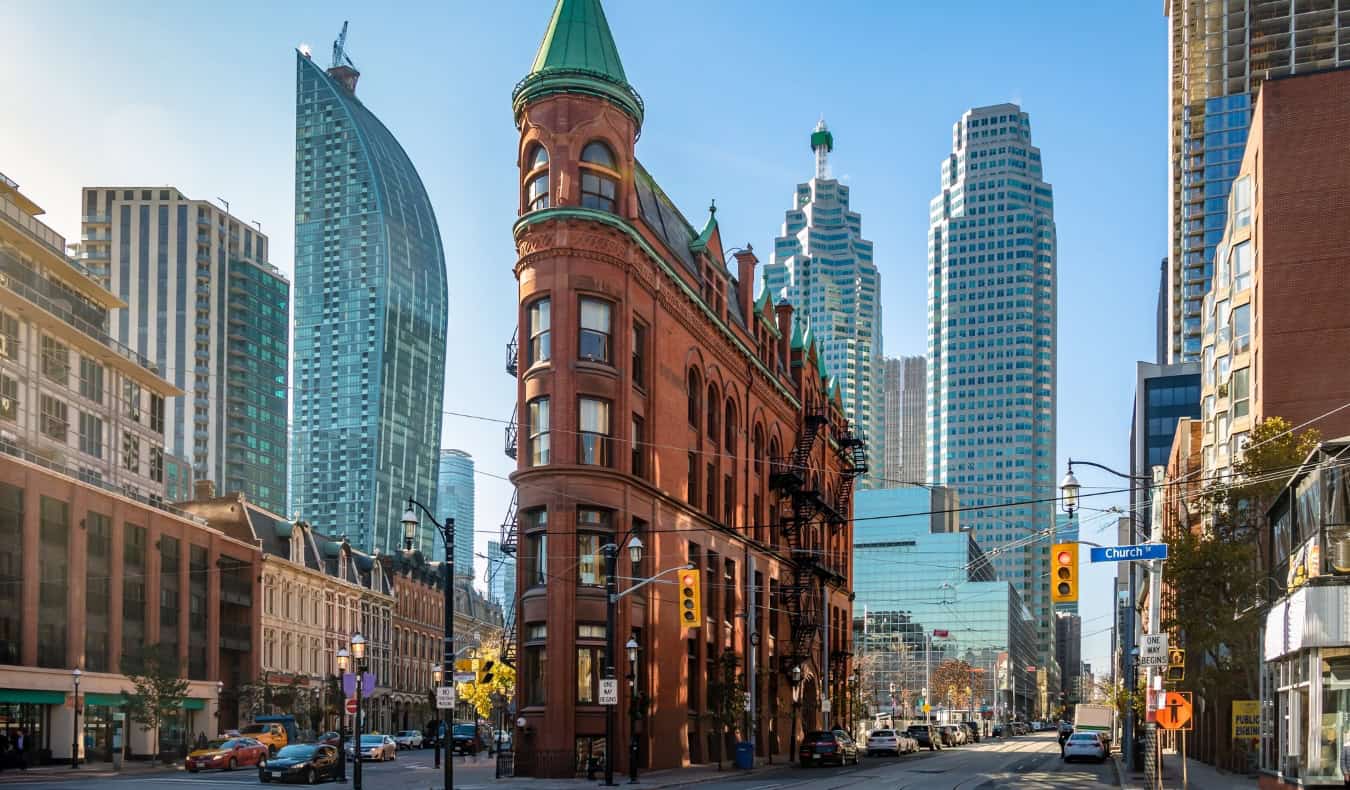
Toronto is a sprawling metropolis known for its diversity. Over half of the city’s residents were born outside of the country, making it one of the most multicultural cities in the world. There’s not just a Chinatown and Little Italy here, but also a Greektown, Koreatown, Little India, Little Poland, Little Portugal, and even Little Malta!
Toronto also boasts iconic landmarks like the CN Tower (one of the tallest free-standing structures in the world), an expansive waterfront, and an endless array of museums. There’s tons of amazing food here too. I never get bored when I visit.
I’ve been to Toronto a lot over the years (it’s a short flight from where I grew up). The city is big, spread out, and has a ton of hotels to choose from. But I know from experience that not all of them are great. So, to help you have fun, save money, and enjoy the city, here’s my list of the best hotels in Toronto:
1. Ace Hotel
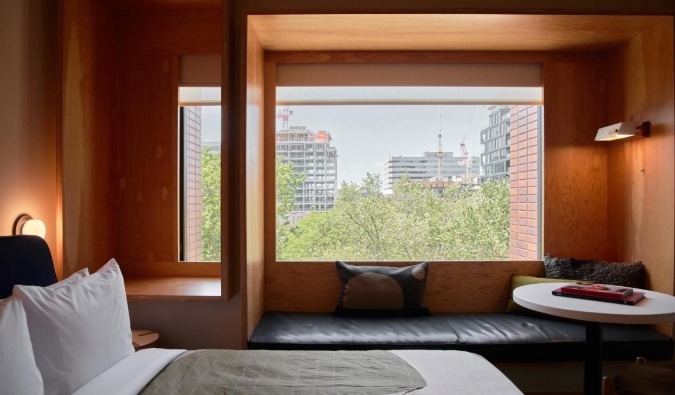
This four-star hotel is in the Garment District (which is conveniently located between Chinatown, hip Queen Street West, and Toronto’s downtown). Walking into the expansive lobby feels like you just walked onto the set of a Wes Anderson film, with its minimal retro-chic design that features lots of pastel tones and soft wood paneling. I love that the lobby is also an ultra-cool cocktail bar (literally called The Lobby) that gets lively at night with the city’s fashionable set. (In the mornings, you can get appropriately trendy breakfast foods here, like loaded avocado toast and a smoked salmon flatbread.) The hotel also boasts a rooftop bar with incredible views and regular DJ nights, as well as a fitness center.
Rooms come in small, medium, and large (there are suites too) and have a decent amount of natural light thanks to the large picture windows. I love all the uniquely Canadian touches, like in-room record players with Canadian vinyl albums curated by a Toronto record label, minibars filled with locally made products, and comfy beds adorned with custom, locally made quilts. All rooms have 55-inch TVs too, and the beautifully tiled bathrooms feature walk-in showers (some have tubs), designer toiletries, fluffy bathrobes, and hair dryers.
2. The Fairmont Royal York
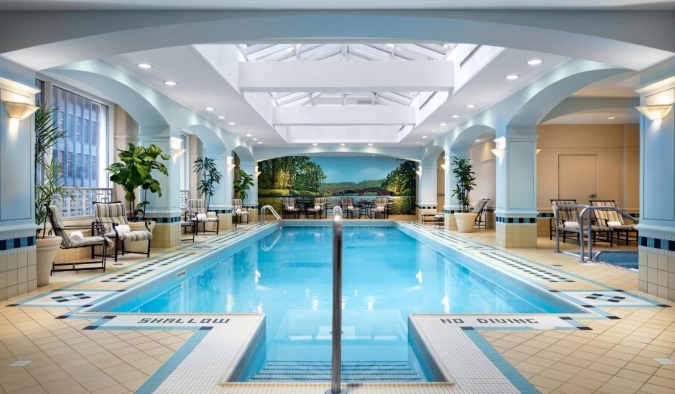
Located directly across the street from Toronto’s Union Station (the city’s main train station), the Fairmont Royal York is an iconic five-star hotel with a storied history. It opened in 1929 as a railway hotel and was always Queen Elizabeth II’s official residence when in town. The hotel has kept with the décor and style of the time, and I love all the elegant Old-World charm. I really enjoy soaking up the atmosphere over a cocktail in the moody Art Deco-style lobby. The hotel also boasts an indoor pool, hot tub, fitness center with a sauna and steam room, and a restaurant that serves a giant breakfast buffet.
The stately rooms have ample space and a good amount of natural light, as well as a minibar, desk, small table, flatscreen TV, plush bathrobes, slippers, and a tea/coffee maker. The large, tiled bathrooms have walk-in showers with excellent water pressure and complimentary toiletries. They charge for Wi-Fi (which I think is ridiculous for a hotel of this caliber), but if you sign up for a free Accor hotels account, you can access the Wi-Fi for free. Overall, the Royal York is the best choice for luxury in the heart of downtown, close to all the city’s major landmarks and attractions.
3. The Broadview Hotel
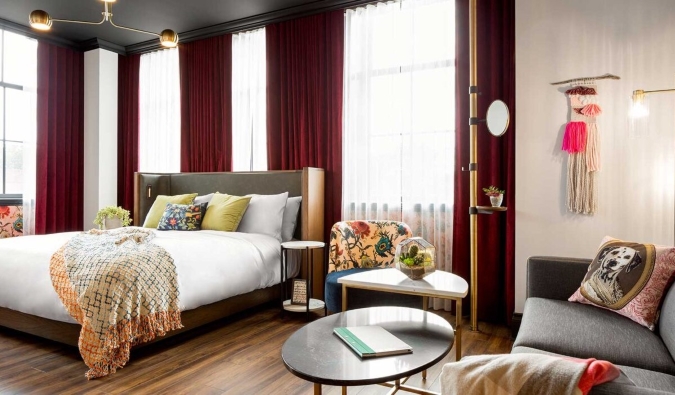
Located in hip Riverside, the historic property was originally built in 1891 and has since been restored into a beautiful, four-star boutique hotel. The rooftop bar has great views, and there’s a cute café downstairs that serves breakfast in the mornings. I particularly love the spacious rooms’ lush red draperies, high ceilings, large windows, and dark wood floors. The décor adds a bit of whimsy too, with terrarium plants, funky floral wallpaper, and even a record player in each room.
The rooms are filled with lots of light and also have a desk, flatscreen TV, minibar, a French press coffee maker, and a wardrobe. The pillowtop beds are super comfy and adorned with luxurious Italian sheets. I also appreciate the little reading lights set into the headboards (perfect for when I read at night). While the bathrooms are a bit small and lacking some features (I found that there was nowhere to hang or put things), the huge walk-in showers have great pressure and locally made toiletries.
4. Park Hyatt Toronto
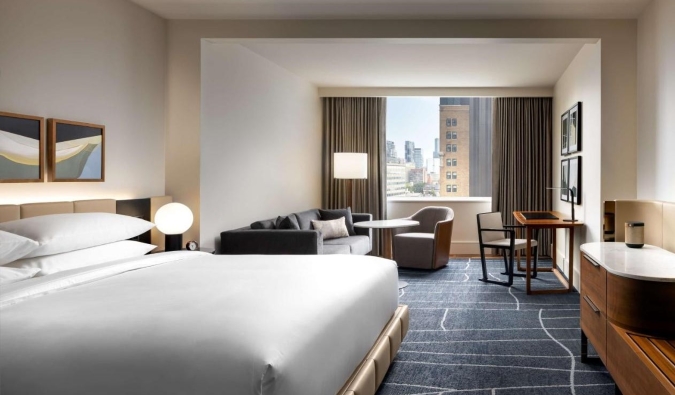
Toronto’s Park Hyatt is located in Yorkville, an upscale neighborhood known for its high-end shopping, fine dining, and luxury hotels. A five-star property, the entire hotel has a contemporary and sophisticated design, with sleek furnishings, tasteful art pieces, and a harmonious color palette. The in-house eatery is an upscale steakhouse (that serves hearty breakfast dishes like steak and eggs) and there’s a small fitness center here too.
The rooms are nice and spacious, with lots of natural light thanks to the large windows. In-room amenities include Bluetooth speakers, a 55” flatscreen HDTV, a safe, minibar, blackout curtains, and a Nespresso coffee maker. The bathrooms are large and feature walk-in rain showers and complimentary, luxurious toiletries. I generally find that Park Hyatt properties never disappoint (they’re a good place to use points so I stay in them a lot).
5. The Yorkville Royal Sonesta
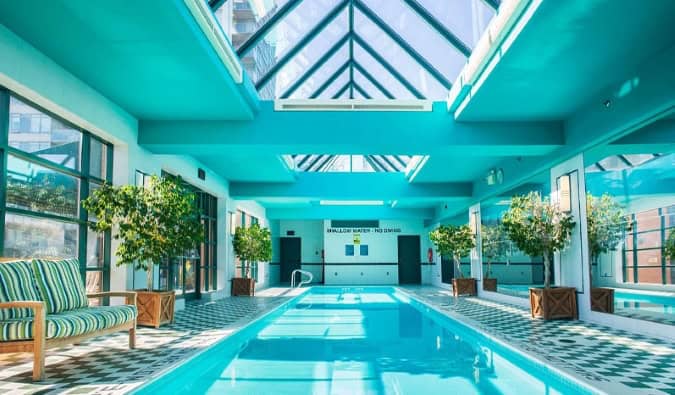
The Royal Sonesta is also in Yorkville, directly across the street from the Royal Ontario Museum (one of my favorite museums in the city). This four-star hotel boasts a heated indoor rooftop swimming pool, a massage studio, a vodka bar (featuring over 50 vodka varieties from around the world), and an in-house eatery with a menu inspired by the cultural diversity of Toronto.
I like that the rooms have a modern, minimalist design, with lots of natural light. They also feature a large desk, seating area, Nespresso machine, flatscreen TV, and minibar. The large marble bathrooms have walk-in showers (I thought the water pressure was a bit low though), plush bathrobes, and slippers. I like that there’s a 24/7 fitness center too.
6. Pantages Hotel Downtown
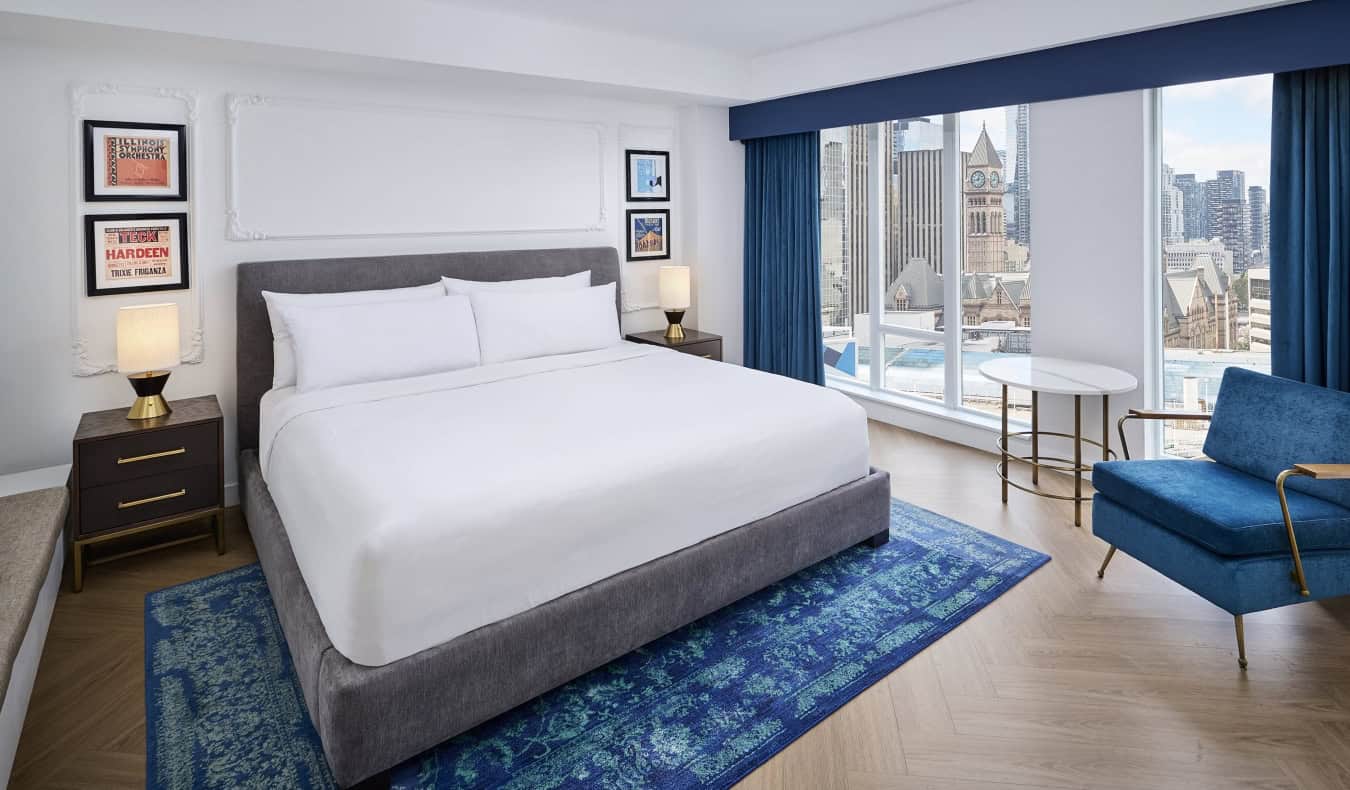
This sleek high-rise hotel is right in the center of the action in downtown Toronto. Pantages is particularly well suited for those with theater tickets, as it’s just a stone’s throw away from several historic performing arts venues. I love that you’re right next-door to the historic Fran’s diner too. It dates to the 1940s and is open 24 hours, serving up classic diner fare (including excellent breakfast plates).
The rooms are incredibly spacious and bright, with floor-to-ceiling windows and beautiful hardwood floors. I really like the design of the rooms, with their lush royal blue draperies, plush area rugs, and unique artwork on the walls. Rooms also feature a large desk, Keurig coffee maker, a safe, and a flatscreen TV (deluxe rooms or suites include a little kitchenette). I found the beds nice and comfy, with cozy comforters and high-thread-count sheets. The huge marble bathrooms were recently updated and are really nice, with walk-in rain showers and luxury bath products.
Canada’s largest city is bursting with unique neighborhoods filled with interesting things to see, do, and eat (I love eating my way around the city). There are a lot of hotels to choose from here, but pick one of the list above and you’ll be sure to have a fun time in Toronto!
Book Your Trip to Toronto: Logistical Tips and Tricks
Book Your Flight
Use Skyscanner to find a cheap flight. They are my favorite search engine because they search websites and airlines around the globe so you always know no stone is left unturned!
Book Your Accommodation
You can book your hostel with Hostelworld as they have the biggest inventory and best deals. If you want to stay somewhere other than a hostel, use Booking.com as they consistently return the cheapest rates for guesthouses and cheap hotels.
For what part of town to stay in, here’s my neighborhood breakdown of Toronto!
Don’t Forget Travel Insurance
Travel insurance will protect you against illness, injury, theft, and cancellations. It’s comprehensive protection in case anything goes wrong. I never go on a trip without it as I’ve had to use it many times in the past. My favorite companies that offer the best service and value are:
- Safety Wing (best for everyone)
- Insure My Trip (for those over 70)
- Medjet (for additional evacuation coverage)
Need a Rental Car?
Discover Cars is a budget-friendly international car rental website. No matter where you’re headed, they’ll be able to find the best — and cheapest — rental for your trip!
Looking for the Best Companies to Save Money With?
Check out my resource page for the best companies to use when you travel. I list all the ones I use to save money when I’m on the road. They will save you money when you travel too.
Want More Information on Toronto?
Be sure to visit my robust destination guide on Toronto for even more planning tips!
The post The 6 Best Hotels in Toronto appeared first on Nomadic Matt's Travel Site.
]]>The post Where to Stay in Quebec City: The Best Neighborhoods for Your Visit appeared first on Nomadic Matt's Travel Site.
]]>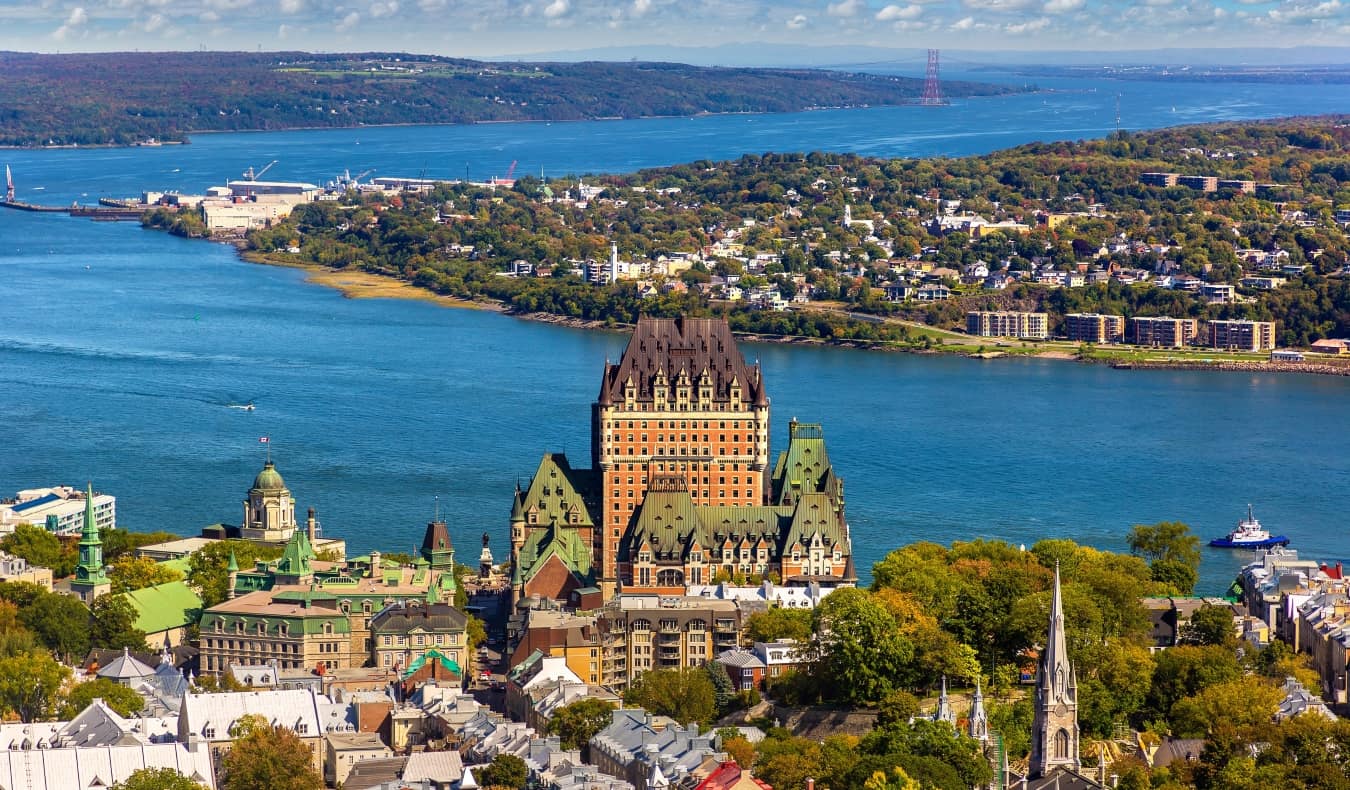
Quebec City is one of the most beautiful cities in Canada. Often overlooked in favor of bigger and more internationally well-known destinations like Toronto, Montreal, and Vancouver, this is where European explorers (including Jacques Cartier and Samuel de Champlain) first arrived in the 16th and 17th centuries.
Today, Quebec City is most famous for its well-preserved European Old Town. It also has a blossoming reputation for fun festivals, especially in the winter. There are plenty of things to do too, as the city is home to insightful museums, an ever-growing number of microbreweries, and a surprisingly fantastic foodie scene.
To help you decide where to stay in Quebec City, I’ll highlight the best neighborhoods below so you can choose the area that suits your travel style and budget, as they all have their own feel.
Where to Stay in Quebec City for First-Time Visitors: Old Quebec (Vieux-Québec)
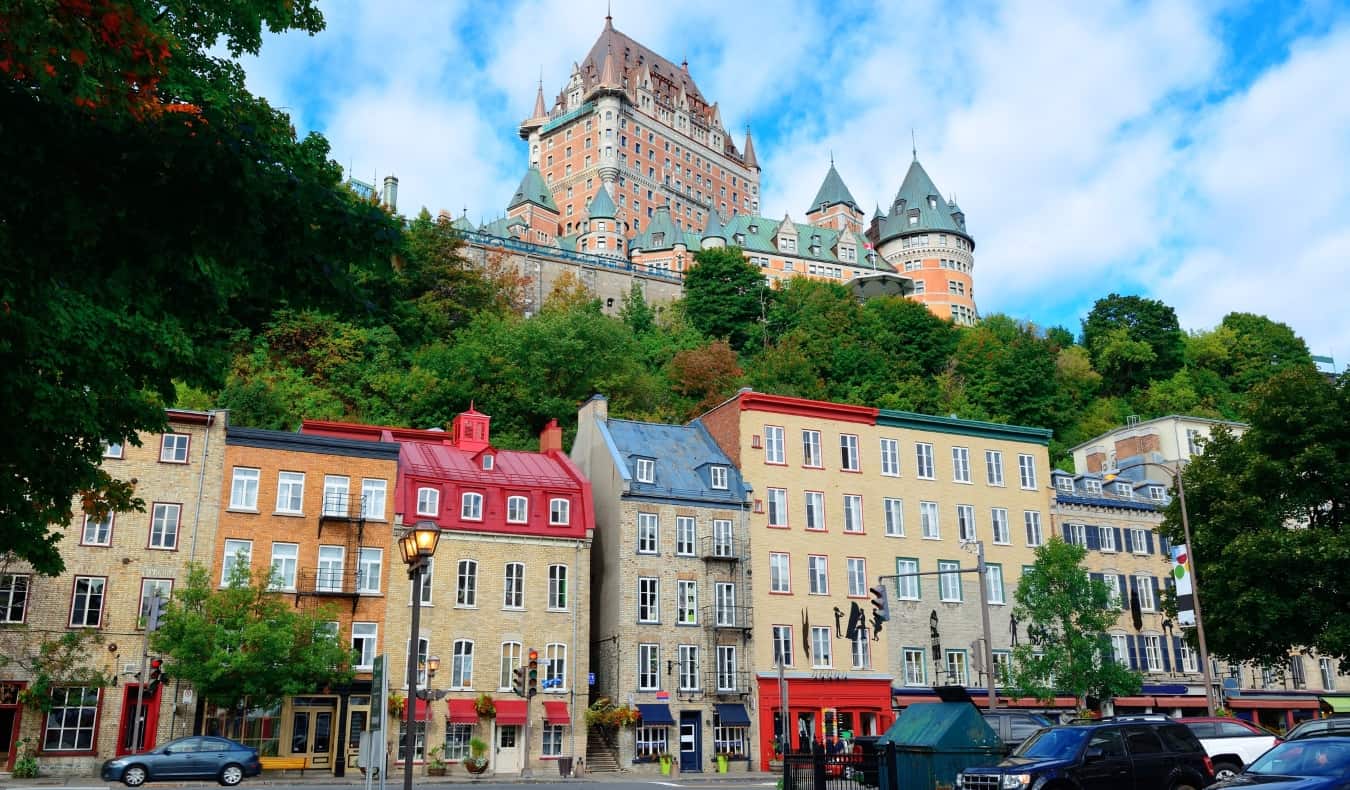
The only remaining fortified city north of Mexico and a UNESCO World Heritage Site, Vieux-Québec is surrounded on three sides by stone fortification walls and their accompanying cannons. With its historic stone buildings, cobblestone streets, and literal castle (that you can stay in if you want to splash out; see below) looming large over it all, Old Quebec is the closest you’ll get to historic European charm on this side of the Atlantic.
You’re also just steps away from all of the city’s main attractions too, including the Victorian library, Dufferin Terrace, Notre-Dame de Québec Basilica (the oldest church in North America), the 19th-century funicular, the Museum of Civilization, and the Vieux Port. It’s the best place to stay if you want the greatest variety of accommodations, as most hotels are located here.
Best places to stay in Old Quebec:
BUDGET: HI Québec-Auberge Internationale de Québec – This is the best hostel in town. With a superb location in Vieux-Québec, this large hostel (the largest HI location in Canada) has a super friendly atmosphere, several common rooms, a café, and a communal kitchen. The dorms are spacious and the bunks, which are either metal or wooden, all have their own outlets (no privacy curtains or individual reading lights, though).
MIDRANGE: Hotel AtypiQ – This hotel offers excellent value for the location with its unique concept of offering small rooms that are just big enough to accommodate the bed that folds down from the wall. With common areas and a nice outdoor terrace for meeting people, it’s great for solo travelers who want a mix of privacy and socialization.
LUXURY: Fairmont Le Château Frontenac – An icon of the city, this historic hotel is the place to stay for a luxurious Québécois experience. Opened in 1893, the Château is such an important landmark of the city that you can take guided tours of the hotel even if you’re not staying here. The rooms are spacious and many have views over the Old Town. In-room amenities include a rainfall shower, desk, and coffee maker. The award-winning Château also boasts several gourmet restaurants and bars as well as an indoor pool, a hot tub, a spa, steam rooms, and a fitness room.
Where to Stay in Quebec City for Foodies: Saint-Roch
Formerly a working-class neighborhood, Saint-Roch has become the city’s trendiest area and the center of the tech scene. With fewer hotels and attractions, it has a more local feel compared to the other neighborhoods mentioned here (it’s usually where residents retreat to from the bustling Old Town during tourist season).
Saint-Roch is full of ultra-cool and award-winning restaurants, chic cafés, coffee roasters, microbreweries, speakeasy cocktail bars, and French bistros. During your breaks between meals, step into one of the many vintage boutiques, relax in the Jean-Paul L’Allier garden, or visit Église Saint-Roch, the largest church in town.
Best places to stay in Saint-Roch:
BUDGET: Auberge Jeunesse La Belle Planete Backpackers Hostel – A classic no-frills backpacker hostel, La Belle Planete has dorms with basic metal bunks (no personal curtains, outlets, or reading lights) and private rooms with shared bathrooms. There’s free Wi-Fi, a communal kitchen, and common areas, though overall, the facilities are a bit tired. But it’s the cheapest place to stay in the neighborhood.
MIDRANGE: Hôtel du Jardin – Par Les Lofts – This hotel is comprised of spacious loft apartments, making it a great choice for anyone looking for a bit more space than your standard hotel room. There are even apartments with five beds that fit up to eight people, so it’s great for groups too. With contactless check-in and passcode entry, it’s akin to staying at an Airbnb in a lot of ways. The lofts feature a minimalist design and have rain showers (with excellent pressure), desks, soft beds, coffee makers, and flat-screen TVs.
LUXURY: Hôtel Québec Best Western PLUS Centre-Ville – This four-star hotel features a crisp, contemporary design and amenities such as an indoor pool, fitness center, and on-site restaurant serving breakfast. Rooms are simple yet elegantly decorated, with a memory foam mattress, coffee maker, flat-screen TV, and desk. It’s pet-friendly too (though there’s a nonrefundable pet fee).
Where to Stay in Quebec City for Nightlife: Saint-Jean-Baptiste
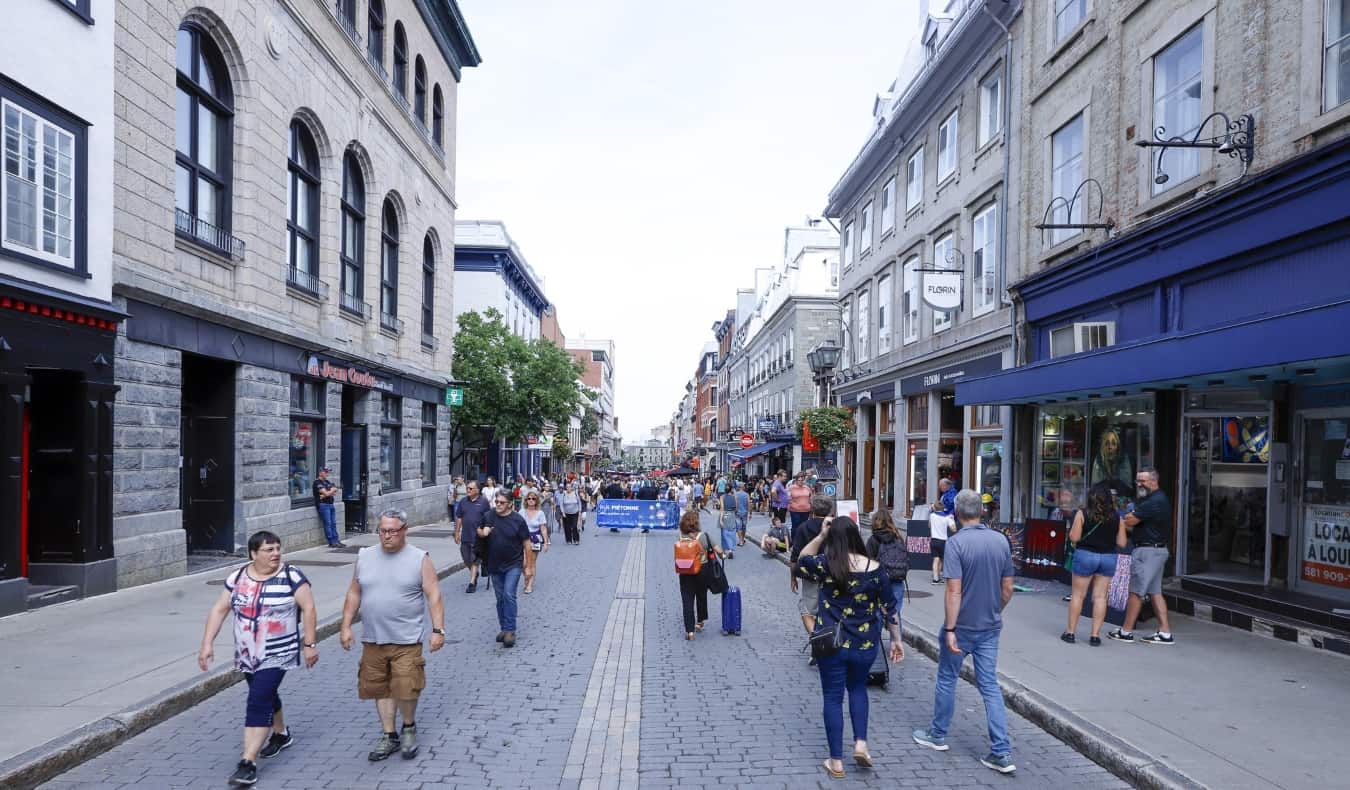
Centered around rue Saint-Jean (a section of which becomes a pedestrian-only zone in the summer), the bohemian Saint-Jean-Baptiste district is home to all manner of nightlife choices, no matter your preferred style. There’s a plethora of bars, microbreweries, and live music venues, plus all the best nightclubs in town here, in particular Le Drague Cabaret Club, a gay dance club, and Le Dagobert, the biggest nightclub in the province, featuring multiple floors with different styles of music on each.
The area, known for its colorful houses lining the steep streets, has plenty of bistros serving Quebecois cuisine, bakeries, and gourmet grocery stores.
Best places to stay in Saint-Jean-Baptiste:
BUDGET: QBEDS Hostel – Located in a beautifully restored 19th-century home, this cozy hostel is chock full of amenities, including an awesome hammock room, movie theater, library, gym, kitchen, and bar. The bunks are a bit basic, but all have privacy curtains, outlets, a reading lamp, and a locker. It’s a party hostel on the weekends, as the bar turns into a club.
MIDRANGE: Chateau des Tourelles – This cute inn is situated right on rue Saint-Jean yet is just a 10-minute walk from the Old Town. The rooms all have flat-screen TVs and a desk and are simply but tastefully decorated, with tons of natural light, hardwood floors, and exposed brick walls. The beds are super comfy and some suites have a private terrace and jacuzzi. There’s also a common rooftop terrace that you can hang out on for panoramic views over the city.
LUXURY: Auberge J.A Moisan – Travel back to Victorian-era Quebec in this charming four-star bed-and-breakfast that’s decorated similarly to when it was first built in the mid-19th century. Enjoy the fantastic breakfast spread in the Victorian parlor, hang out on the outdoor terrace, or prepare your own meal in the guest kitchen. Rooms are on the smaller side but have super comfy beds and many have claw-foot tubs.
One of the most beautiful destinations in the country, Quebec City makes for a charming weekend getaway. Feast on traditional Quebecois cuisine, marvel at the European architecture, wander the pedestrianized cobblestone streets, and really soak up all the history that’s left its mark here over the centuries. By choosing one of the neighborhoods above, you’ll be able to enjoy the best accommodation the city has to offer while making the most of your stay.
Book Your Trip to Quebec City: Logistical Tips and Tricks
Book Your Flight
Use Skyscanner to find a cheap flight. They are my favorite search engine because they search websites and airlines around the globe so you always know no stone is left unturned.
Book Your Accommodation
You can book your hostel with Hostelworld as they have the biggest inventory and best deals. If you want to stay somewhere other than a hostel, use Booking.com as they consistently return the cheapest rates for guesthouses and cheap hotels.
Don’t Forget Travel Insurance
Travel insurance will protect you against illness, injury, theft, and cancellations. It’s comprehensive protection in case anything goes wrong. I never go on a trip without it as I’ve had to use it many times in the past. My favorite companies that offer the best service and value are:
- Safety Wing (best for everyone)
- Insure My Trip (for those over 70)
- Medjet (for additional evacuation coverage)
Looking for the Best Companies to Save Money With?
Check out my resource page for the best companies to use when you travel. I list all the ones I use to save money when I’m on the road. They will save you money when you travel too.
Want More Information on Quebec City?
Be sure to visit my robust destination guide on Quebec City for even more planning tips!
The post Where to Stay in Quebec City: The Best Neighborhoods for Your Visit appeared first on Nomadic Matt's Travel Site.
]]>The post Where to Stay in Vancouver: The Best Neighborhoods for Your Visit appeared first on Nomadic Matt's Travel Site.
]]>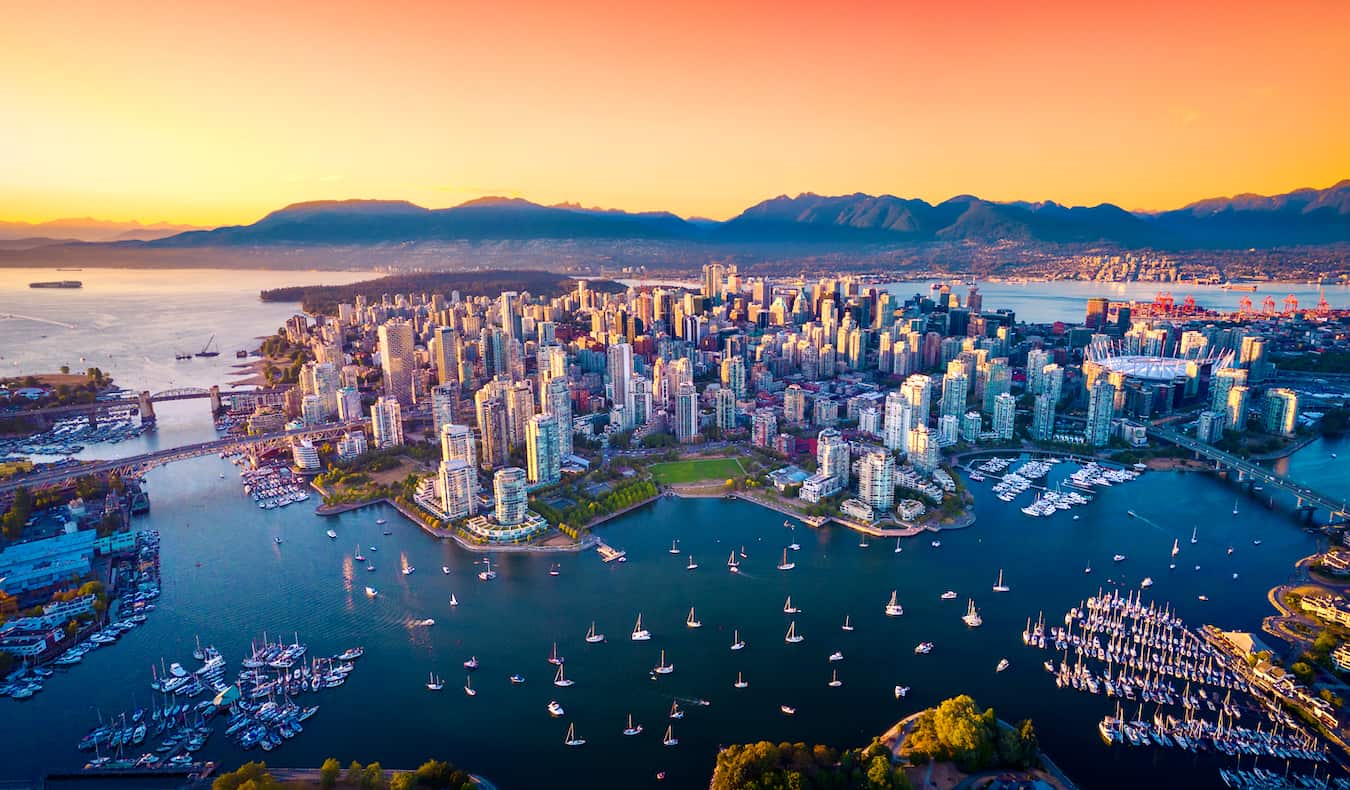
Vancouver is my favorite city in Canada. (It’s also one of my favorite cities in the world. I love it.)
Spend a few days here, and you’ll see why it’s consistently ranked as one of the most livable cities in the world.
Vancouver is the third largest in Canada. As a traveler, there aren’t a ton of areas you are going to stay in as you’ll want to be fairly centrally located but Vancouver is still big enough that you can spend a lot of time commuting if you aren’t careful.
To help you figure out where to stay in Vancouver, I’ve created this detailed list. It includes a brief description of each area, why I like it, and my favorite accommodations in that neighborhood so you know exactly what to expect.
Here’s everything you need to know about where to stay in Vancouver:
Where to Stay in Vancouver for First-Time Visitors: Yaletown
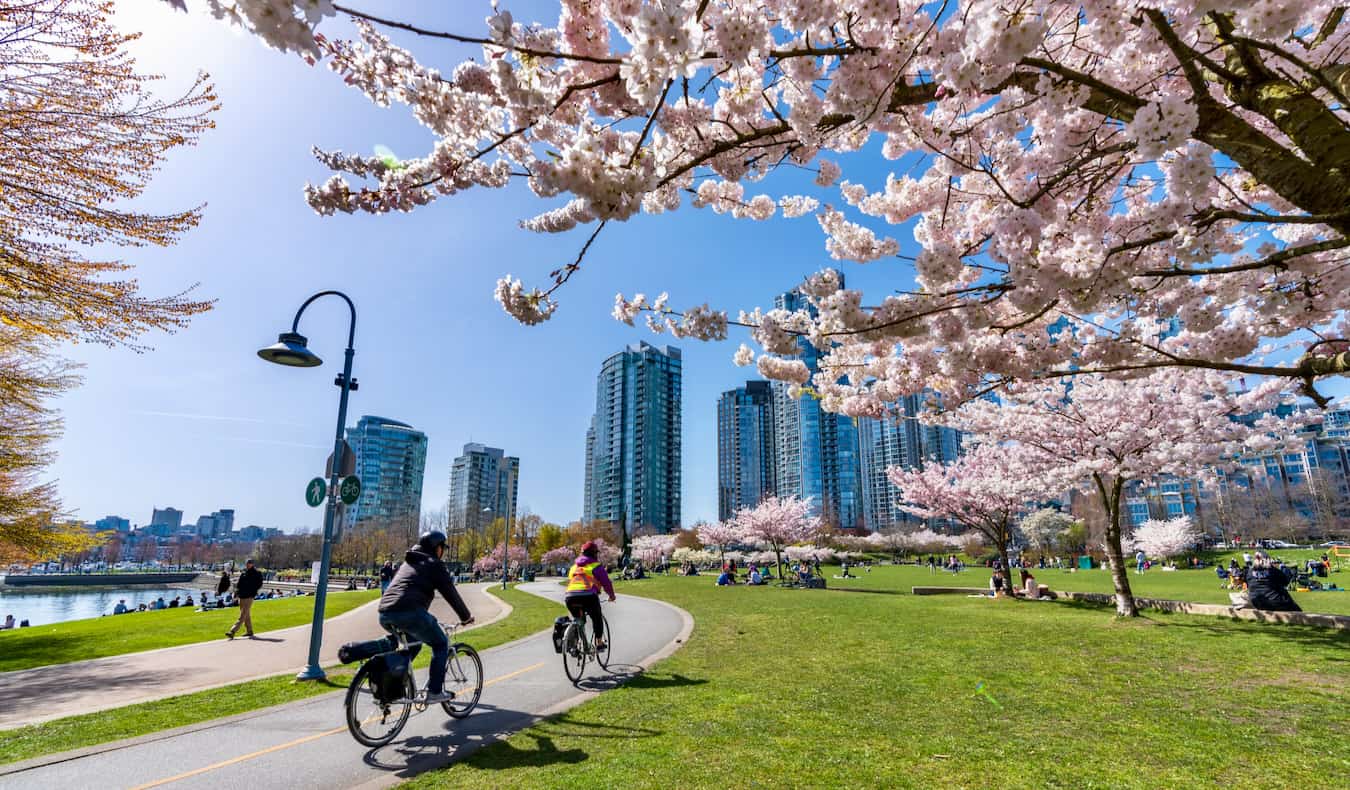
This upscale neighborhood just south of downtown is perfect for families, couples, and first-time visitors. There are half a dozen parks to enjoy when the weather is nice and you’re right along the water, which means views of nearby Granville Island. It’s also one of the trendier neighborhoods, with lots of chic shops, cocktail bars, healthy restaurants, and likely the odd celebrity if you look carefully. There aren’t many hotels here so it has a more residential feel than other parts of the city. The major soccer, hockey, and football arenas are all here too.
Best places to stay in Yaletown:
MIDRANGE: Rosedale on Robson Suite Hotel – This three-star hotel features rooms with kitchenettes that have microwaves, stovetops, and a fridge. There’s also a continental breakfast with fresh waffles. The rooms, while dated, are large, have good light, and have comfortable beds. There’s a TV and desk in each room too and the hotel has an indoor pool. I think it’s the best value hotel in the area.
LUXURY: OPUS Vancouver – This upscale, five-star hotel has large, contemporary rooms painted in bright, vivid colors that feature Nespresso machines, super comfy beds, desks, and flatscreen TVs. The bathrooms are large, with heated floors, decent shower pressure, and plush bathrobes. There’s a stylish cocktail bar downstairs as well as a fitness center too.
Where to Stay in Vancouver for Foodies: Gastown & Chinatown
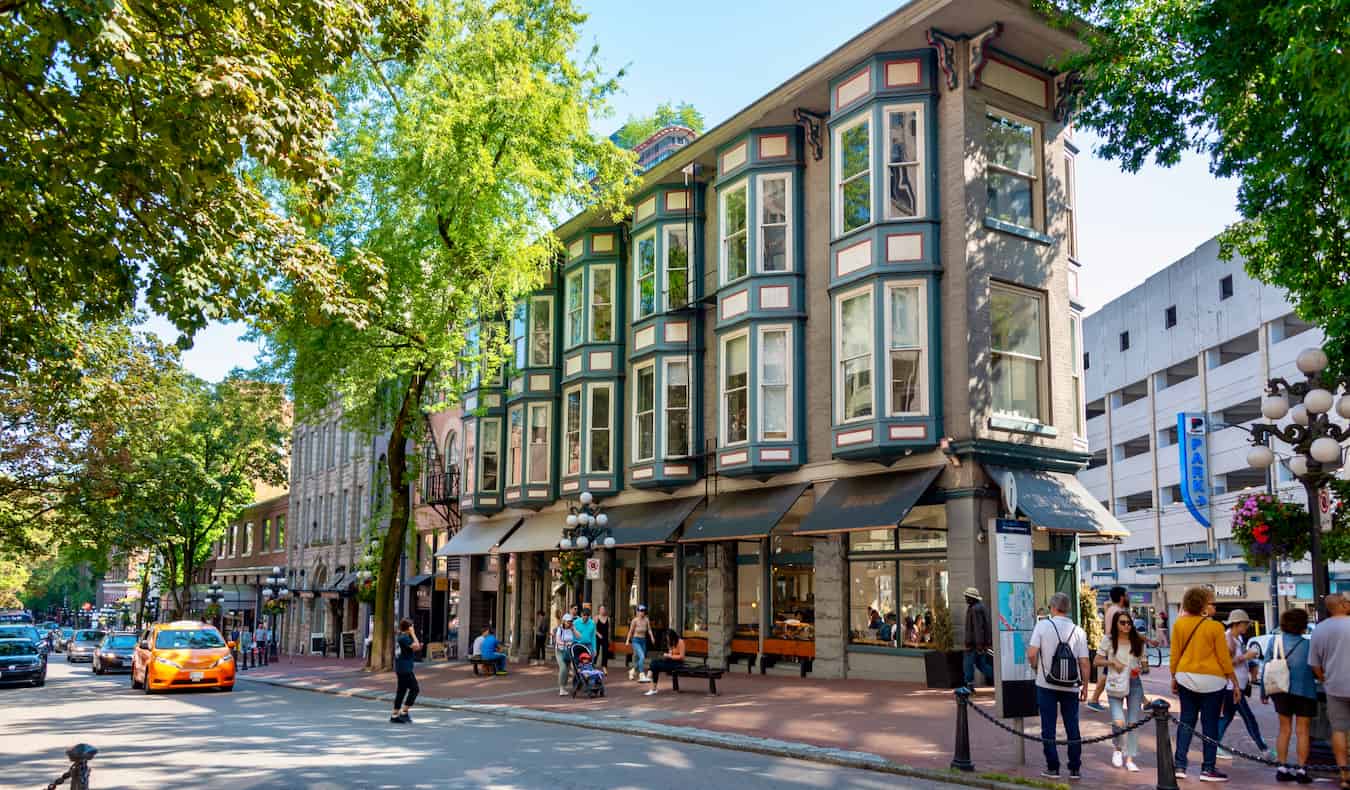
Gastown is one of the most iconic areas of Vancouver. With its Victorian-era buildings and cobblestone streets, it’s one of the most photographed areas of town. It’s also one of the oldest. There are loads of bars here too, so it’s a good choice if you want to experience the city’s nightlife.
Since Gastown isn’t huge, it often gets lumped together with Chinatown, which is just to the south. This buzzing district is the biggest Chinatown in the country, owing to the fact that immigrants from Asia historically arrived in Vancouver. Don’t miss the Dr. Sun Yat-Sen Classical Chinese Garden while you’re here. It’s gorgeous!
Best places to stay in Gastown & Chinatown:
BUDGET: Cambie Hostel – Gastown – Housed in a building dating back to the late 1800s, this party hostel has a super lively bar that draws in crowds of locals. It can get incredibly loud (bring earplugs!), but that makes it super easy to meet people. The dorm beds are comfy, though they don’t have curtains or outlets, and there are lockers for storage. The breakfast, while not included, is excellent (you can get eggs, bacon, hash browns and veg options).
MIDRANGE: Skwachàys Lodge – This three-star boutique hotel features gorgeous Indigenous art throughout the property (there’s even a gallery in the lobby too). The rooms are spacious and colorful, with unique art and decorations. Each room has a kitchenette (in case you want to cook) as well as a desk and a very comfortable bed. The included breakfast is delicious and has lots of variety.
Where to Stay in Vancouver for Luxury: Coal Harbour
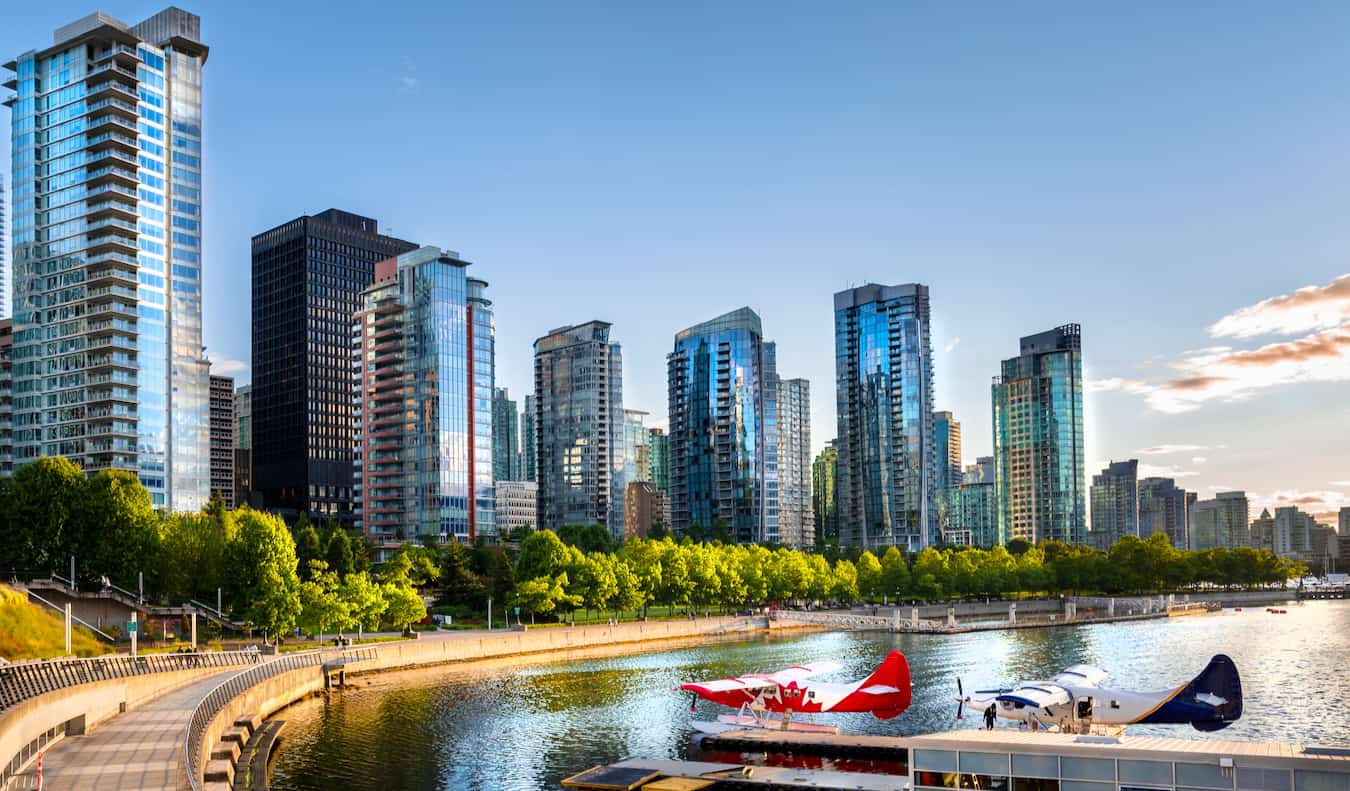
Located between Gastown and the West End, this waterfront district is one of the more upscale parts of town (there’s no budget accommodation here). There are lots of luxury apartments and, during the day, it’s pretty laid-back. It’s right near the massive Stanley Park too, where you’ll find beaches, a seawall path, forest paths, the aquarium, and much more. There’s also a nice trail along the waterfront (the Seawall Water Walk) where you can go for a stroll to take in the views. If you’re heading out on a cruise from Vancouver, this is the best area to stay in since you’re close to the harbor.
Best places to stay in the Coal Harbour:
MIDRANGE: Coast Coal Harbour Vancouver Hotel – Located just two blocks from the waterfront, this four-star hotel offers an incredible value for the location. Rooms include large flatscreen TVs, a desk, and soft, comfortable beds. The rooms feel a bit dated but are large and airy, with a minimalist design. The bathrooms are bright and have bidets as well as showers with decent pressure. Breakfast, while not included, has a lot of tasty options. There’s a rooftop pool and a fully equipped gym if you want to work out too.
LUXURY: Fairmont Pacific Rim – This gorgeous five-star hotel has a beautiful rooftop pool and hot tub offering stunning views overlooking the city and waterfront. The rooms are stylish and large, with big windows, a desk in case you need to work, and cushy beds. The marble bathrooms are spacious and bright, and the showers have good pressure. There’s a full spa on-site, a café where you can get breakfast, and a bar that hosts nightly live music. This is the place to stay if you’re looking for luxury in an excellent location.
Where to Stay in Vancouver for Families: West End
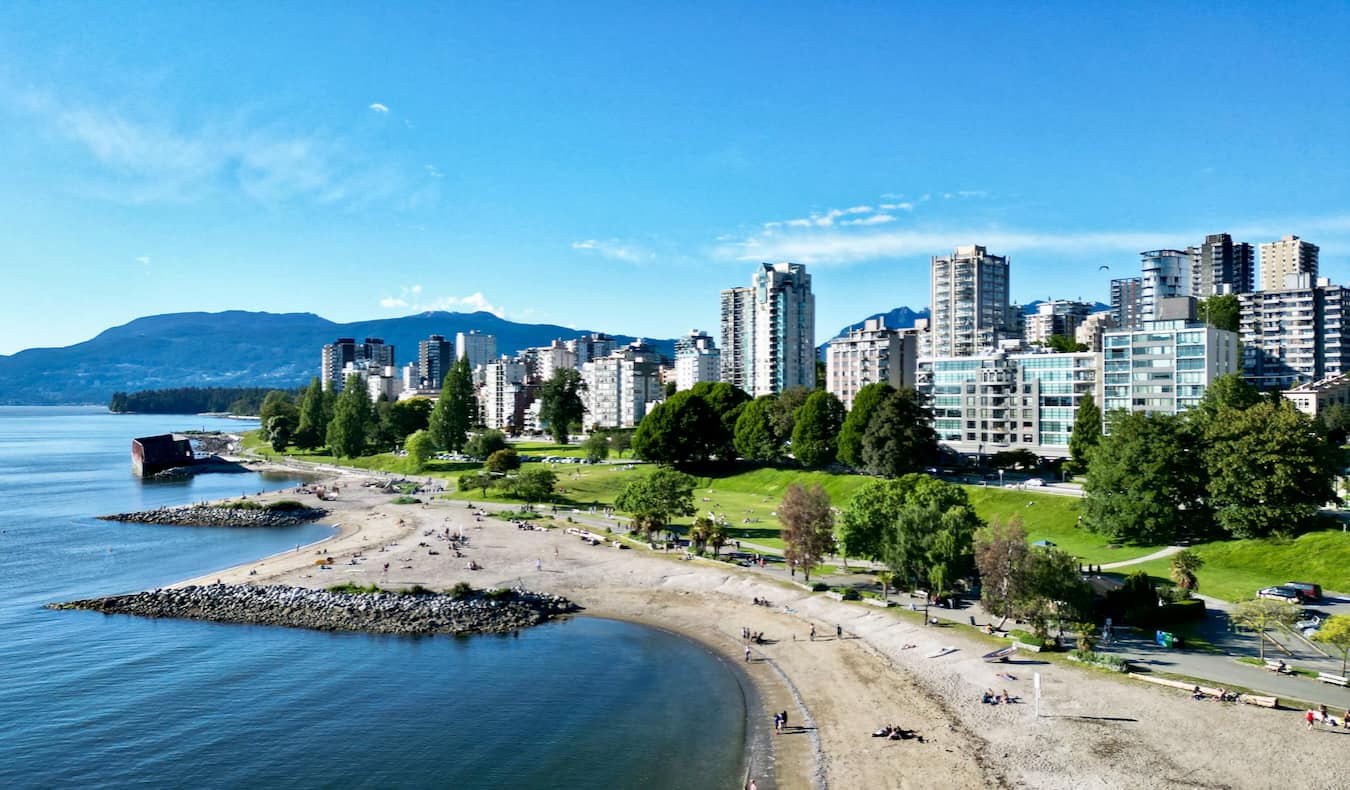
Also bordering Stanley Park, the West End is a mostly quiet district away from the hustle and bustle, which is confined to its main commercial streets. It’s where you’ll find some of the best beaches (specifically English Bay and Sunset Beach) and the best place in town to get outdoors. If you want to cycle and explore or go kayaking or stand-up paddleboarding, this is the place. It’s probably the best area to stay in if you’re visiting in the summer.
Best places to stay in the West End:
BUDGET: HI Vancouver Downtown – Tucked into a quieter part of the West End, this hostel was completely renovated in 2023 so everything still looks and feels new. The dorm beds don’t have curtains, but the mattresses are thick and incredibly comfy. There’s also a relaxing rooftop terrace with views over the city, a game room with pool, a library, a co-working space, a fully equipped kitchen, and a TV room. It’s not a super lively hostel, but it’s still pretty easy to meet people.
MIDRANGE: Blue Horizon Hotel – This contemporary four-star hotel offers a lot of value. There’s an indoor pool, gym, sauna, steam room, and an on-site restaurant where you can get breakfast. The rooms are large, with desks, coffee/tea makers, and flatscreen TVs, and the beds are super comfortable. The bathrooms aren’t huge, but the showers have good pressure (a big plus for me).
LUXURY: Shangri-La Vancouver – This luxe five-star hotel features large, bright rooms with huge beds, floor-to-ceiling windows, a Nespresso machine, a desk, and spacious bathrooms with great showers and plush bathrobes. The lobby is massive and elegant; there’s also an outdoor pool, a spa, and a gym where you can take private yoga and Pilates lessons. This is one of the most luxurious hotels in the city. If you want opulence, stay here!
Where to Stay in Vancouver for Sightseeing: Granville Island
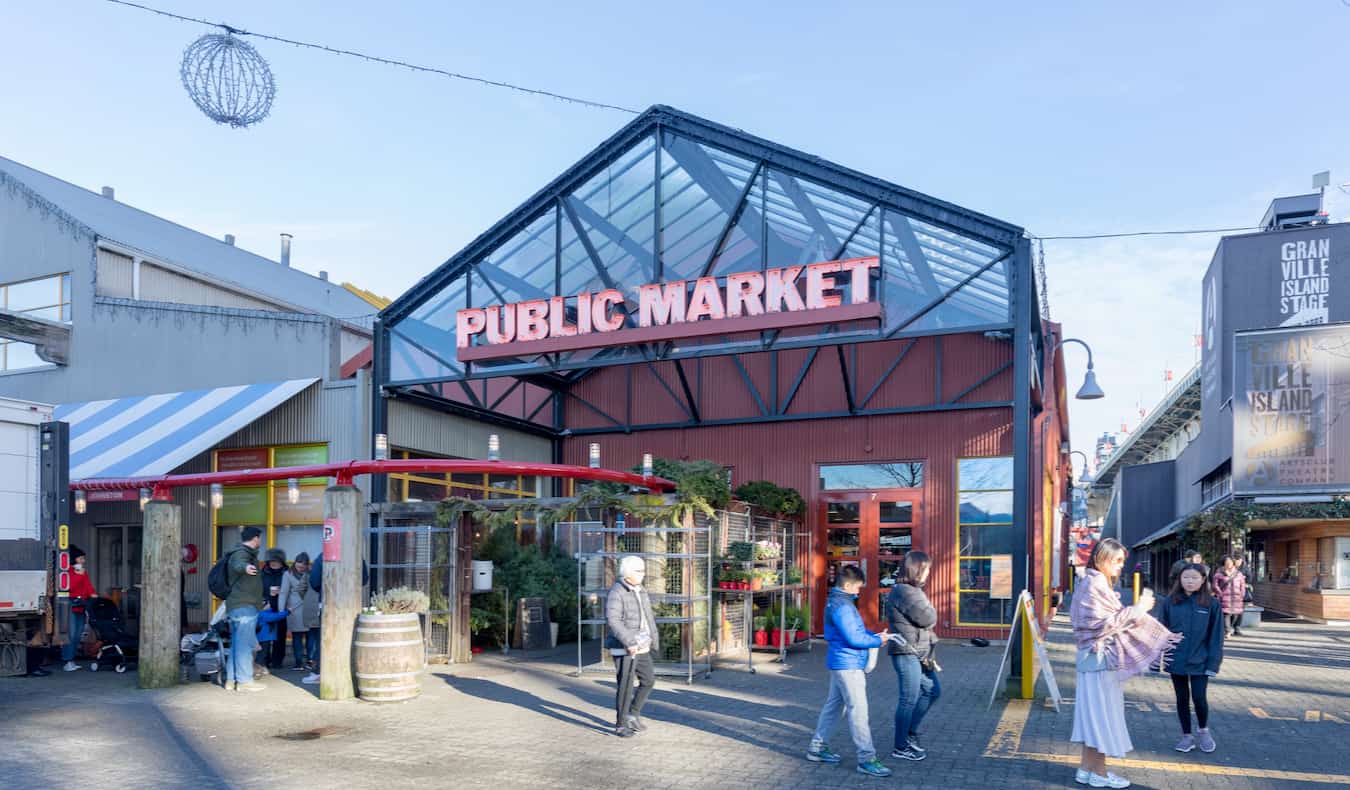
Granville Island is one of the most popular destinations in Canada. Technically a peninsula, it is located just across False Creek from Yaletown and is home to the massively popular Public Market, a huge indoor market with restaurants, fresh produce, crafts, and more. There are also numerous galleries and a large amphitheater. It’s the perfect place to wander, window shop, eat, and enjoy the summer weather. Be sure to grab a drink at the Granville Island Brewing Co., one of the first cottage breweries in the entire province!
Best places to stay in Granville:
MIDRANGE: Granville Island Hotel – This is the only hotel on Granville Island. A three-star property, it has everything you need for a relaxing and affordable stay. There’s a spa, sauna, and gym, and bikes are available for rent if you want to explore the area. The stylish rooms have large beds, desks, coffee/tea makers, and plenty of light. The bathrooms aren’t huge, but everything is modern and clean, and the showers have good pressure. The breakfast is delicious and has lots of options.
Vancouver has it all: amazing food, lots of museums and galleries, and plentiful green space. With both ocean and mountains right at your doorstep, it’s a fun city to visit year-round. Just make sure to stick to the neighborhoods above. Do that, and you’ll get to see the best Vancouver has to offer, no matter your travel style or budget.
Book Your Trip to Vancouver: Logistical Tips and Tricks
Book Your Flight
Use Skyscanner to find a cheap flight. They are my favorite search engine because they search websites and airlines around the globe so you always know no stone is left unturned.
Book Your Accommodation
You can book your hostel with Hostelworld as they have the biggest inventory and best deals. If you want to stay somewhere other than a hostel, use Booking.com as they consistently return the cheapest rates for guesthouses and cheap hotels.
Don’t Forget Travel Insurance
Travel insurance will protect you against illness, injury, theft, and cancellations. It’s comprehensive protection in case anything goes wrong. I never go on a trip without it as I’ve had to use it many times in the past. My favorite companies that offer the best service and value are:
- Safety Wing (best for everyone)
- Insure My Trip (for those over 70)
- Medjet (for additional evacuation coverage)
Looking for the Best Companies to Save Money With?
Check out my resource page for the best companies to use when you travel. I list all the ones I use to save money when I’m on the road. They will save you money when you travel too.
Want More Information on Vancouver?
Be sure to visit my robust destination guide on Vancouver for even more planning tips!
The post Where to Stay in Vancouver: The Best Neighborhoods for Your Visit appeared first on Nomadic Matt's Travel Site.
]]>The post Where to Stay in Toronto: The Best Neighborhoods for Your Visit appeared first on Nomadic Matt's Travel Site.
]]>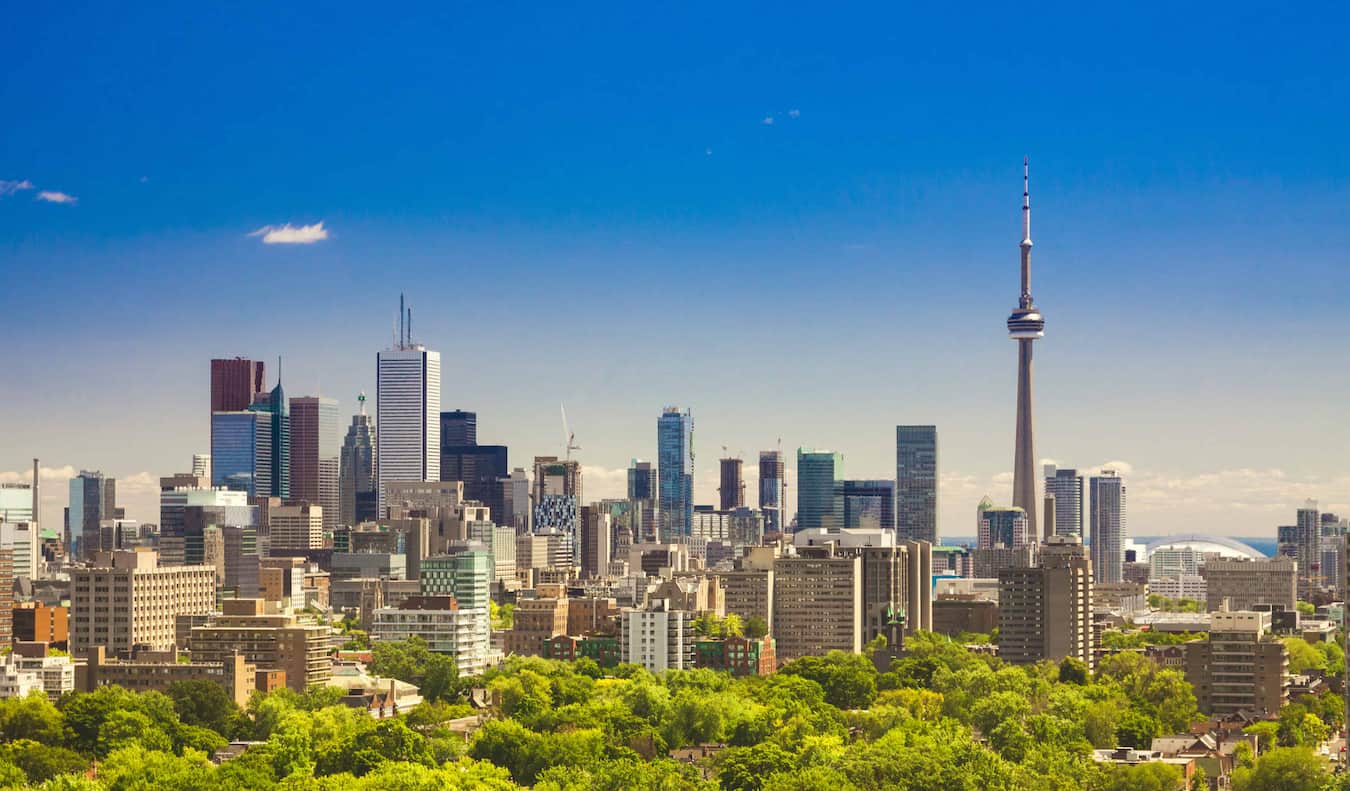
While it may lack the scenic views of Vancouver or the historic charm of Montreal, Toronto has a lot going for it.
The CN Tower, one of the tallest free-standing structures in the world, can be found here, and there are numerous museums and galleries, including the Ontario Science Center and the Royal Ontario Museum. There’s also a huge Chinatown, boasting tasty cheap eats; the laid-back Kensington Market and its hippie vibe; and the beautiful coast of Lake Ontario.
Understandably, with over three million people calling the city home, Toronto happens to be quite spread out. And while it has a decent public transportation system, it’s a good idea to plan out which neighborhood you’d like to stay in — preferably based on your interests and lifestyle — so you won’t waste too much time (and money) in transit).
To help you decide where to stay in Toronto, I’ll highlight the best neighborhoods below, so you can choose the area that suits your travel style and budget, as they all have their own feel.
But, before I get to the specifics, here are some common questions I get asked about neighborhoods in Toronto:
What’s the best neighborhood for first-time visitors?
The centrally located Downtown Yonge is maybe the most bustling part of Toronto. If it’s your first time here, it’s the place to be.
What’s the best neighborhood for shopping?
Yorkville is overflowing with great shopping opportunities. Everything from unique boutiques to multinational chains is represented here.
What’s the best neighborhood for foodies?
Kensington Market and Chinatown, which neighbor each other, are two of the oldest districts — and a great swath of town if you’re hungry.
What’s the best neighborhood for partying?
The Danforth has a large Greek immigrant population and is, generally, a fun place to spend time in. But once the sun goes down and the lights come on, it is also one of the best areas for partying too.
What’s the best neighborhood for feeling like a local?
Home to the University of Toronto, the Annex is centrally located and bustling with young students marching to class or hanging out at one of the many restaurants and cafés in this neighborhood.
With these questions answered, here below is a more specific breakdown of each neighborhood, with some recommended accommodations, so you’ll know where to stay in Toronto.
Toronto Neighborhood Overview
Where to Stay in Toronto for First-Time Visitors: Downtown-Yonge
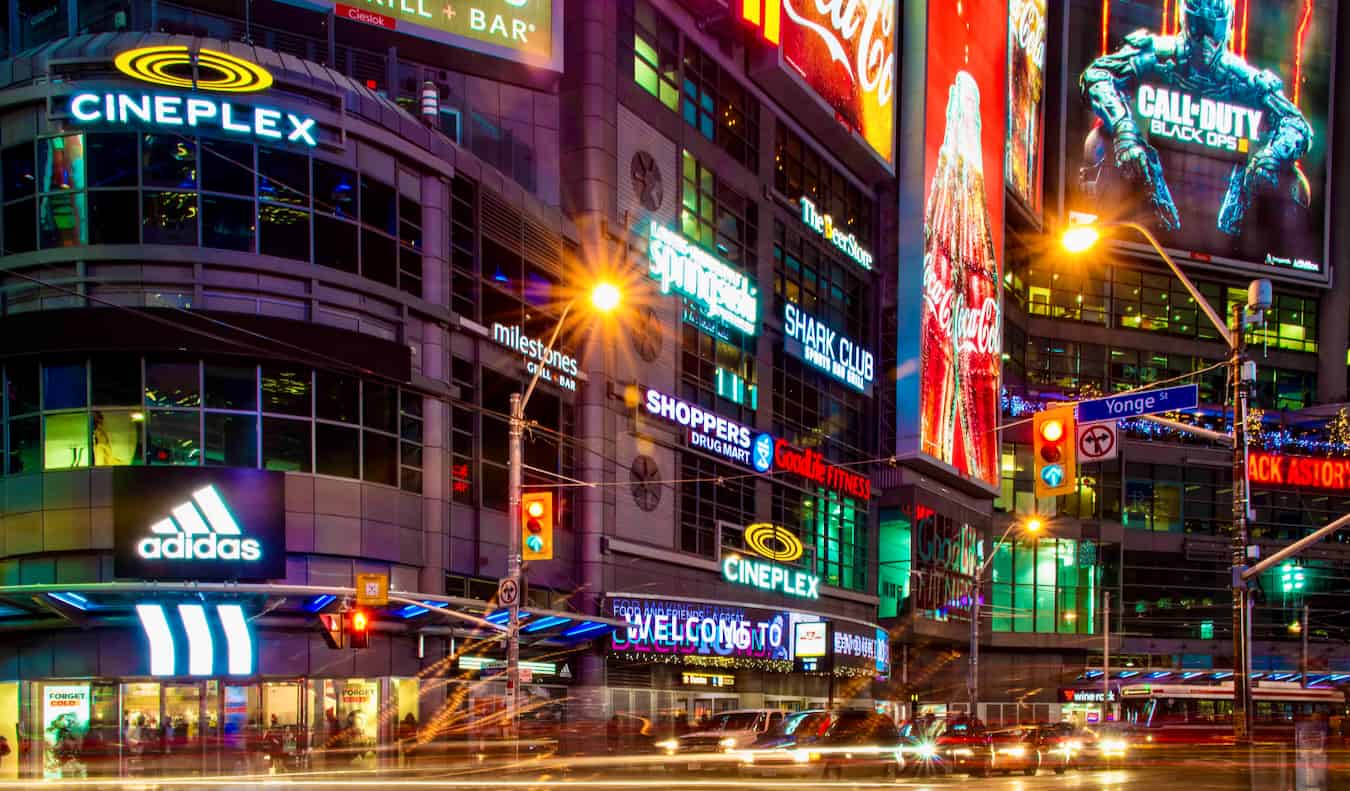
Downtown Yonge encompasses many microneighborhoods in central Toronto, including the Entertainment District and a huge shopping area. If you’re here for the first time, this is a pretty nice and bustling place to base yourself for a while. You’ll be in the center of the action and can get to any part of the city from here.
Plus, there are plenty of interesting things to see and do here: the Toronto Eaton Centre, Yonge-Dundas Square, the Canon Theatre, Maple Leaf Gardens, and Old City Hall. You’re just a short jaunt to the CN Tower as well.
The Best Places to Stay in Downtown Yonge:
BUDGET: St. Lawrence Residences & Suites — When it comes to budget accommodation, there are very few, if any, options in this part of town. This no-frills but comfortable property, located just over the border in St. Lawrence, is it. The hotel rooms are on the small side, and the more budget-friendly options have a shared bathroom, but the rooms are clean and comfy. The rooftop lounge is a nice place at sunset.
MIDRANGE: Chelsea Hotel — This place offers spacious rooms and great views of the Toronto skyline. Rooms have blackout curtains, plus-sized plasma TVs, extra-comfy king and queen beds, and coffee machines. There’s also a coffee shop and wine bar on the premises.
LUXURY: Pantages Hotel Downtown — This classic high-rise hotel in the center of the action is a sleek, modern property and a very luxurious place to lay one’s weary head. The 105 rooms have thick queen and king mattresses, Keurig coffee makers, high-thread-count sheets, plush towels, marble bathrooms, rain showers, and luxury bath products. The hotel is particularly well suited for those with theater tickets, as it’s just a stone’s throw away from historic performing arts venues like The Ed Mirvish Theatre and The Elgin and Winter Garden Theatre Centre.
Where to Stay in Toronto for Shopping: Yorkville
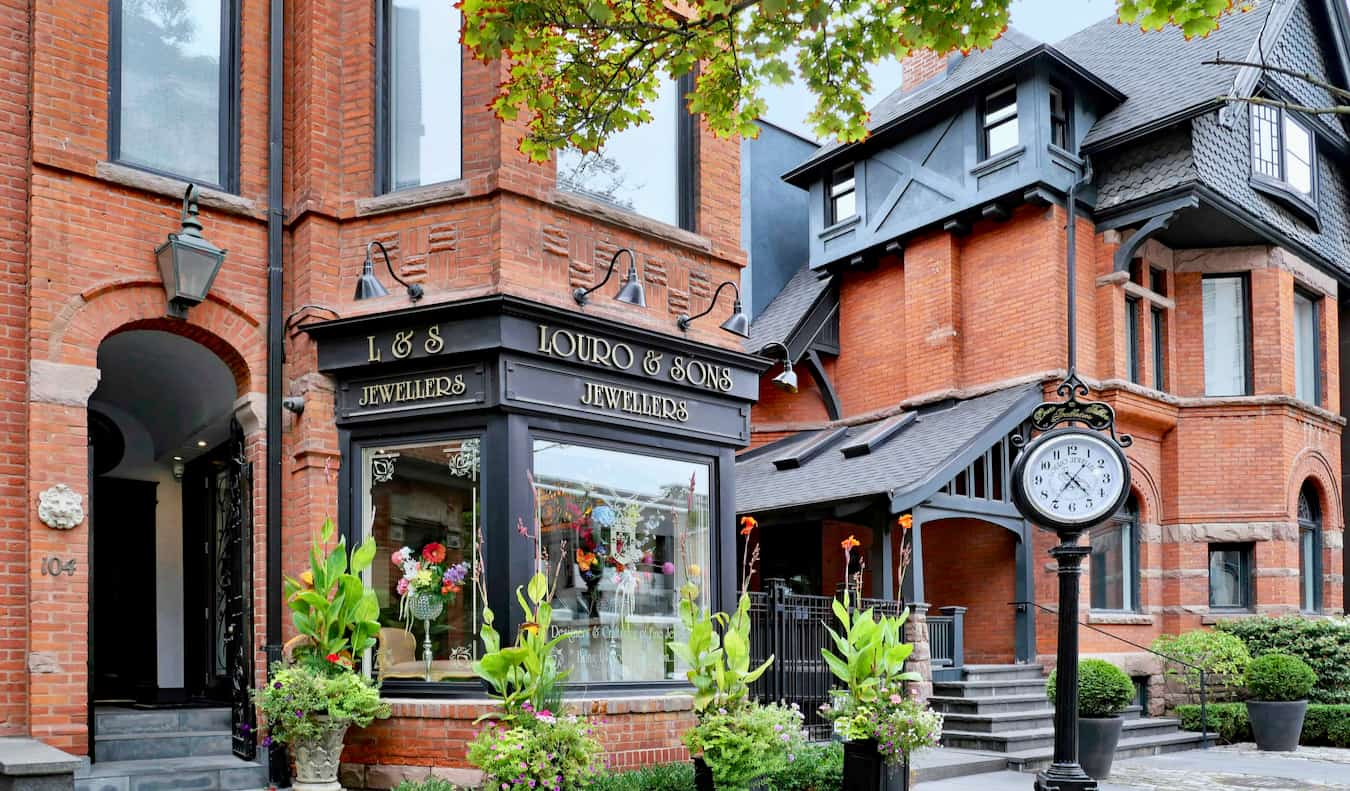
If you’re looking to max out your credit card and/or come home with some pretty things, your best bet is Yorkville. The neighborhood is flush with shops and boutiques, its streets flanked by inviting storefronts that are just screaming “buy me!” Here you’ll find everything from Hermès to Versace to the Montreal-based jeweler Maison Birks. Many upscale brands have their flagship shops right here.
The Best Places to Stay in Yorkville:
BUDGET: Yorkville Plaza Suites — Given that the neighborhood has such an upscale vibe, it’s no surprise that you won’t find any hostels here. And budget accommodations are few and far between. But Yorkville Plaza Suites is relatively affordable. All rooms have coffee makers, a fridge, a small oven, and a desk.
MIDRANGE: The Yorkville Royal Sonesta — The Royal Sonesta boasts a heated, indoor, rooftop swimming pool, a vodka bar, and an in-house eatery with a menu inspired by the cultural diversity of Toronto. The rooms have marble bathrooms, docking stations, LCD televisions, and coffee makers.
LUXURY: Park Hyatt Toronto —This 219-room property (including 40 suites) opened 1936; in 2017, it underwent a massive renovation, and the property reopened in 2021. The rooms have Bluetooth speakers, blackout curtains, and Nespresso coffee makers. The in-house eatery is an upscale steakhouse.
Where to Stay in Toronto for Foodies: Kensington Market and Chinatown
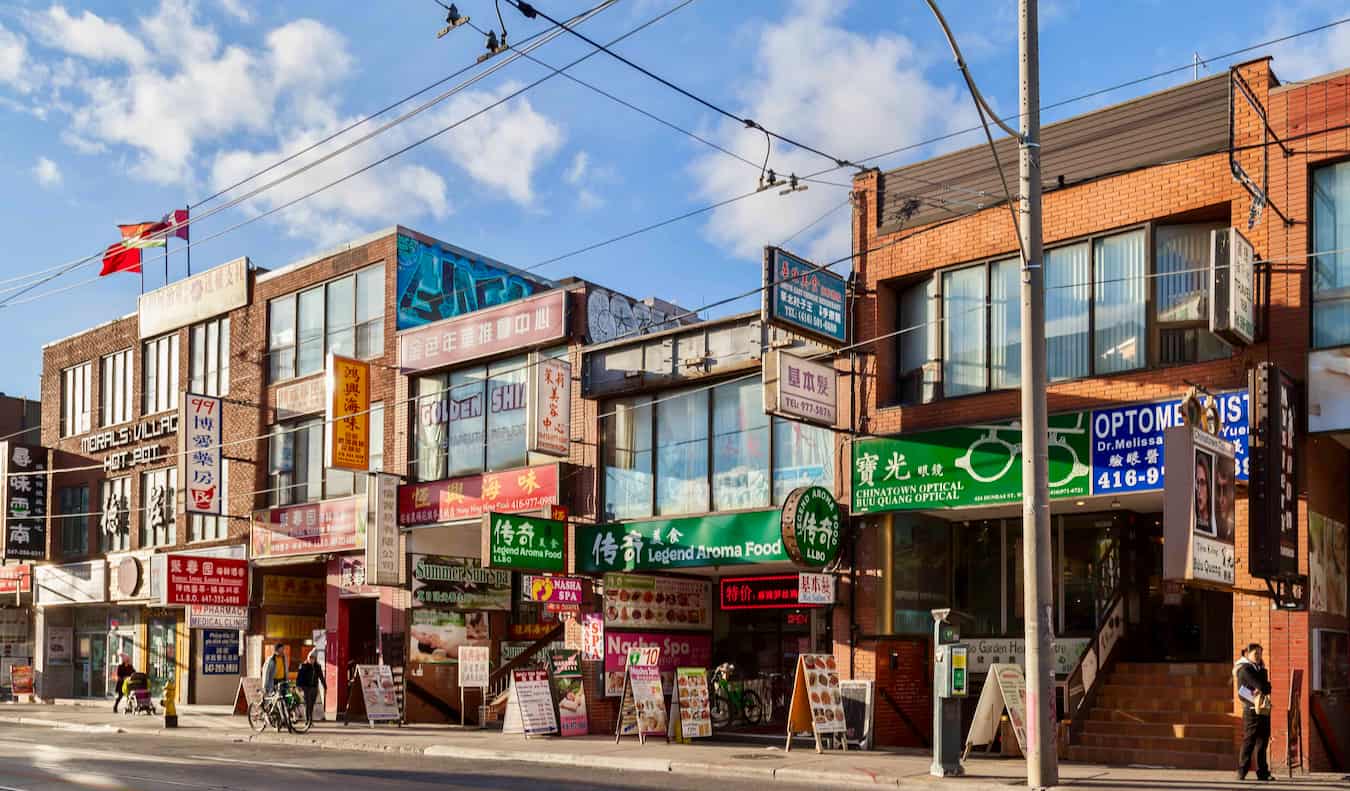
Kensington Market is a hip, eccentric, and eclectic neighborhood that draws locals from all over town. The streets are lined with funky coffee shops, street food carts and trucks, and small restaurants that reflect the ethnic and culinary diversity of Toronto as a whole.
Just to the south is Chinatown, where you can feast on an array of Asian fare to your heart’s and stomach’s content: Thai, Vietnamese, Japanese, and, of course, Chinese restaurants abound in this energetic and fun neighborhood.
The Best Places to Stay in Kensington Market and Chinatown:
BUDGET: The Planet Traveler Hostel — Set on the northern border of Kensington Market, this eco-friendly hostel boasts free breakfast and fun rooftop bar with great views. The hostel has a mix of sleeping options, all of which have comfy beds with nightlights.
MIDRANGE: The Beverley — Located just to the east of Chinatown and Kensington Market, this three-star boutique hotel offers rooms with thick, comfortable mattresses, wood floors, and colorful walls. In the lobby, there’s always complimentary high-quality coffee.
LUXURY: Ace Hotel — Just south of Chinatown is the Ace Hotel. The interior looks like you just walked onto the set of a Wes Anderson film, as there are lots of old typewriters and taxidermy. Rooms come in small, medium, and large — these are literally the names — and all have record players, walk-in showers, and minibars filled with locally made products.
Where to Stay in Toronto for Partying: The Danforth
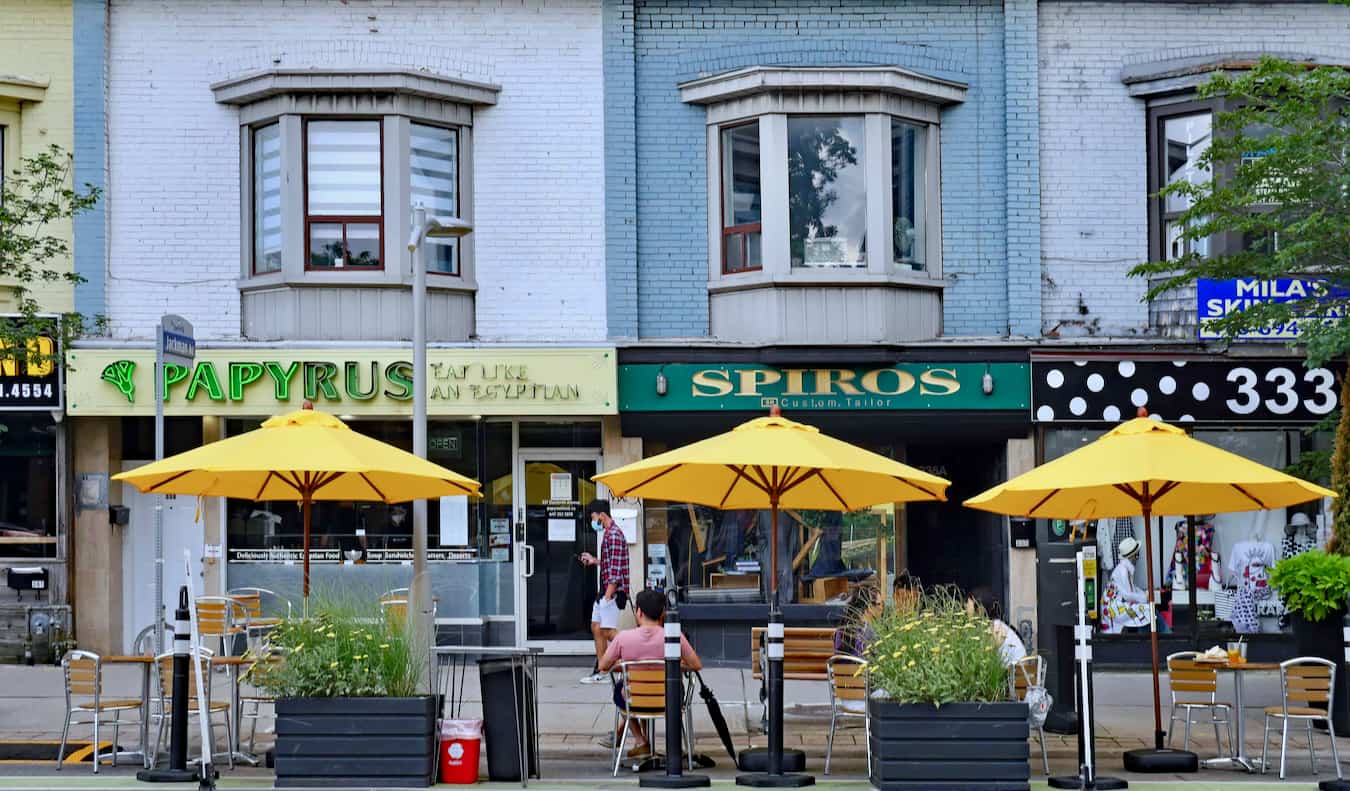
Home to the largest Greek community in North America, where the street signs in are in English and Greek, the Danforth (aka “Greektown”) is the place to come when you have a hankering for souvlaki or moussaka or you want to see where they shot parts of the film My Big Fat Greek Wedding.
But it’s also a fun place to party. The neighborhood has a plethora of great bars and is also home to the Danforth Music Hall, where local and international acts take the stage.
The Best Places to Stay in the Danforth:
BUDGET: The Only Backpackers Inn — With a ground-floor espresso bar, a quaint pub stocking over 200 beers from around the world, and a barbecue area, this hostel is a fun, comfortable place to spend a few days. There are small dorm rooms and private rooms, some of which have their own kitchens. Breakfast is complimentary.
MIDRANGE: Colour Cube Guest House — Located west of Danforth, the Colour Cube Guest House is — you guessed it — colorful. Rooms are bright and cheery, awash in greens, purples, oranges, and blues. Guests have access to an on-site scooter rental.
LUXURY: The Broadview Hotel — Located south of Danforth, the Broadview is the most luxurious property in the East End of Toronto. The iconic, historic property has 58 rooms, with high ceilings, comfy beds, large windows, dark wood floors. The rooftop bar has great views. This design-friendly hotel is an ideal home-away-from-home in Toronto.
Where to Stay in Toronto to Feel like a Local: The Annex
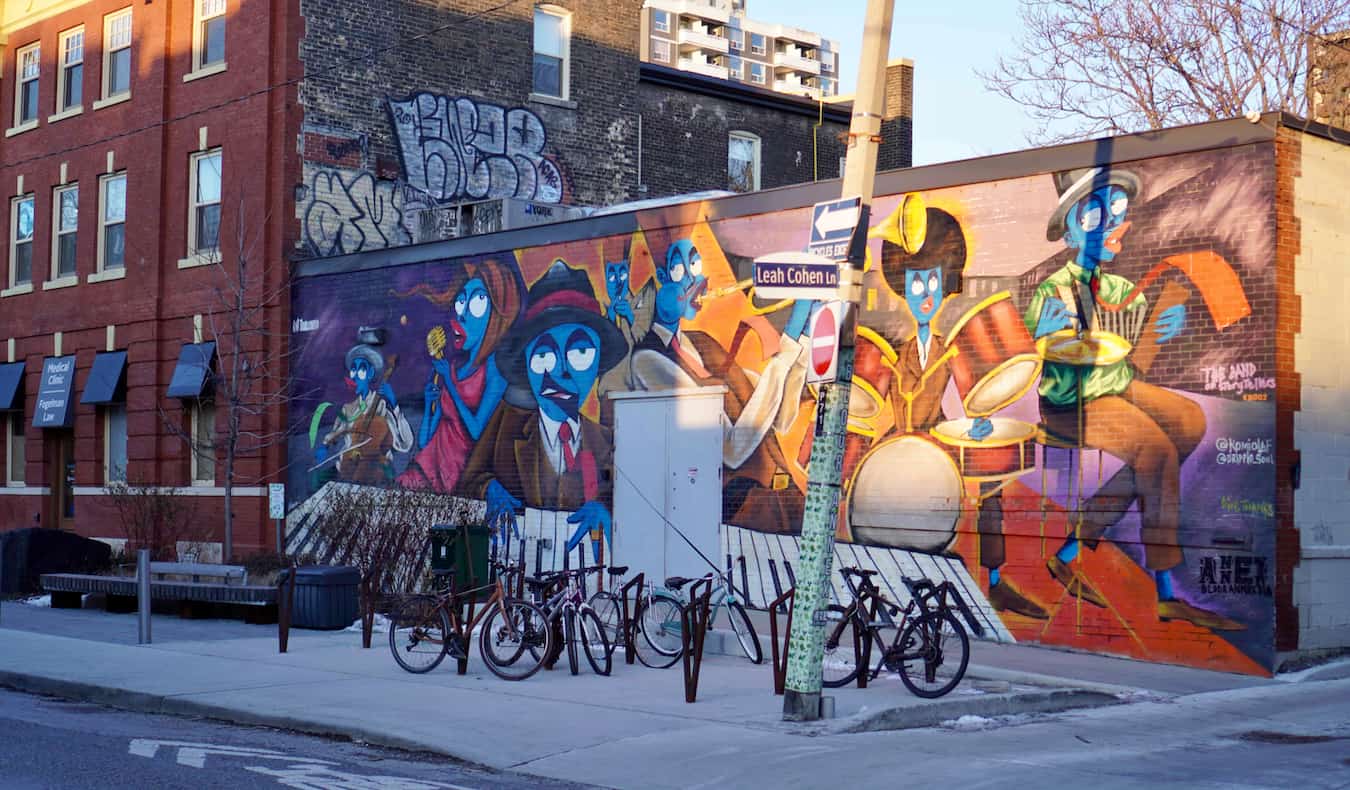
Sitting next to the St. George campus of the University of Toronto, the Annex is bustling with students and other young people who stroll the streets to patronize the neighborhood’s many indie bookshops, funky cafés, affordable restaurants, and bustling bars. If you’re looking to blend in and feel like a local, the Annex is a good place to base yourself.
The Best Places to Stay in the Annex:
BUDGET: University of Toronto New College Residences — Here you’ll find over 200 beds for short-term stays, most of which are single rooms with either single or double beds. It’s no-frills, but there is free Wi-Fi and coin-operated laundry on the premises.
MIDRANGE: Madison Manor Boutique Hotel — This Victorian-style B&B is incredibly charming and located just a short walk from the subway. Suites have their own fireplaces and the on-site pub has almost 200 beers on tap. The rooms, while small, are cozy and comfortable.
LUXURY: The Four Seasons — Located a couple of blocks west of the Annex, the Four Seasons is the epitome of luxury. Rooms have stunning views through the floor-to-ceiling windows, plus a stereo system, desk-side charging stations, granite bathrooms, and plush robes. The in-house eatery is Café Boulud from super-chef Daniel Boulud.
Toronto has a diverse mix of neighborhoods, and all seem to have their own personality and style — even the areas that neighbor one another. While it is easy to get around Toronto on public transportation, it’s always a relief to be staying in the part of town that jibes with your interests and style. You’ll not only save time but money too, ensuring that you can make the most of your visit to Canada’s most popular city.
Book Your Trip to Canada: Logistical Tips and Tricks
Book Your Flight
Use Skyscanner to find a cheap flight. They are my favorite search engine because they search websites and airlines around the globe so you always know no stone is left unturned!
Book Your Accommodation
You can book your hostel with Hostelworld as they have the biggest inventory and best deals. If you want to stay somewhere other than a hostel, use Booking.com as they consistently return the cheapest rates for guesthouses and cheap hotels.
Don’t Forget Travel Insurance
Travel insurance will protect you against illness, injury, theft, and cancellations. It’s comprehensive protection in case anything goes wrong. I never go on a trip without it as I’ve had to use it many times in the past. My favorite companies that offer the best service and value are:
- Safety Wing (for everyone below 70)
- Insure My Trip (for those over 70)
- Medjet (for additional evacuation coverage)
Need a Rental Car?
Discover Cars is a budget-friendly international car rental website. No matter where you’re headed, they’ll be able to find the best — and cheapest — rental for your trip!
Looking for the Best Companies to Save Money With?
Check out my resource page for the best companies to use when you travel. I list all the ones I use to save money when I’m on the road. They will save you money when you travel too.
Want More Information on Canada?
Be sure to visit our robust destination guide on Canada for even more planning tips!
The post Where to Stay in Toronto: The Best Neighborhoods for Your Visit appeared first on Nomadic Matt's Travel Site.
]]>The post Canada Road Trip: A One Month Suggested Itinerary appeared first on Nomadic Matt's Travel Site.
]]>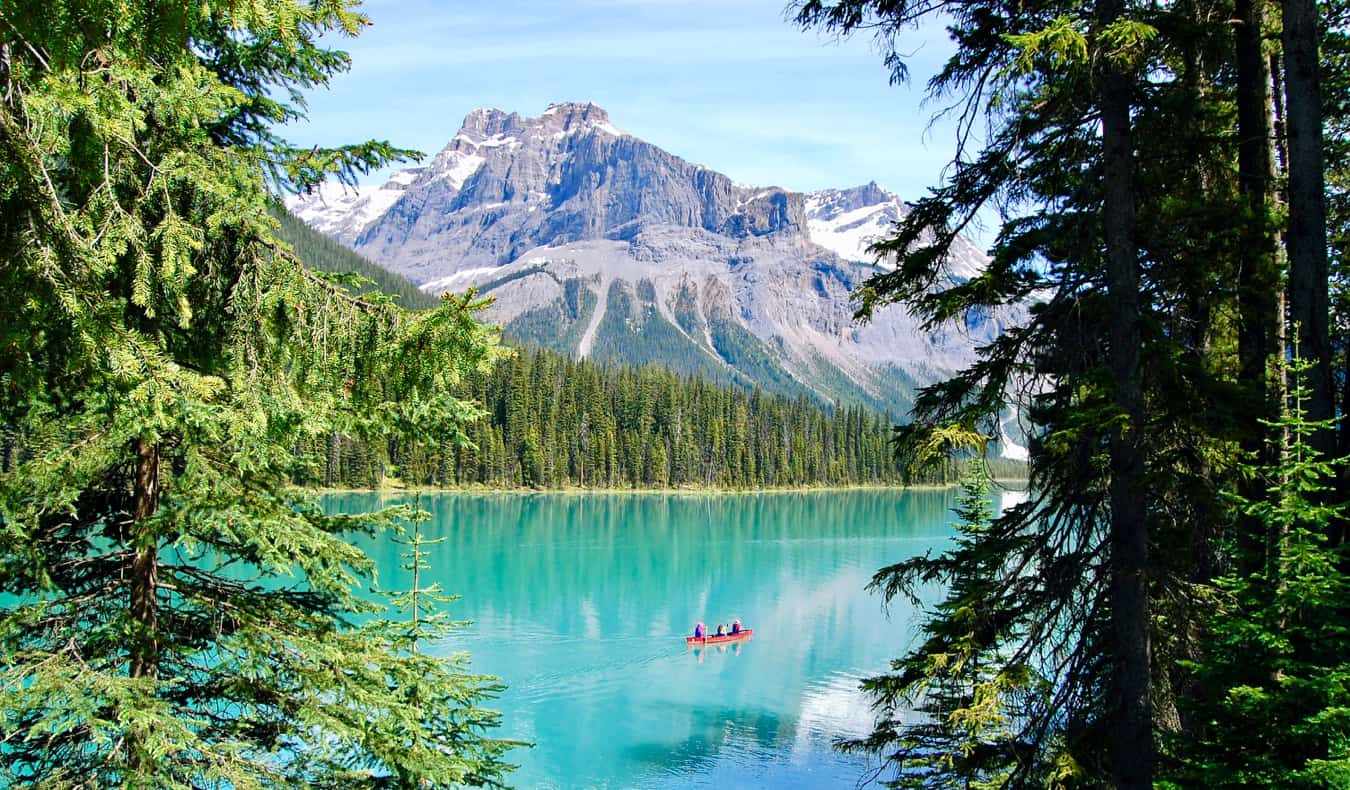
Spanning 9,306km (5,780 miles) and six time zones, Canada is the second-largest country in the world. It’s home to rugged coastlines, vast prairies, dense boreal forests, towering mountain ranges, and upwards of two million lakes.
But what makes Canada special is its people. It’s a place that embraces its diversity and that encourages people to be friendly, caring, and polite.
Due to its large size, though, traveling across Canada can be a little challenging. Domestic flights are prohibitively expensive due to low competition and, outside of the eastern part, trains don’t go many places.
That means if you really want to see Canada, you need to drive.
To help you explore this amazing country, here is my suggested itinerary for a one-month road trip. Yes, it’s packed, since you’ve got a lot of ground to cover. However, it’s also not too rushed (though you can easily extend this out to six or eight weeks as well).
(Note: Canada is huge, and there are many routes and itineraries you can take. This one is by no means comprehensive but instead meant to give you a good overview and introduction to the main cities and sights. Feel free to make changes as you see fit!)
Days 1-3: Vancouver, BC
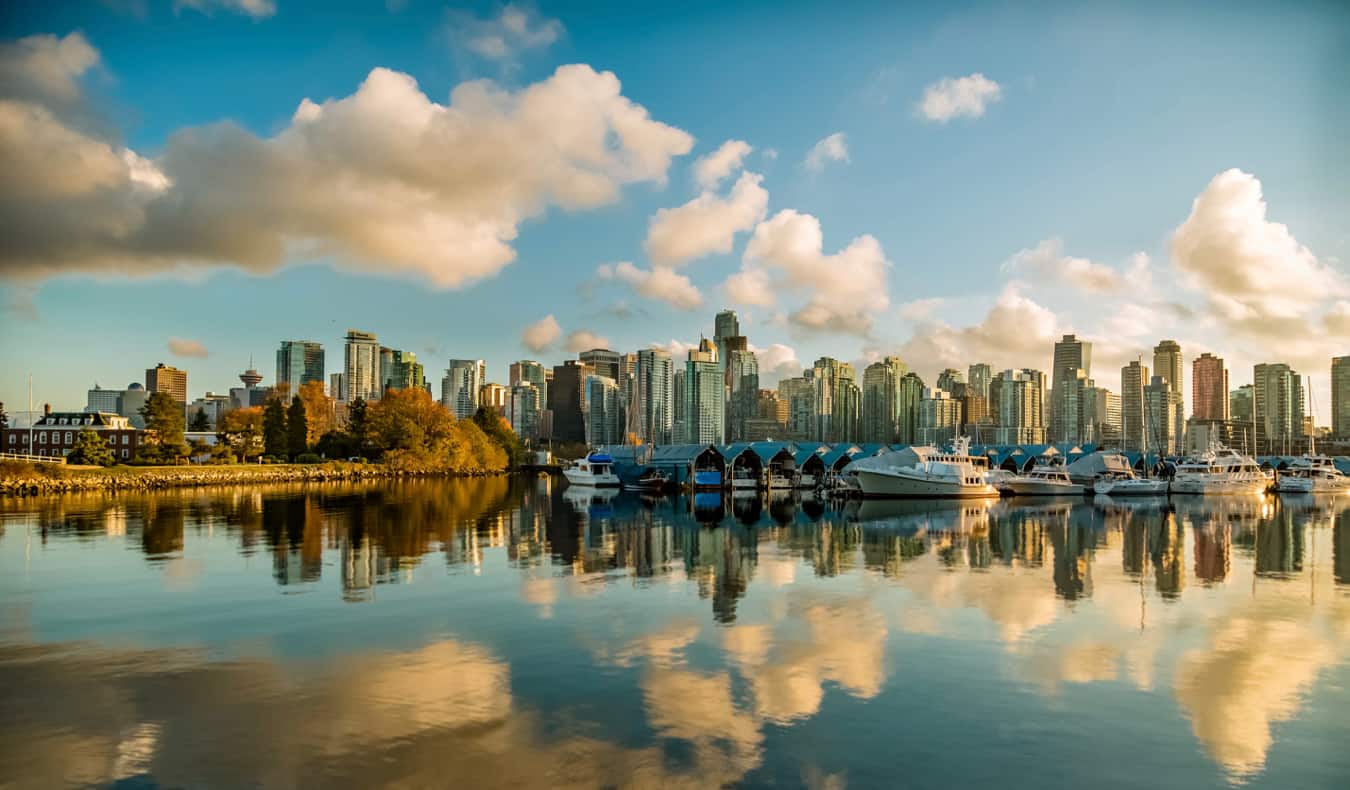
Pick up a rental car (or RV) and kick off your adventure in Vancouver, one of my favorite Canadian cities. It’s tucked between the ocean and the mountains, making it a paradise for anyone who loves the outdoors.
It’s also the third-largest city in Canada, so there’s plenty to see and do while you’re here. There’s an amazing foodie scene here too.
Here are a few suggestions to help you start your trip off right:
- Visit Granville Island – Granville Island is a shopping district in the middle of the city. It’s also a hub for foodies. Explore the public market, grab a beer at Granville Island Brewing Company, and wander the cool shops. There are also galleries, some performing arts venues, and all kinds of events and festivals held here too!
- Enjoy the view from Grouse Mountain – Ride the gondola to the top, where you can enjoy the view over the metropolis and mountains. There are lots of trails for hiking in the summer and sections for skiing and snowboarding in the winter. You can also hike to the top (which takes 1.5–2 hours) and then take the gondola down for $20 CAD.
- Relax in Stanley Park – Located in the heart of the city, this enormous park (a 400-hectare natural rain forest) is a perfect place to escape the hustle and bustle of downtown. Its waterfront path right on the Pacific is a nice place to go for a stroll, swim, or bike ride. There are also sports fields here and over 20km of trails.
- Walk the Capilano Suspension Bridge – This 450-foot long suspension bridge stands 230 feet high and offers views of the surrounding forests and trails. I don’t love heights, but the view is amazing. It’s not cheap, though — tickets are $71.95 CAD.
For more suggestions, here’s a detailed list of things to see and do in Vancouver.
Where to Stay
- Cambie Hostel Gastown – Located in the historic Gastown district, this hostel has comfortable beds, a small common room for hanging out, and access to The Cambie, the hostel’s bar.
- HI Vancouver Downtown – Tucked into a quieter part of town, HI Vancouver Downtown is in a good location for exploring the popular Granville and Davie Streets, which offer plenty of cafés, bars, clubs, restaurants, and shopping.
Here is my complete hostel list with even more suggestions!
Day 4-5: Whistler, BC
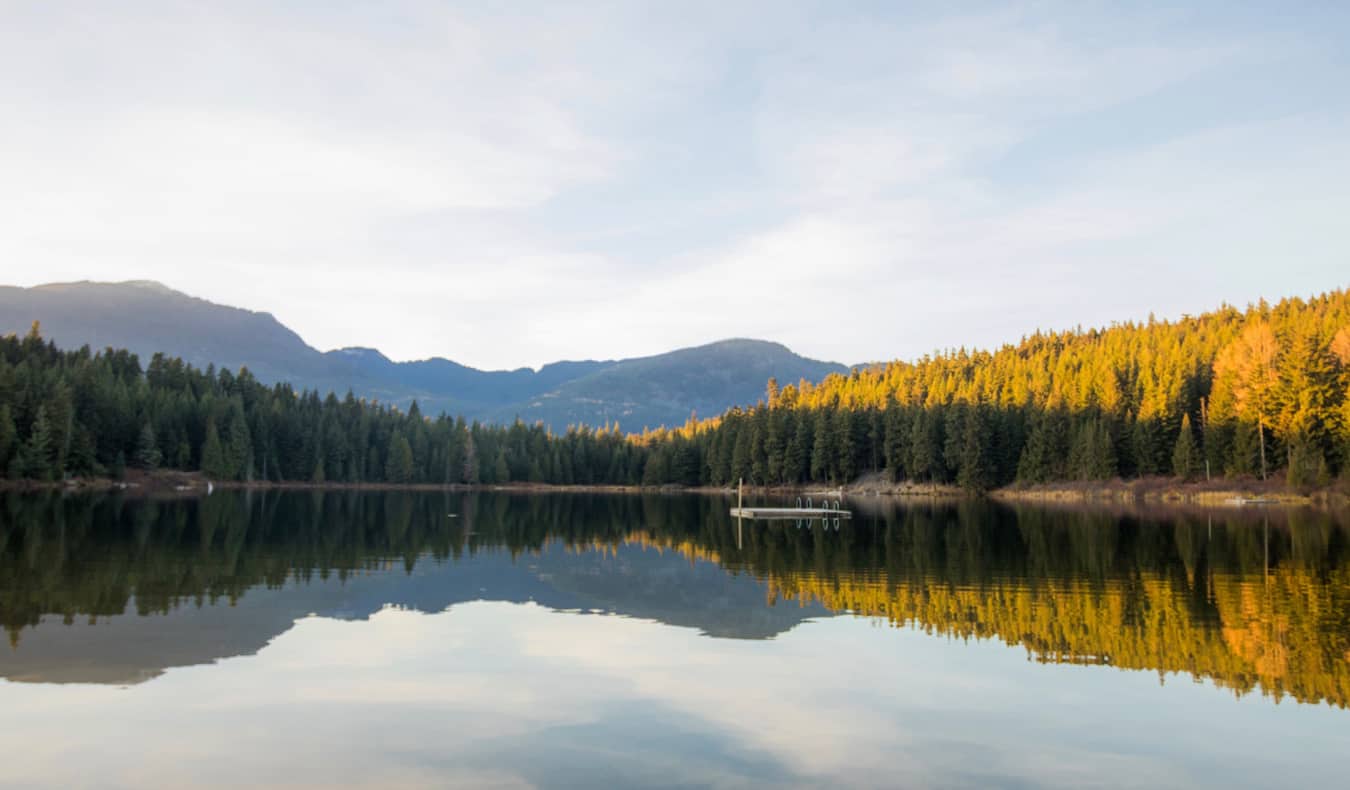
Located 90 minutes from Vancouver, Whistler is home to one of the largest ski resorts in North America. If you’re visiting during the winter, be sure to hit the slopes.
In the summer, there are tons of outdoor activities to enjoy such as hiking, swimming, cycling, zip-lining, and bear watching. There’s also a 4.4km peak-to-peak gondola where you can enjoy the stunning mountain vistas that envelop the region.
Where to Stay
Airbnb and Booking.com will be your best choices here. Book in advance, as they get booked fast!
Days 6-8: Banff National Park, AB
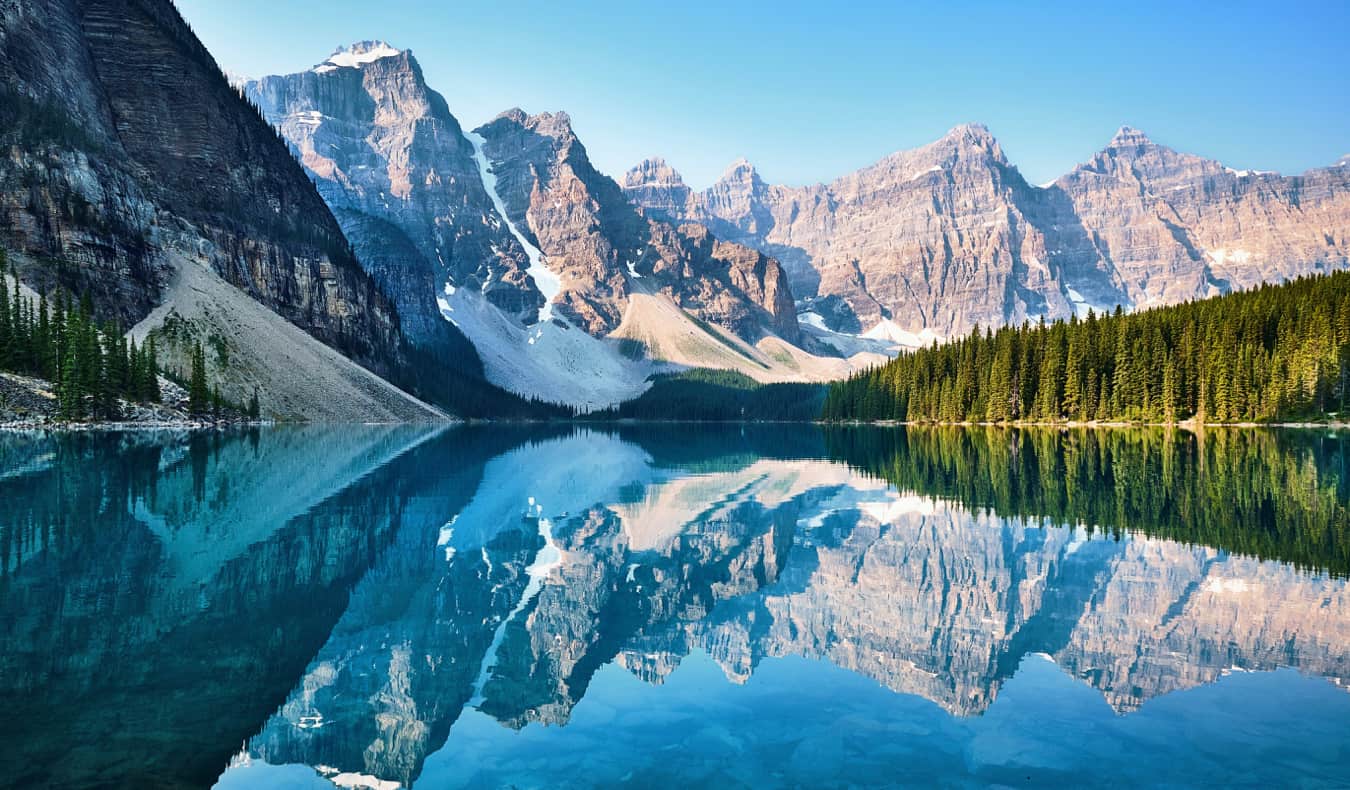
Next, head east to Banff National Park. It’s an 8.5-hour drive, so you can break it up with a stay in Kamloops or just muscle through in one go.
Banff is home to two of Canada’s most picturesque (and most Instagrammed) locations: Moraine Lake and Lake Louise. They are incredibly popular sights, so get there early to beat the crowds.
Beyond snapping some Insta-worthy shots, there is plenty of hiking to enjoy in the surrounding mountains. It’s a beautiful place to relax in a rustic lodge or cabin or go camping (you can rent camping gear if you don’t have any).
Be sure to spend some time in the town of Banff as well. It’s a touristy resort town but it’s also super quaint and charming.
Where to Stay
Airbnb will be your best option if you’re on a budget. If you feel like splurging on a luxury resort or lodge, use Booking.com.
For camping, you can use this government website to book a site in the park.
Note: If you have more than a month for your trip, consider a stop in Jasper National Park before heading to Banff. It’s an extra nine-hour drive from Whistler but the natural beauty here is jaw-dropping (seriously, google “Jasper National Park” — it’s stunning!).
Days 9-10: Calgary, AB
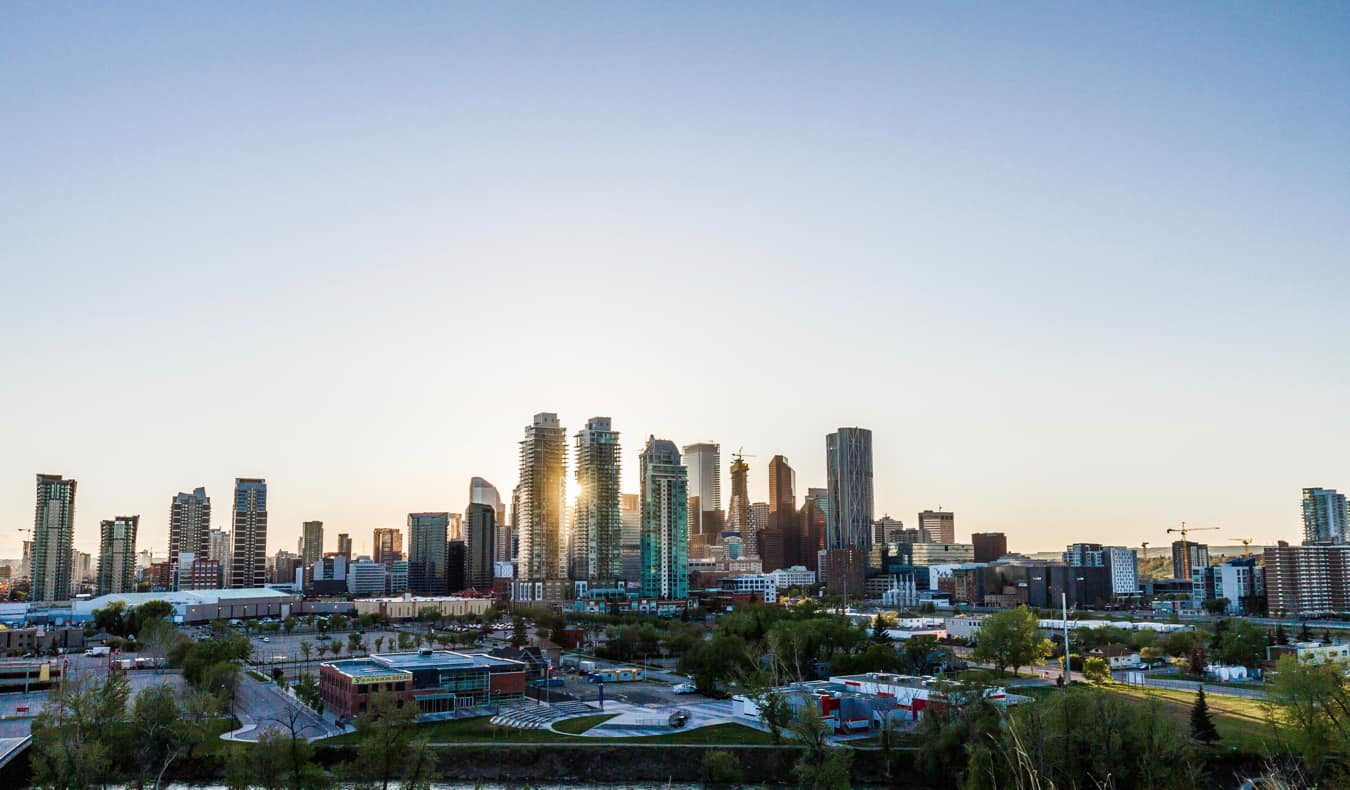
Calgary, an often-overlooked destination, is just 90 minutes from Banff and worth spending a couple days in. It’s a cosmopolitan city with a rough and wild cowboy charm to it. There’s plentiful hiking, kayaking, skiing, rafting, and camping all nearby. And the city itself is one of the liveliest in Canada, especially during the Calgary Stampede in July, which attracts tens of thousands of people from around the world.
Here are a few things to see and do during your visit:
- Attend the Calgary Stampede – The Calgary Stampede is an annual rodeo. Expect chuckwagon races, bull riding, concerts, carnival rides, and endless fair food (deep-fried butter, anyone?). Tickets start at $25 CAD.
- Visit Fish Creek Provincial Park – Fish Creek sits along the Bow River and is perfect for walking, cycling, and rollerblading. In the summer, people come here to fish, swim, and barbecue. It’s a fun, relaxing place to get some exercise and enjoy the weather.
- Go brewery-hopping – Calgary has a huge number of brewpubs and small craft breweries. Citizen Brewing Company, Cold Garden Beverage Company, and Big Rock are some of my favorites. Bounce around and see which is your favorite. It’s a fun way to spend an afternoon.
- Take in the view from Calgary Tower – Built in 1967, the Calgary Tower commemorates Canada’s Centennial. From the top, it offers an uninterrupted view of the Rocky Mountains. The observation deck has a glass floor that adds an extra thrill to your visit (if you like heights, that is). Tickets are $23 CAD.
For more suggestions, check out my comprehensive free guide to Calgary!
Where to Stay
HI Calgary City Centre – This is the best hostel in the city. It has a full-equipped kitchen, includes towels, and the beds are comfy and have thick mattresses. It’s easy to meet people here too.
Days 11-12: Regina, SK
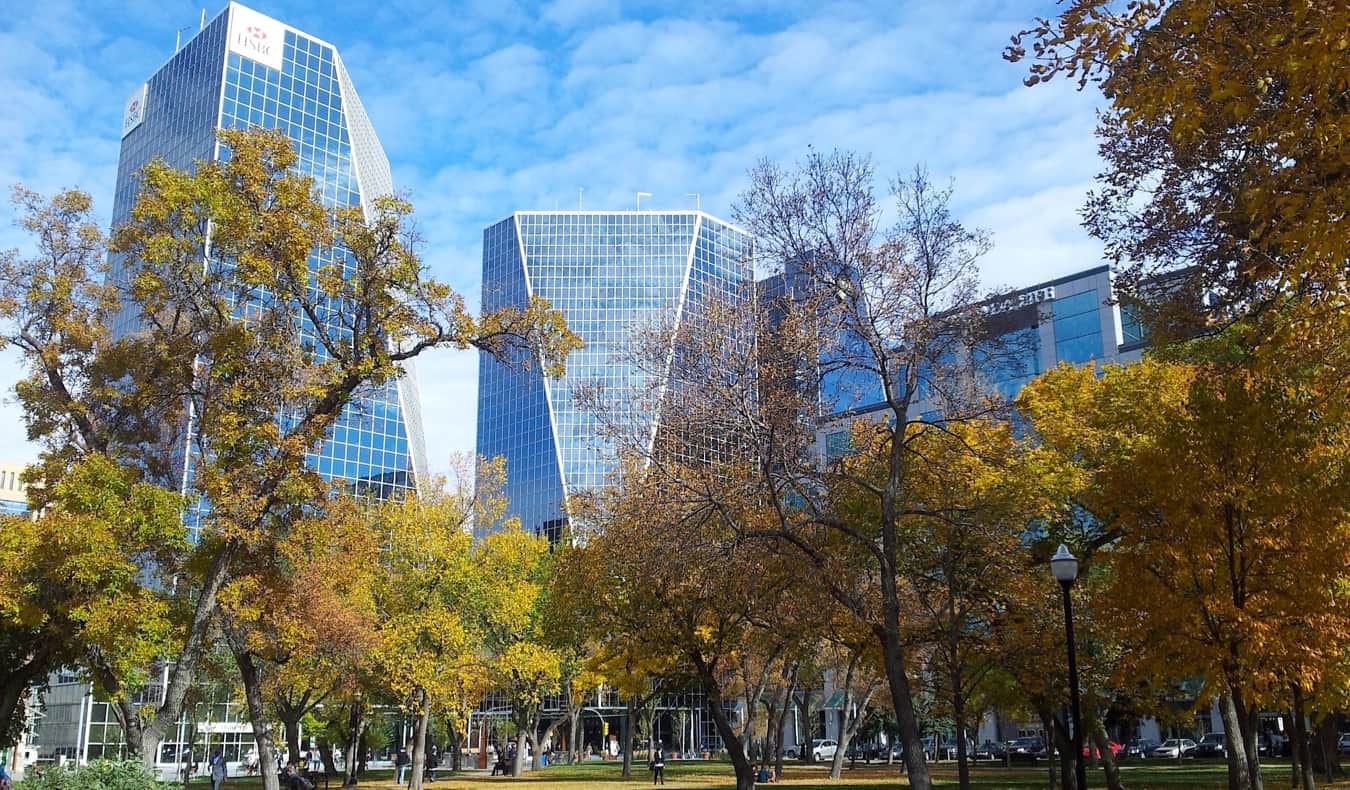
Located seven hours east of Calgary, Regina, the capital of Saskatchewan, is named after Queen Victoria (regina is Latin for “queen”). The province is incredibly flat and dominated by farmland — which is why it’s often overlooked.
Home to just 242,000 people, Regina is a small city that’s worth a quick visit. Here are some suggested things to see and do while you’re here:
- Visit the Royal Saskatchewan Museum – This natural history museum was opened in 1906 and is home to the world’s largest T. rex cast as well as an insightful exhibition on Canada’s First Nations. It’s an educational place to visit if you’re traveling with kids.
- Watch the Roughriders – The CFL (Canada’s answer to the NFL) is popular here as Regina is home to one of the league’s best teams, the Roughriders. If you’re visiting between June and November, catch a game at Mosaic Stadium and get rowdy with the locals! Tickets start around $40 CAD.
- Tour the Legislative Building – The Saskatchewan Legislative Building was built in 1912. It’s a National Historic Site and Heritage Property and is home to one of the tables used by the Fathers of Confederation when they drew up their plans to create a united Canada. Take a guided tour (they last around 30 minutes) and learn about the province’s history.
Where to Stay
Airbnb and Booking.com will be your best choices here, depending on your budget and what kind of accommodation you’re looking for.
Days 13-14: Winnipeg, MB
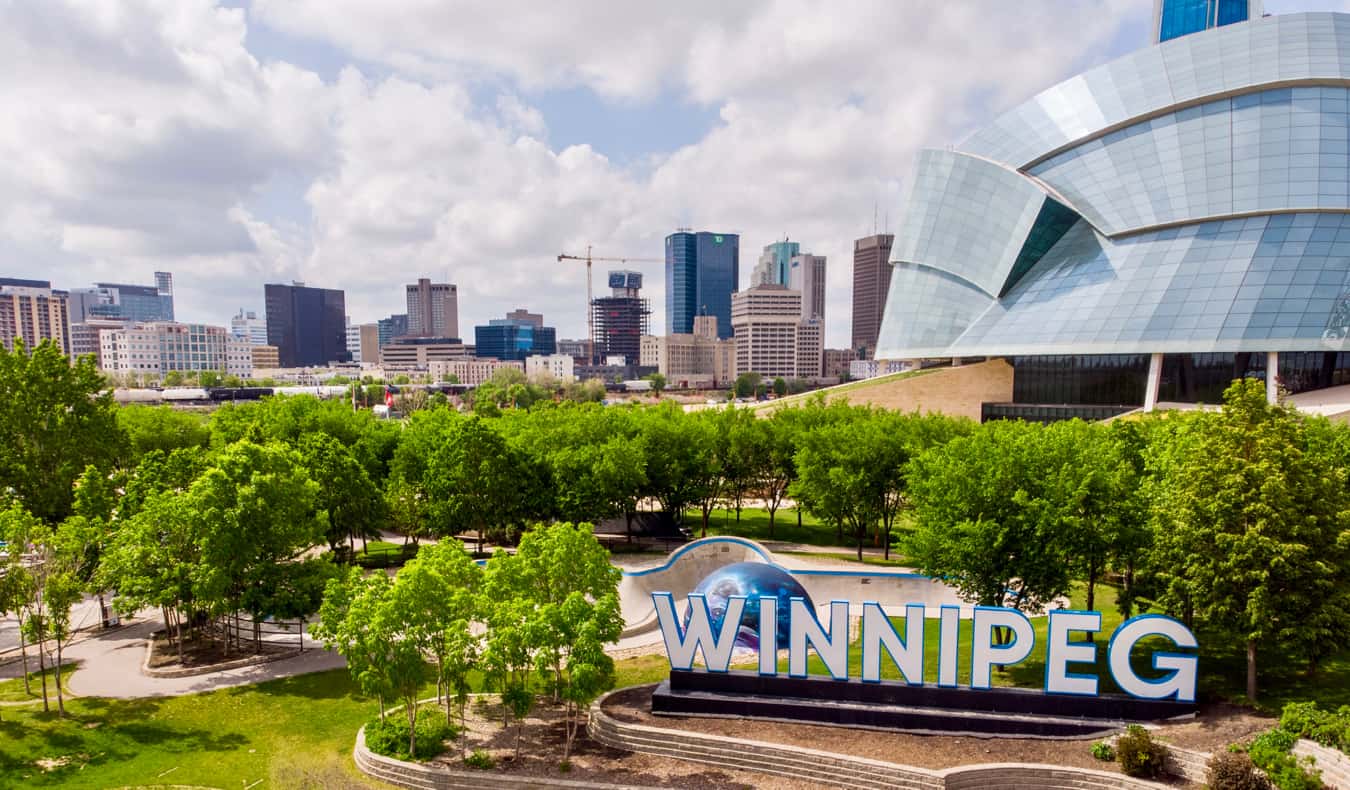
Winnipeg is one of Canada’s up-and-coming destinations. The capital of Manitoba, it’s located six hours from Regina and is home to a burgeoning food scene. There’s also a growing arts and culture community here too.
While it’s known for its harsh winters, Winnipeg has been working hard to evolve into a world-class city. Slowly but surely, it’s succeeding. Stop by for a day or two and check out some of the city’s best sights:
- See the Canadian Museum for Human Rights – This museum highlights the crises and evolution of human rights in Canada and around the globe. Opened in 2008, it’s the only national museum outside of Ottawa.
- Watch the Blue Bombers – For more CFL action, catch a Blue Bombers game. The team was founded in 1930 and is one of the best in the league.
- Explore the Forks National Historic Site – This urban park is a relaxing place to read or have a picnic. At the intersection of two rivers, it was historically significant for trade between indigenous people and Europeans, with human settlement going back as far as 6,000 years.
- Visit the Royal Canadian Mint – If you’re a collector or are just curious how coins are made, stop by the mint. It’s made over 55 billion coins for 75 different countries. Over 1,000 coins are made every second here! Tours are $12 CAD.
Where to Stay
If you’re on a budget, try Airbnb first as they have a lot of good cheap room options. If you’re looking for a hotel, Booking.com has the best rates.
Days 15-16: Thunder Bay, ON
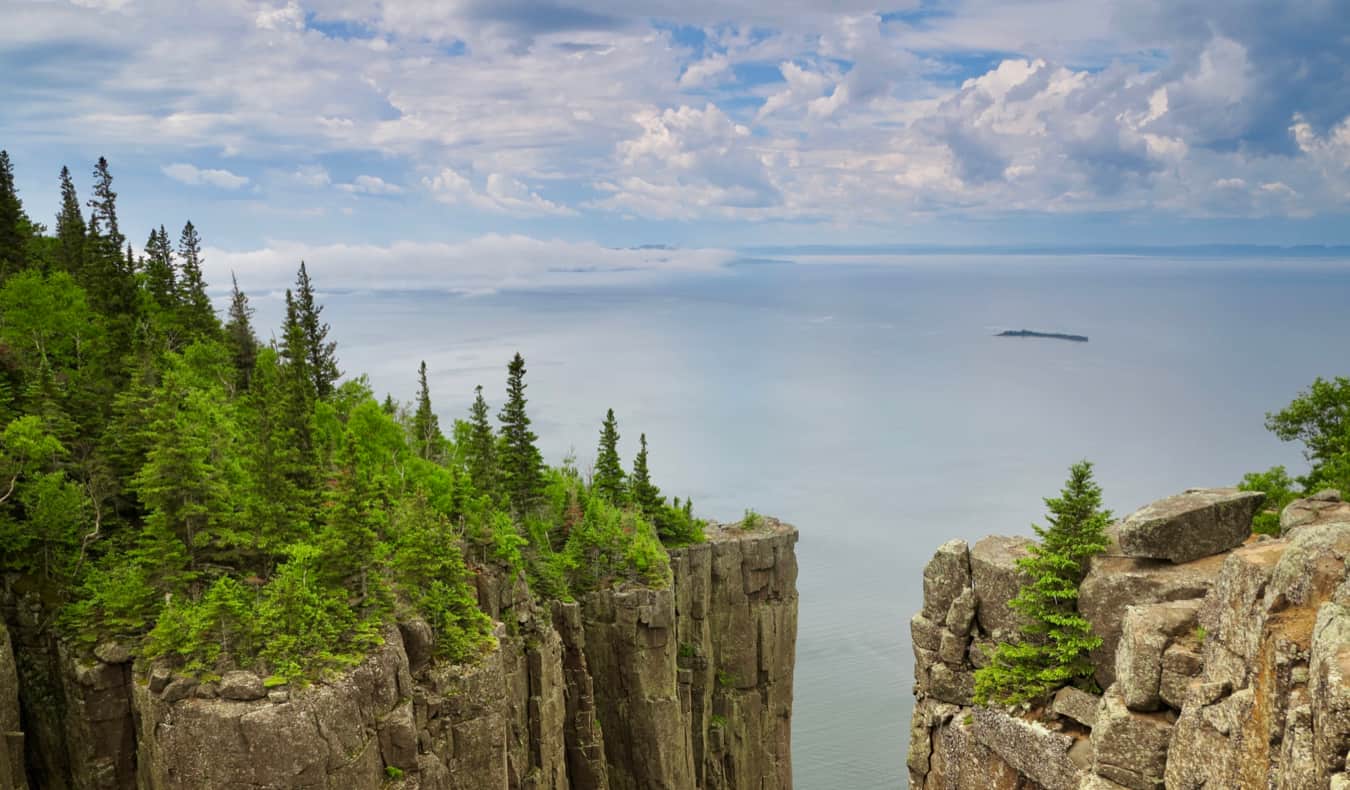
Time to head to Ontario! It’s an eight-hour drive, so you can stop along the way to break up the trip (there are tons of parks, campgrounds, and small towns you can stay in along the way).
Tucked away on the edge of Lake Superior, Thunder Bay is one of the biggest cities in Northern Ontario. It’s just an hour from the US border and is one of the sunniest cities in Eastern Canada.
Here are some things to see and do while you’re here:
- See the Terry Fox Monument – In 1980, cancer-survivor Terry Fox set out to run across Canada to raise money for cancer research. He did so on just one leg (he lost the other to cancer). He managed to run for 143 days straight (5,373km, or 3,339 miles) before his cancer returned and he had to call off his quest.
- Go hiking in Sleeping Giant – Sleeping Giant Provincial Park is located on Lake Superior and offers 80km of hiking trails, including both short day hikes and multi-day routes.
- Visit Fort William Historical Park – This park is where the reconstructed Fort William is located, a fur trading post from 1816. There’s a traditional blacksmith, cooper, and canoe builder, and you can interact with actors playing the various people you would have met here in the 19th century. (Closed in the winter.)
Where to Stay
For hotels and motels, use Booking.com.
Days 17-19: Algonquin Provincial Park, ON
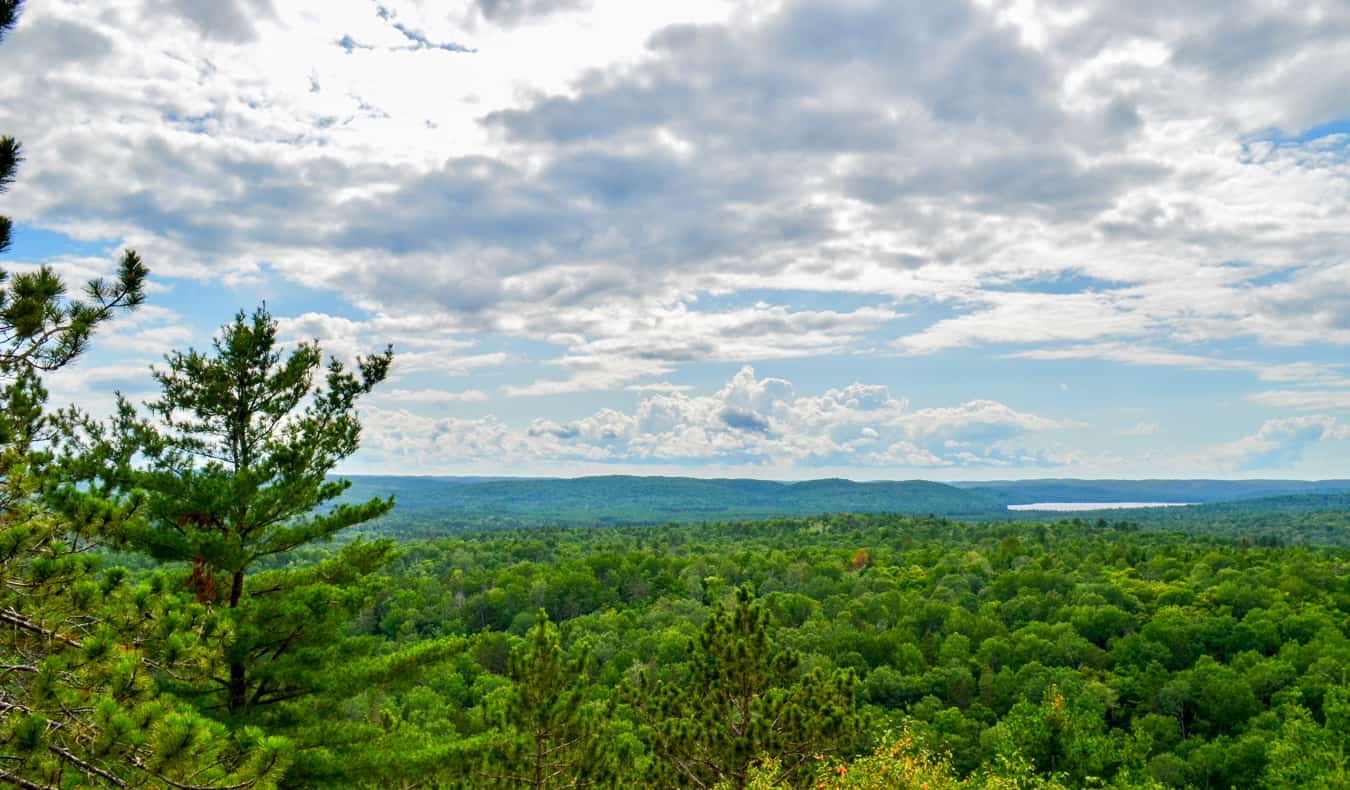
It’s time to get away from it all and spend some time in nature. Algonquin Provincial Park spans a whopping 7,653 square kilometers (2,955 square miles) and is home to black bears, moose, foxes, beavers, wolves, and all kinds of birds and plants.
There are several different campgrounds in the park, dozens of hiking trails, and over 1,500 lakes (it’s massive!). You can also rent canoes and kayaks to explore and go deeper into the park. Multi-day portages are possible too.
Even if you’re a newbie camper and don’t have gear, you’ll be able to rent what you need to have an enjoyable, relaxing getaway for under $50 CAD per day.
Days 20-23: Toronto, ON
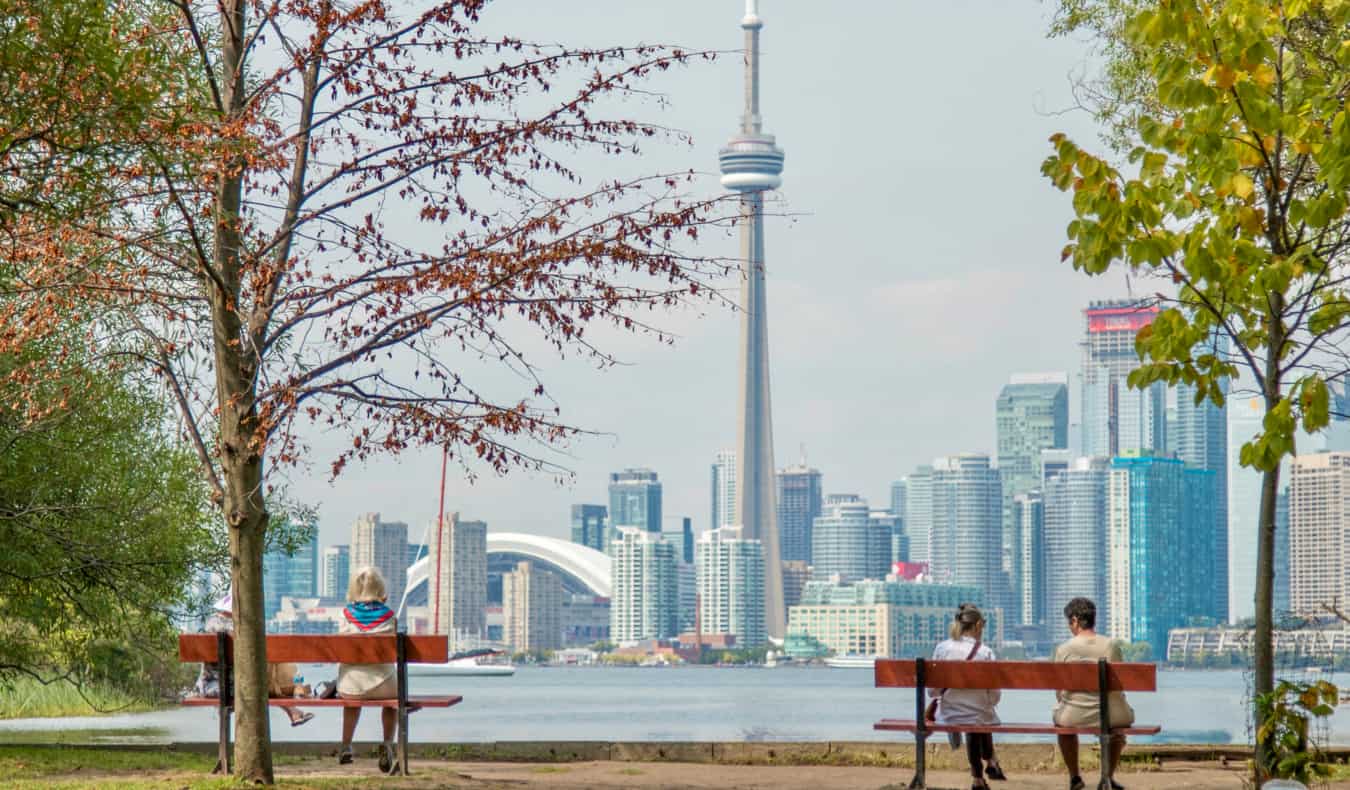
Perched on the coast of Lake Ontario just a couple hours south of the park, Toronto is often considered the New York of Canada. While it doesn’t have the charm of cities like Vancouver or Montreal, it’s the country’s biggest, most diverse city. In fact, since 50% of the population is foreign-born, it’s considered one of the most diverse cities in the world.
There’s a ton to see and do here. Here are a few suggestions to help you get started:
- Visit the CN Tower – The iconic CN Tower stands 550m tall and is a fixture of Toronto’s skyline. It offers panoramic views, shopping, and 360-degree dining in its (expensive) restaurant. If the weather is nice (and you have some extra money to spend), you can also walk along the outer edge of the tower. It’s touristy and expensive but fun!
- Relax on Toronto Island – Spend an inexpensive day at Toronto Island Park and enjoy the beach, play volleyball, have a picnic, and take in the view of the city from the water.
- Visit the ROM – The Royal Ontario Museum has over 13 million items spread over 40 exhibits and galleries. There are displays on dinosaurs, ancient China, indigenous Canadians, medieval Europe, ancient Egypt, and more. It’s the best museum in town and a fun place for kids and adults alike!
- Hit the beach – The beaches near Lake Ontario are a relaxing way to spend the day during the humid summer. You can stroll along the boardwalk, eat at one of the many restaurants, or rent a boat and head out on the lake. Some of the best beaches are Cherry, Woodbine, and Centre Island.
- Wander Kensington Market – This bohemian neighborhood offers an eclectic mix of alternative restaurants and shops. It gets quite bustling in the summer, and there are often free concerts too. It’s one of my favorite places to wander around!
For more suggestions as well as money-saving tips, check out my free guide to Toronto!
Where to Stay
- Planet Traveler Hostel – All of the rooms are ensuite (including all dorm rooms), there’s a fully equipped kitchen with free breakfast, and best of all, there’s an awesome rooftop terrace with incredible views over downtown Toronto. It’s a fun hostel and very easy to meet people here.
Here’s my complete list of the best hostels in Toronto if you want more suggestions.
Days 24-26: Ottawa, ON
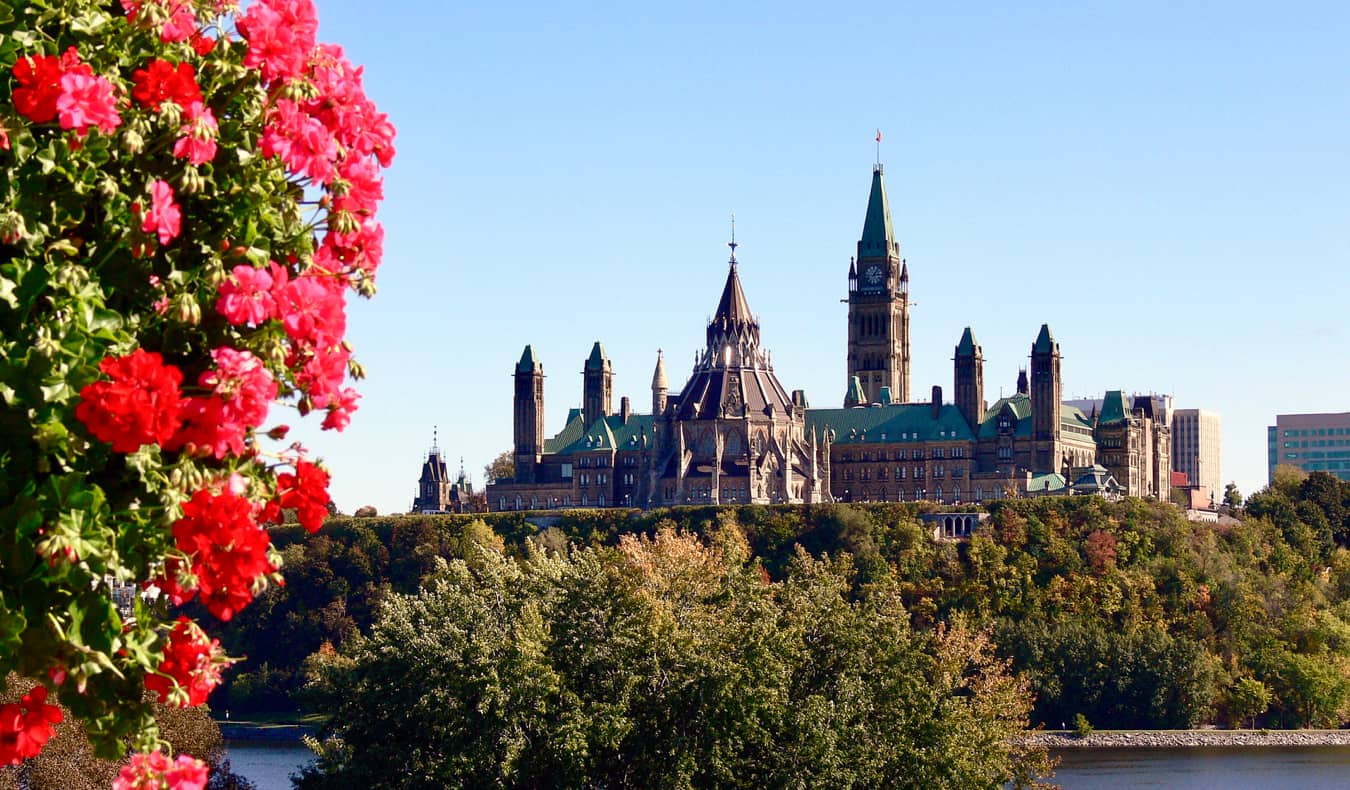
Next, head east to Canada’s capital. While Ottawa doesn’t get the love that cities like Toronto and Montreal do, it’s definitely still a city worth visiting — especially if you’re a history buff like me!
Located four hours from Toronto, it’s is full of historic buildings and museums, and is just a short walk from Québec (Canada’s French-speaking province).
Here’s what I would focus on in Ottawa during your stay:
- Wander the Byward Market – This massive market is full of restaurants, shops, and open-air stalls. There is a lot happening all year round, though in the summer it’s bustling with fresh produce and many local artisans. If you’re looking for a souvenir or just want to people-watch, this is the place!
- Visit the Canadian Museum of Civilization – While technically not in Ottawa (it’s across the river in Québec), this world-class museum is one of the best in all of Canada. It does an amazing job of showcasing Canada’s entire history, including some insightful exhibitions on First Nations. There are lots of kid-friendly exhibits too. This museum shouldn’t be missed!
- Try a beaver tail – These are not actual beaver tails, don’t worry! They’re delectable desserts resembling a flat donut, made of fried dough and covered in all sorts of sweet toppings. They’re a must!
- Visit the Canadian War Museum – Canada is known as a peaceful nation, but it’s been involved in its fair share of conflicts too. This museum does an excellent job of highlighting Canada’s military history. It has exhibits on both world wars as well as modern conflicts Canada has been engaged in.
- Skate on the Rideau Canal – Every winter, the Rideau Canal is frozen over and turned into a massive skating rink that stretches for miles (it’s the longest skating rink in the world). If you’re visiting during the winter, you can rent skates for around $33 CAD (for two hours) if you don’t have your own.
Where to Stay
- Ottawa Backpackers Hostel – This laid-back hostel has some of the cheapest accommodation in the city. The dorms are spacious, it’s social, and it’s right near the Byward Market.
- Saintlo Ottawa Jail Hostel – This hostel is located in a former jail. The rooms are small (they’re former cells), but it’s an incredibly unique space — and a little spooky too!
Days 27-30: Montreal, QC
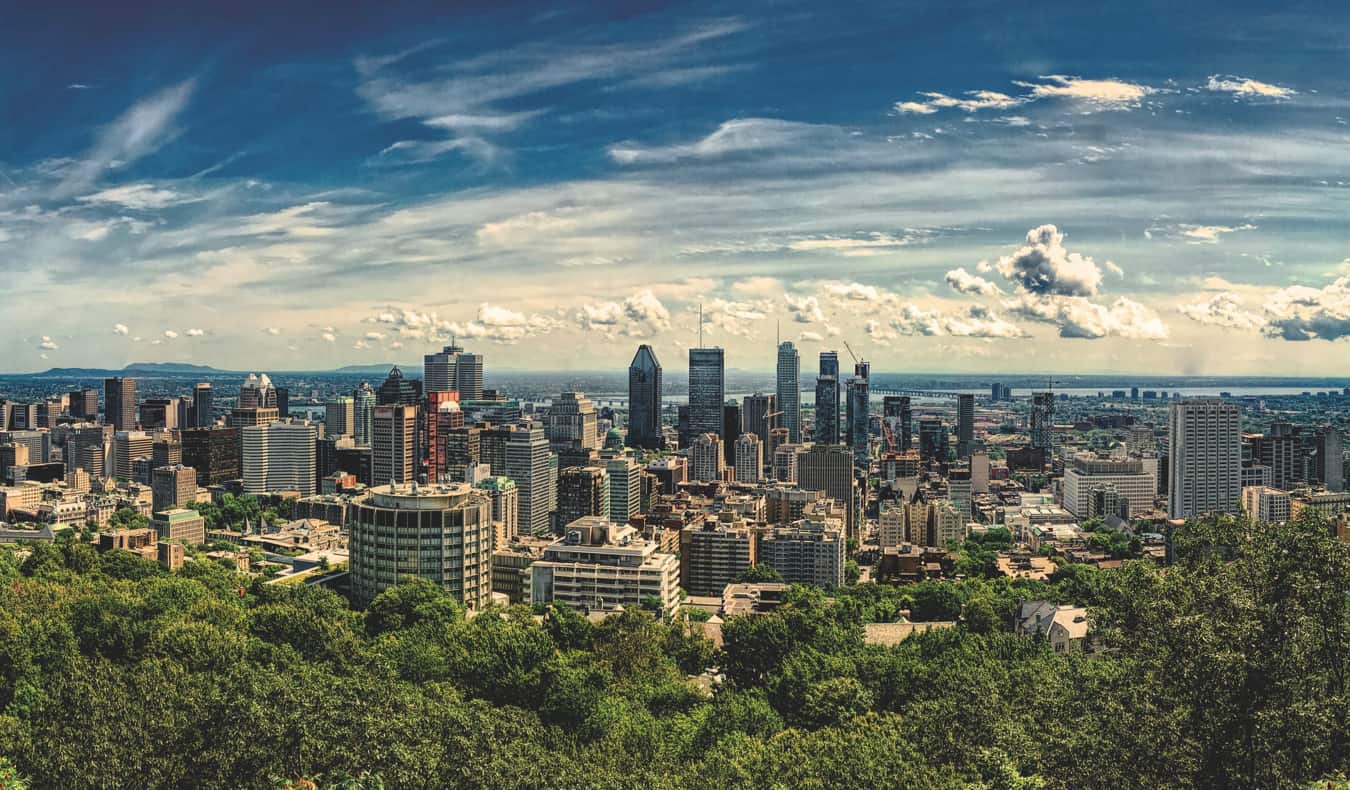
Montreal is one of the largest French-speaking cities in the world. Just two hours from Ottawa, it’s located in Canada’s only French-speaking province, Québec.
Personally, I think it’s one of the best cities in Canada. The Old Town looks like something straight out of medieval France, and the French-inspired cuisine and eclectic nightlife (especially the jazz clubs) leave little to dislike.
Here are my suggestions for things to see and do while you’re here:
- Wander Old Montreal – This is the most attractive part of town. It has cobblestone streets, and its historic gray-stone buildings date back to the 1700s. Some of the city’s finest museums and art galleries (such as the Montreal Museum of Archaeology and History) are here too.
- Hike Mount Royal – For a view over Montreal, hike up Mount Royal (after which the city is named). You can also jog, picnic, or just people-watch around the park too. It’s a relaxing green space.
- Visit the Notre-Dame Basilica – This 17th-century Gothic Revival basilica has dual towers that are reminiscent of Notre-Dame in Paris. Its interior is stunning and full of religious paintings, colorful stained glass windows, and gold-leaf decoration. There’s also a 7,000-pipe organ.
- See the Museum of Fine Arts – This huge museum has over 43,000 works of art. There are both permanent galleries and rotating exhibitions, so there’s always something new to see. Admission is $27 CAD.
For more suggestions, as well as money-saving tips, check out my guide to Montreal!
Where to Stay
- Saintlo Montreal – This hostel is just a two-minute walk from the metro, offers both dorms and private rooms, and has a pool table. There’s also free breakfast and daily activities, including bike tours, walks, a pub crawl, and even poutine tastings!
Here are some other great hostel suggestions too!
This is a packed itinerary, but with a month at your disposal, you’ll be able to experience the majority of Canada’s sights and cities without having to rush. With an additional 10–21 days, you can add more of Québec and the Maritimes, Canada’s rugged and picturesque east coast (or simply spend more time in the destinations above).
No matter what you decide, Canada is such a massive, diverse landscape and it truly has something for everyone. While this itinerary only covers a portion of Canada, it does give you a peek into just how awesome it is!
Book Your Trip to Canada: Logistical Tips and Tricks
Book Your Flight
Use Skyscanner to find a cheap flight. They are my favorite search engine because they search websites and airlines around the globe so you always know no stone is left unturned!
Book Your Accommodation
You can book your hostel with Hostelworld as they have the biggest inventory and best deals. If you want to stay somewhere other than a hostel, use Booking.com as they consistently return the cheapest rates for guesthouses and cheap hotels.
Don’t Forget Travel Insurance
Travel insurance will protect you against illness, injury, theft, and cancellations. It’s comprehensive protection in case anything goes wrong. I never go on a trip without it as I’ve had to use it many times in the past. My favorite companies that offer the best service and value are:
- Safety Wing (for budget travelers)
- World Nomads (for mid-range travelers)
- Insure My Trip (for those over 70)
- Medjet (for additional repatriation coverage)
Need a Rental Car?
Discover Cars is a budget-friendly international car rental website. No matter where you’re headed, they’ll be able to find the best — and cheapest — rental for your trip!
Looking for the Best Companies to Save Money With?
Check out my resource page for the best companies to use when you travel. I list all the ones I use to save money when I’m on the road. They will save you money when you travel too.
Want More Information on Canada?
Be sure to visit my robust destination guide on Canada for even more planning tips!
The post Canada Road Trip: A One Month Suggested Itinerary appeared first on Nomadic Matt's Travel Site.
]]>The post How to Road Trip the Yukon on a Budget appeared first on Nomadic Matt's Travel Site.
]]>
Canada is home to some of the most pristine and unspoiled landscapes in the world. One of the country’s most scenic regions is the Yukon. In this guest post, writer Ethan Jakob Craft shares his tips and advice to help you road trip the region on a budget.
Tucked away in Canada’s northwestern corner is the Yukon Territory, a veritable paradise home to just 45,000 people and endless top-notch wilderness. The Yukon is dominated by thick boreal forest in the south and treeless tundra in the north and dotted with rugged peaks and lakeside beaches in between.
I first visited the territory at age seven as a half-day shore excursion on an Alaskan cruise (yes, the border really is that close), and didn’t know what to make of it. But returning as an adult, it blew my expectations away.
Due to its sheer size and limited public transit options, I found the Yukon to be an ideal place for a Canadian road trip. Two weeks is perfect for covering the best of what the territory has to offer by car, taking you to both historic towns and untamed wilderness.
With a little bit of northern know-how, I took a summer road trip there on the cheap, and you can too using this handy guide that includes all of the territory’s most famous sights (plus some off-the-beaten-path excitement, too!).
Days 1–3: Whitehorse
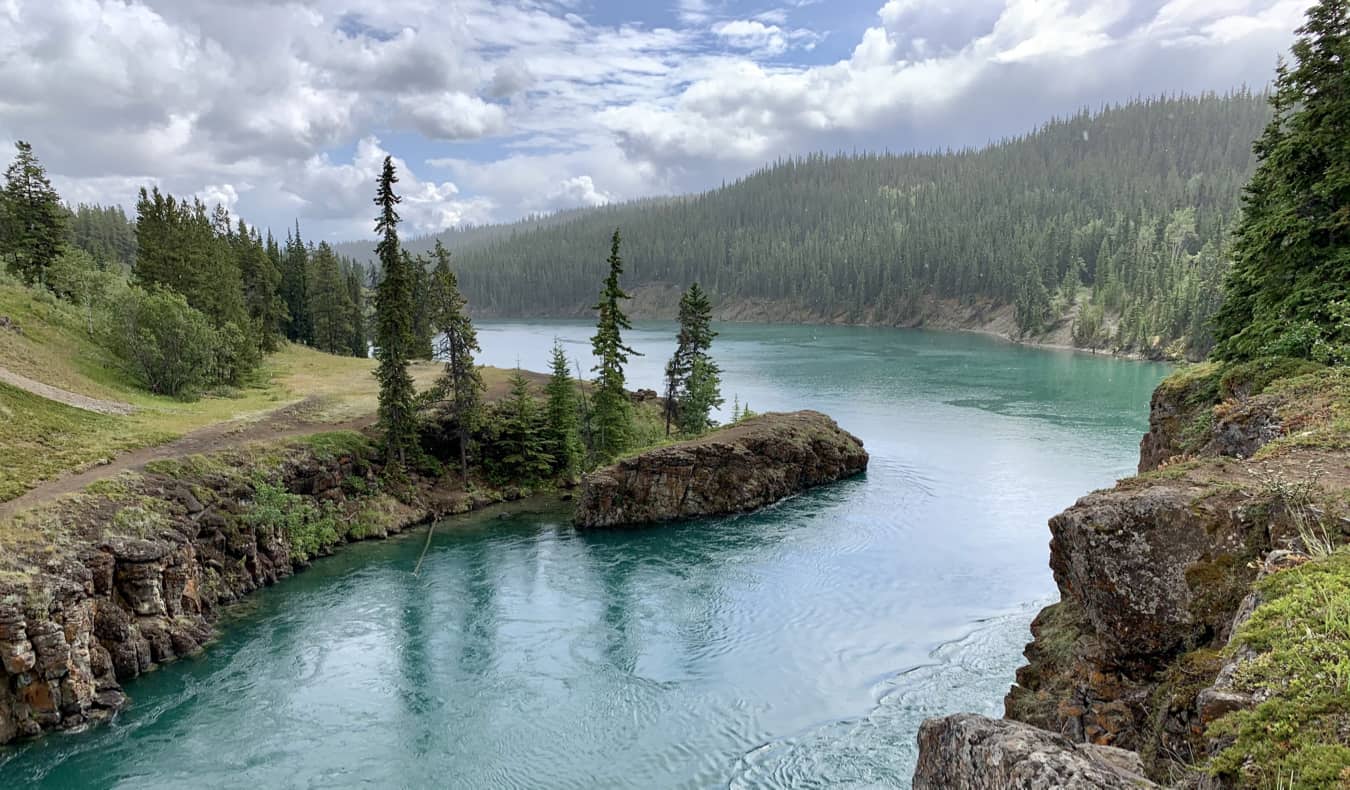
Almost all travelers start their journey in Whitehorse, which is both the Yukon’s capital and largest city, accounting for roughly 70% of the territory’s total population. All major highways pass through here, most rental car agencies are headquartered here, and its Erik Nielsen International Airport offers direct flights to all over Canada, as well as to Alaska.
I’d liken Whitehorse to an Austin or Portland of the North; it’s one of the hippest cities I’ve seen in Western Canada. With three days to enjoy, here are some things to do:
- Take in some local history — The four-story MacBride Museum of Yukon History downtown covers every aspect of the territory, with exhibits on the region’s wildlife, art, and Indigenous peoples; the Alaska Highway; and the Klondike Gold Rush, to name just a few.
- Hike Miles Canyon — South of town, the Yukon River has carved a deep canyon that is now home to a network of hiking and biking trails, all anchored by the Miles Canyon Suspension Bridge. According to almost every local I spoke to, the bright blue water here offers the most scenic view in town!
- Eat at the Fireweed Market — If you’re lucky enough to be visiting on a Thursday evening in the summer, swing by the territory’s largest outdoor market. It’s a delicious mix of food trucks, bakers, local artisans, and buskers that gives the markets in Toronto (my hometown) a run for their money. But get here early — some of the locals’ favorite treats can sell out quickly.
- Train with Iditarod sled dogs — Dog lovers, rejoice! In winter, head to the outskirts of Whitehorse to find a range of local sled-dog champions who are happy to offer kennel visits and training runs with a team of race-ready huskies. And don’t worry, you can still visit in the summer (just be ready to race in an ATV instead of a sled). I used Alayuk Adventures near Mt. Lorne and have nothing but praise for Marcelle and her dogs.
- Tour the S.S. Klondike — Now permanently dry-docked next to the river it used to ply, this historic touring ship operated by Parks Canada gives you the run-down on the long and haphazard history of Yukon River paddle wheelers, all while onboard one of the largest ones ever built.
Where to stay
- Beez Kneez Bakpakers — The only true hostel in Whitehorse, Beez Kneez is full of perks, including free Wi-Fi, free coffee, laundry service, and a full kitchen.
Tip: Get gas before leaving major population centers. Not only can it be up to 50% more expensive at smaller stations in the backcountry, but you don’t want to risk running out of fuel in the Yukon wilderness. In the far north, you can drive hundreds of miles between gas stations, so fill up wherever you can.
Days 4–5: Dawson City
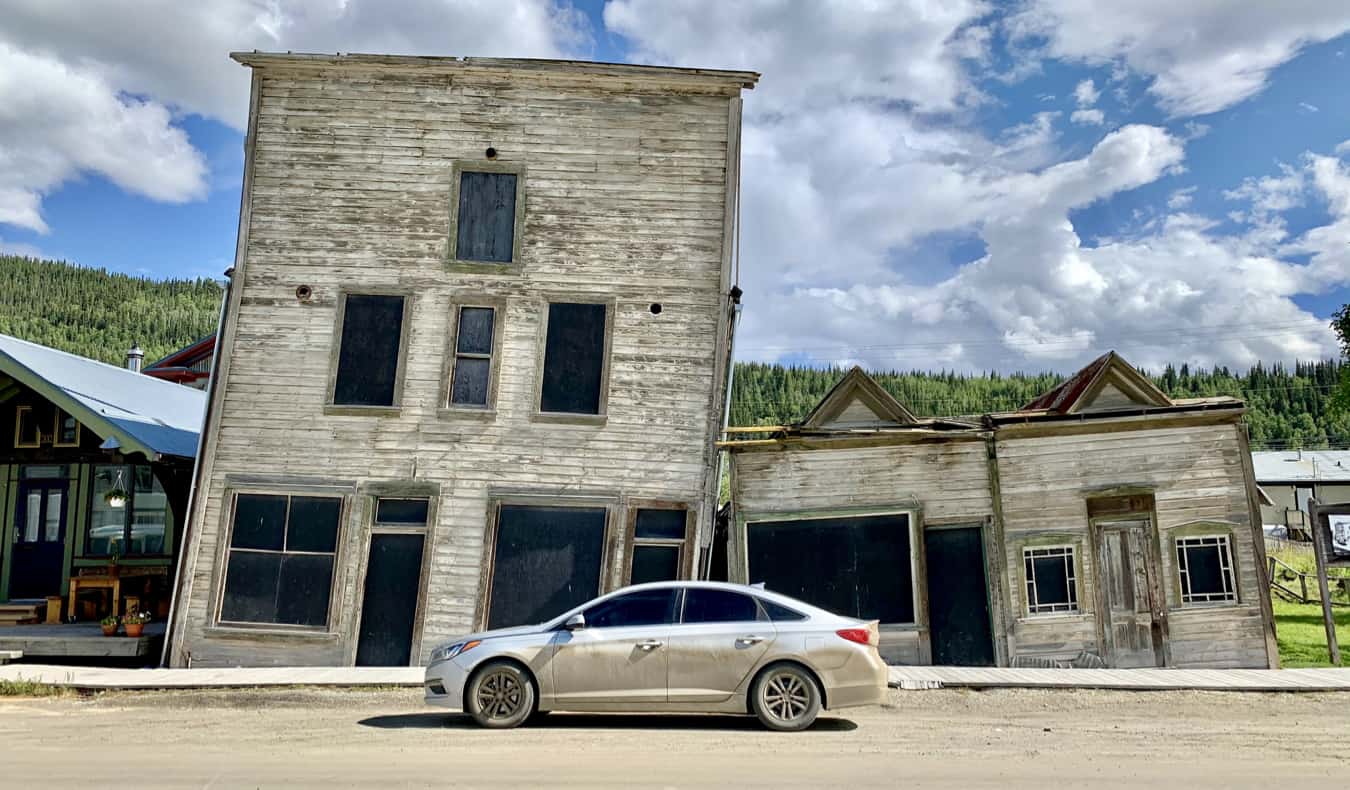
At the height of the Klondike Gold Rush in 1898, Dawson City boasted a population higher than the entire Yukon Territory has today. It’s a textbook boomtown and has preserved its heritage well, maintaining its authentic dirt roads, wood plank sidewalks, and turn-of-the-century buildings.
The drive to Dawson City can be done in as little as five hours from Whitehorse, but that’s without accounting for the numerous viewpoints, roadside hikes, and likely construction delays en route.
Here are a handful of things I’d recommend during your first of two stays in Dawson:
- Drink the Sourtoe Cocktail — This is the quintessential Dawson City activity. The rules for this drink are simple: head to the Sourdough Saloon, order a shot of Canadian whiskey, and down your drink with a mummified human toe in it. And remember: “You can drink it fast or you can drink it slow, but your lips must touch the toe!”
- Visit Dredge No. 4 — South of Dawson City lies the largest gold dredge ever built, a floating fortress that now preserves the gold mining history of the Klondike. It’s recommended to reserve a tour in advance, as it can fill up quickly in peak season.
- Pan for gold — While there are a number of tourist traps throughout the Yukon that offer gold panning in stocked troughs, Claim No. 6 is the real deal. Registered by the government for public use, this stretch of Bonanza Creek near Dredge No. 4 is about as genuine as you can get. I didn’t find any gold nuggets there, but I did snag some gorgeous quartz and polished stones. Be sure to pick up a free gold pan from the Dawson City Visitor Center before you set out!
- Drive to the Midnight Dome — On a hill above town, travelers can find a scenic overlook providing a sweeping view of Dawson City and the surrounding valley. You have two options to get there: a winding road around the mountain, or a very steep hike from downtown.
Where to stay
- Downtown Hotel — This property is one of the cheapest in town, and offers perks for guests. When I checked in, I got 2-for-1 drink coupons at its bar (the famed Sourdough Saloon) and a discount at the in-house Jack London Grill.
- Dawson City River Hostel — Situated in West Dawson, this is the northernmost hostel in Canada! Long a hit with backpackers (especially Europeans), it offers dorms, private rooms, a sauna, canoe rentals, and even free bicycle parts. No credit cards.
Days 6-8: The Dempster Highway
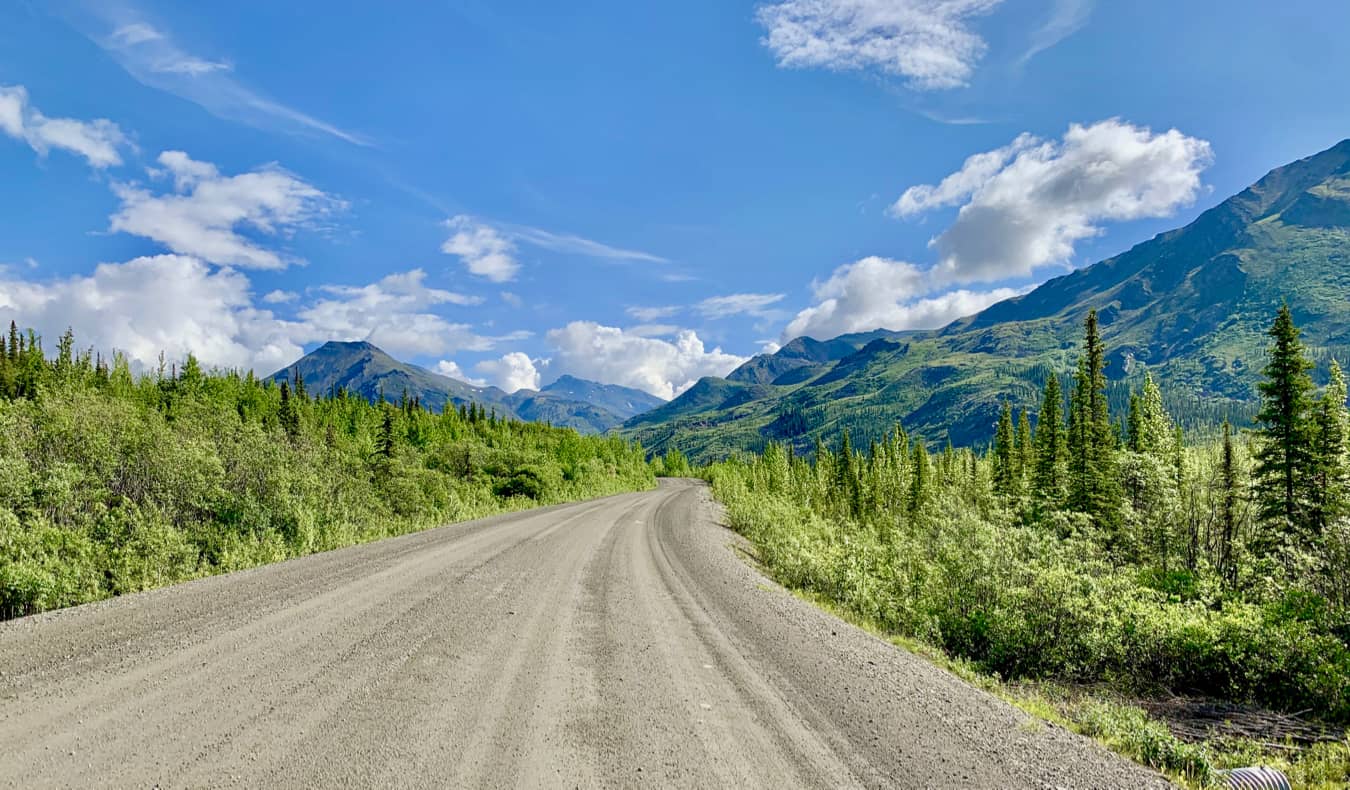
Now the real adventure begins. You’ll find the start of this 571-mile highway twenty minutes east of Dawson City, taking you all the way from the Yukon’s interior to the Arctic Ocean in the Northwest Territories.
The Yukon portion of the highway runs for about 300 miles (482km) through the Tombstone mountain range and endless pristine wilderness, crossing the Arctic Circle. While the drive was tough on both me and my vehicle, the sights and experiences along the way were worth it:
- Hike Tombstone Territorial Park — I think the most striking scenery on the Dempster Highway can be found just an hour into the drive, where you can enjoy jagged mountains and snaking rivers in this no-fee, off-trail territorial park. I stopped by the Visitor Center at kilometer 71 for all the information I needed.
- Stand on the Arctic Circle — There’s no better photo op to prove you experienced the True North than standing on the Arctic Circle, 30 minutes north of Eagle Plains, the only settlement in the area. Soon after, the tree line ends and you’ll be driving through barren tundra.
- See the Midnight Sun or Northern Lights — Depending on the season, you will likely be far enough north to see either 24-hour darkness and the aurora borealis, or 24-hour daylight when the sun never sets. Bring a flashlight or an eye mask accordingly.
- Watch wildlife — Black bears, marmots, foxes, moose, eagles, and herds of caribou so dense they darken the tundra are just a handful of the animals you might encounter on the Dempster Highway. Personally, I saw more wildlife on this stretch of road than I did in the rest of the territory combined. Binoculars are encouraged!
Tip: Prep your car! I cannot stress this enough: the Dempster Highway will batter your car, no matter how rugged it is. Axle-snapping potholes, shredded tires, and broken windshields are not uncommon. At best, you’ll get away with a layer of inch-thick mud. Experienced truckers recommend having at least one full-size spare tire, road flares, a satellite phone, and a 4×4 vehicle (though I did it with no issues in a four-door sedan). Check road conditions here.
Where to stay
- Eagle Plains Motel — This place isn’t cheap, but it is clean, warm — and your only lodging option for 250 miles in either direction.
- Camping — The Yukon government operates a handful of self-register campsites for both tents and RVs along the Dempster Highway. All government campgrounds are cash-only, but they are inexpensive and operate on the honor system.
Note: If you’re renting a car for your Yukon trip, make sure you are allowed to take it on the Dempster Highway — and any other unpaved roads, for that matter. Due to the route’s rough nature, some rental agencies charge an additional fee for Dempster driving, while others ban it outright. For the best deals, use Discover Cars.
Days 9–10: Dawson City
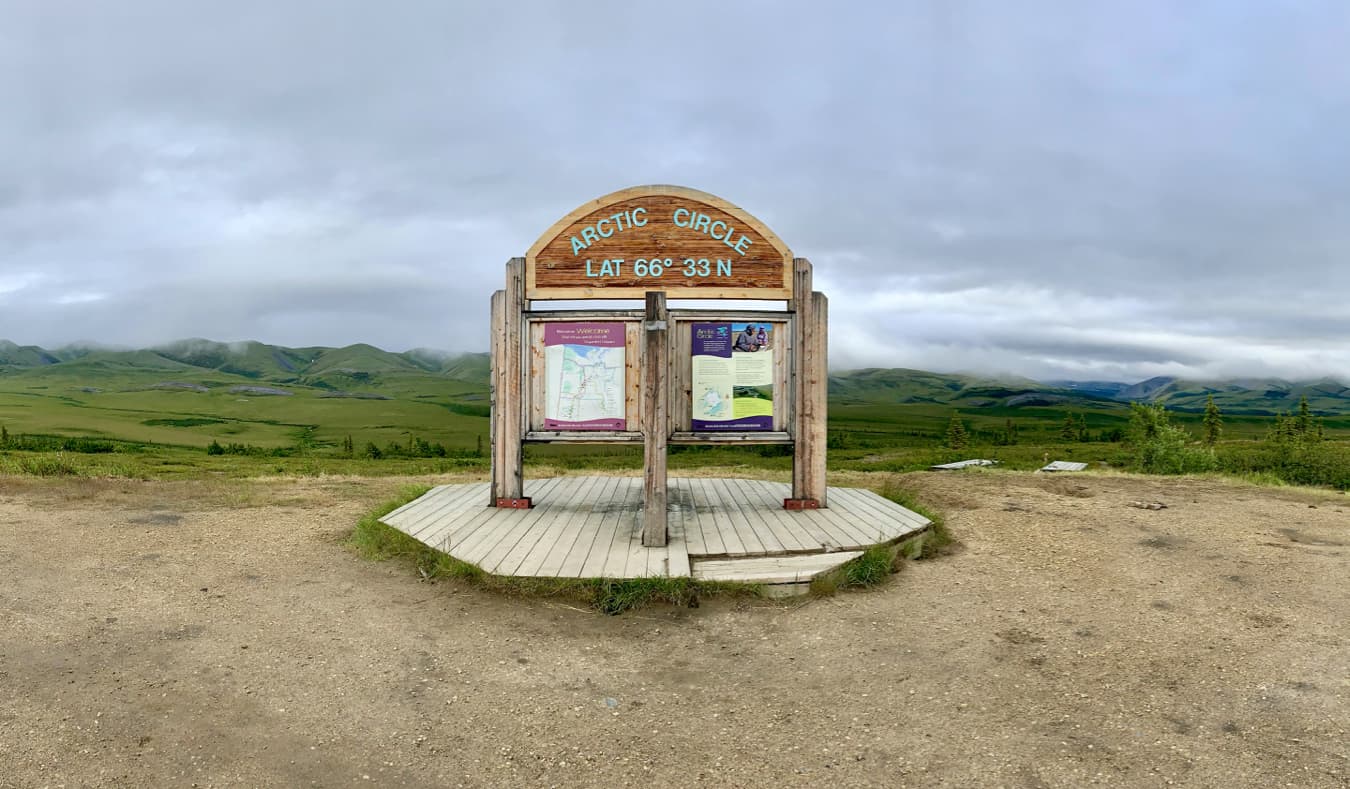
After a few days on the Dempster Highway, nothing felt better than returning to paved roads. While Dawson City is small by any standard, with just roughly 1,500 residents (it’s not even legally a “city” anymore), there is plenty to do here to occupy four days, broken up into two two-night segments. Upon your return to this historic town, here are some activities to make the most of your stay:
- Check out the Dawson City Firefighters Museum — Located at the north end of town, this by-donation museum houses more than a hundred years of Dawson City’s firefighting history. It’s overseen by a former local fire chief who gave me a very personal guided tour of the old trucks he once drove and the blazes he put out.
- Have a drink at Bombay Peggy’s — To celebrate the end of your Dempster Highway adventure, head for Bombay Peggy’s. It’s a fully restored brothel that serves the best mixed drinks and martinis in Dawson, according to every local I spoke with. And see if you can find out how Peggy got her nickname!
- Explore the “Paddlewheel Graveyard” — Along the riverbank in West Dawson, nearly a dozen paddlewheel ships from the early 1900s have been wrecked on the beach, offering photographers and urban explorers the chance to see some unique Yukon ruins. But don’t make my mistake: bring waterproof shoes if you have a pair.
- Press your luck at Gertie’s — There’s not a person in Dawson who won’t point you to Diamond Tooth Gertie’s Gambling Hall for a night of fun. Whether your vice is the casino (like me), the bar (like me), or the nightly can-can dance shows, there’s something for everyone under Gertie’s roof.
Where to stay
- The Bunkhouse — Centrally located, this historic hotel has free parking, the fastest Wi-Fi I used in the Yukon, and, if you’re really on a tight budget, smaller private rooms with shared bathrooms.
- Camping — Take the free 24-hour ferry over to West Dawson and pitch your tent (or park your RV) at the Yukon River Campground. It’s first-come-first-served, but because the site is one of the largest campgrounds in the territory.
Day 11: Faro
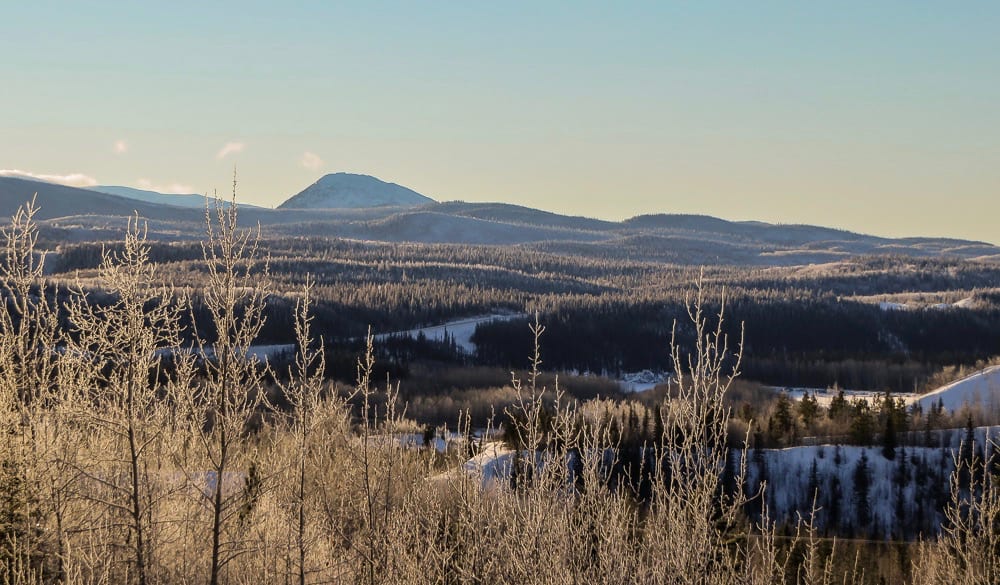
Due to the sparse layout of highways in the Yukon, road trips here can involve a lot of backtracking. But don’t worry, there’s a little-discussed secondary route that eventually leads back to civilization: the Campbell Highway.
Cutting through some of the most unspoiled scenery in North America, this road is arguably more remote than the Arctic Dempster Highway — and depending on weather conditions, it can be even more of a challenge.
After a long day’s drive in the backcountry, your best choice is to overnight in Faro, a small mining community named after a card game. Here are some things to check out:
- Visit the Campbell Region Interpretive Centre — There’s no better place to learn the backstory of the Campbell River region and its eponymous explorer than this small-town museum and visitor center, located in the heart of Faro.
- Golf — Despite a population of just a few hundred residents, the layout of tiny Faro is unique, because there’s a nine-hole golf course running right through the middle of town. For an afternoon of fun, rent a set of clubs and hit the links at the Far North’s quirkiest green.
Where to stay
- Airbnb — While Airbnb hosts are few and far between in this part of the Yukon, I suggest checking out this hidden gem outside of Faro. An off-the-grid cabin situated in true wilderness, this rustic stay offers homemade baked goods, canoe rentals, and even a vegetable garden to eat from.
Day 12: Watson Lake
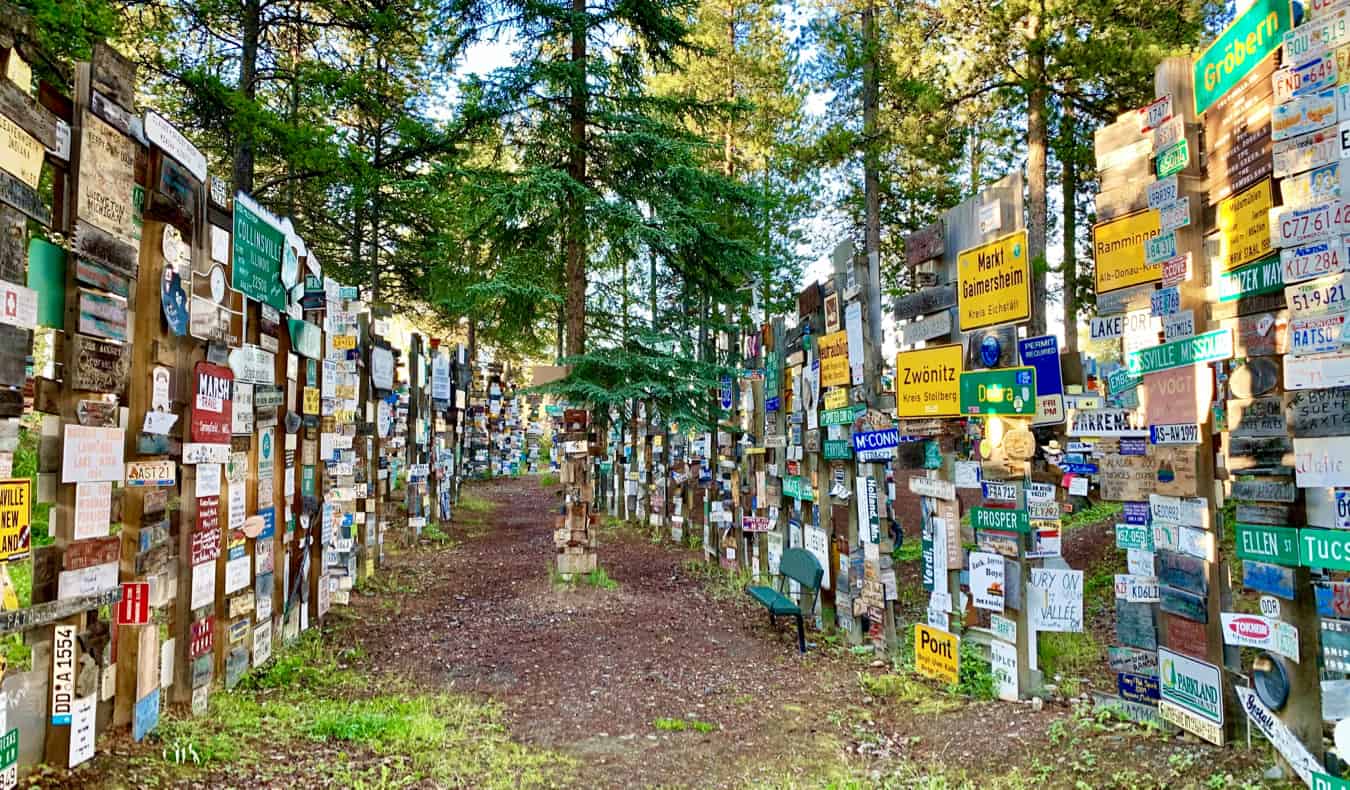
After conquering the remaining five hours of Campbell Highway between Faro and the Alaska Highway, return to pavement once and for all in Watson Lake, a small settlement just north of the British Columbia border. While this remote shred of civilization is hardly bustling, it’s the ideal place to recharge with a warm bed, decent cell phone reception, and a good meal (like the best Chinese food in the Yukon — trust me, I tried almost all of them). Check out some of these attractions in the region:
- Cross the Ross River Suspension Bridge — Built in the 1940s to support the ill-fated Canol Pipeline, this wooden suspension bridge towers over one of the only other towns on the Campbell Highway. Here, the only signs of human civilization are the rusting hulks of trucks and cranes once used to build the pipeline. Required listening: “Canol Road” by legendary Canadian folk singer Stan Rogers.
- Learn about the Northern Lights — In the winter, Watson Lake is one of the most popular places in the territory to view the aurora borealis. But whether or not you’re around to see them in the sky, you can learn about this dazzling phenomenon year-round at the local Northern Lights Centre.
- Wander the Sign Post Forest — Any local will tell you, this is the town’s best attraction. Started by a homesick soldier who first posted a sign pointing to his hometown in Illinois, this literal forest has grown to include tens of thousands of road signs, license plates, and other markers from around the world. As a world traveler and license plate collector, this was my version of heaven.
- Add a sign — It’s not just permitted to leave your mark on the Sign Post Forest, it’s encouraged! Whether you bring a souvenir sign from home or create your own at the visitor center’s small sign-making station, travelers passing through are the ones who keep this attraction growing.
Where to stay
- Air Force Lodge — Located in refurbished World War II barracks, this hotel offers one of the best deals in town, with reasonably priced private rooms (most have shared bathrooms).
Days 13–15: Whitehorse
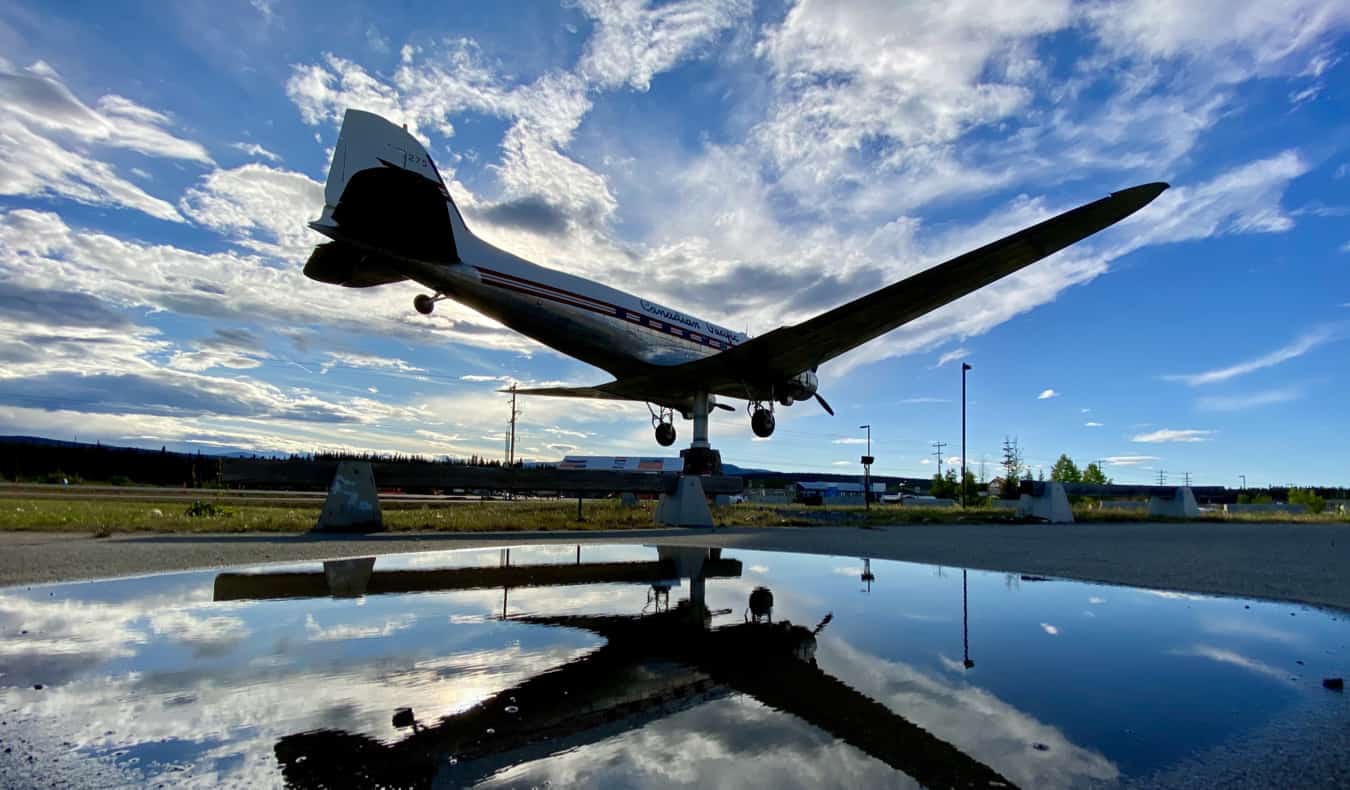
Following nearly two weeks on the road in the Klondike, it’s now time for one last ride down the winding Alaska Highway and a return to Whitehorse. To complete your northern journey, here are a few things to see on the route and what to do once you’re back in town:
- Visit the George Johnston Museum — Located on the shores of Teslin Lake, about halfway between Watson Lake and Whitehorse, this small-town museum focuses on the lives of the local Tlingit Indigenous people and is highly informative.
- Swim in the Takhini Hot Pools — These steaming hot springs have been in operation for over a hundred years, warming locals and tourists alike in chilly Whitehorse. If you visit on a day when the temperature is at least -20°C, be sure to enter the Hair Freezing Contest for a chance to win $2,000 CAD.
- Take a day trip to Carcross — This is where at age seven I first laid eyes on the Yukon. With some time to spare, take a trip to this quaint town 45 minutes south of Whitehorse. The terminus of the scenic White Pass & Yukon Railroad that connects to the Alaskan coast, Carcross also lays claim to the oldest store in the Yukon and a patch of sand dunes billed as the world’s northernmost desert.
- Drink at the Yukon Brewing Company — In the world of craft brews, the Yukon Brewing Company is known as one of the most prolific brands in Canada’s north. Ales, lagers, and IPAs are all on offer at this famous Whitehorse brewery.
Where to stay
- Hot Springs Campground & Suites — Offers comfortable, spacious private rooms as well as affordable camping options.
This two-week itinerary covers almost all the Yukon has to offer in a reasonable amount of time, but, for the true outdoorsman or dedicated explorer, there is much more than can be seen with an additional week: Canada’s highest mountain in Kluane National Park, a perfectly preserved mining town at Keno City, and the scenic White Pass & Yukon Railroad into Alaska, just to name a few.
Yukon is one of the least explored and most underrated parts of Canada. It’s the perfect place for a road trip, to get away from the crowds, and to get closer to nature. Enjoy!
Ethan Jakob Craft is a journalist, dual American-Canadian citizen, and lifelong traveler who visited all 50 U.S. states before he could legally have a beer in any of them. Recent trips have taken him to the Arctic Circle, Mexico, Morocco, and the Azores in his long-term quest to visit every corner of the globe. Ethan is currently based in Toronto, Canada.
Book Your Trip to Canada: Logistical Tips and Tricks
Book Your Flight
Use Skyscanner to find a cheap flight. They are my favorite search engine because they search websites and airlines around the globe so you always know no stone is left unturned.
Book Your Accommodation
You can book your hostel with Hostelworld as they have the biggest inventory and best deals. If you want to stay somewhere other than a hostel, use Booking.com as they consistently return the cheapest rates for guesthouses and cheap hotels.
Don’t Forget Travel Insurance
Travel insurance will protect you against illness, injury, theft, and cancellations. It’s comprehensive protection in case anything goes wrong. I never go on a trip without it as I’ve had to use it many times in the past. My favorite companies that offer the best service and value are:
- Safety Wing (best for everyone)
- Insure My Trip (for those over 70)
- Medjet (for additional evacuation coverage)
Need an Affordable Rental Car?
Discover Cars is a budget-friendly international car rental website. No matter where you’re headed, they’ll be able to find the best — and cheapest — rental for your trip!
Looking for the Best Companies to Save Money With?
Check out my resource page for the best companies to use when you travel. I list all the ones I use to save money when I’m on the road. They will save you money when you travel too.
Want More Information on Canada?
Be sure to visit my robust destination guide on Canada for even more planning tips!
Photo credit: 6 – Susan Drury
The post How to Road Trip the Yukon on a Budget appeared first on Nomadic Matt's Travel Site.
]]>The post How to See Alberta: A 10-Day Suggested Driving Itinerary appeared first on Nomadic Matt's Travel Site.
]]>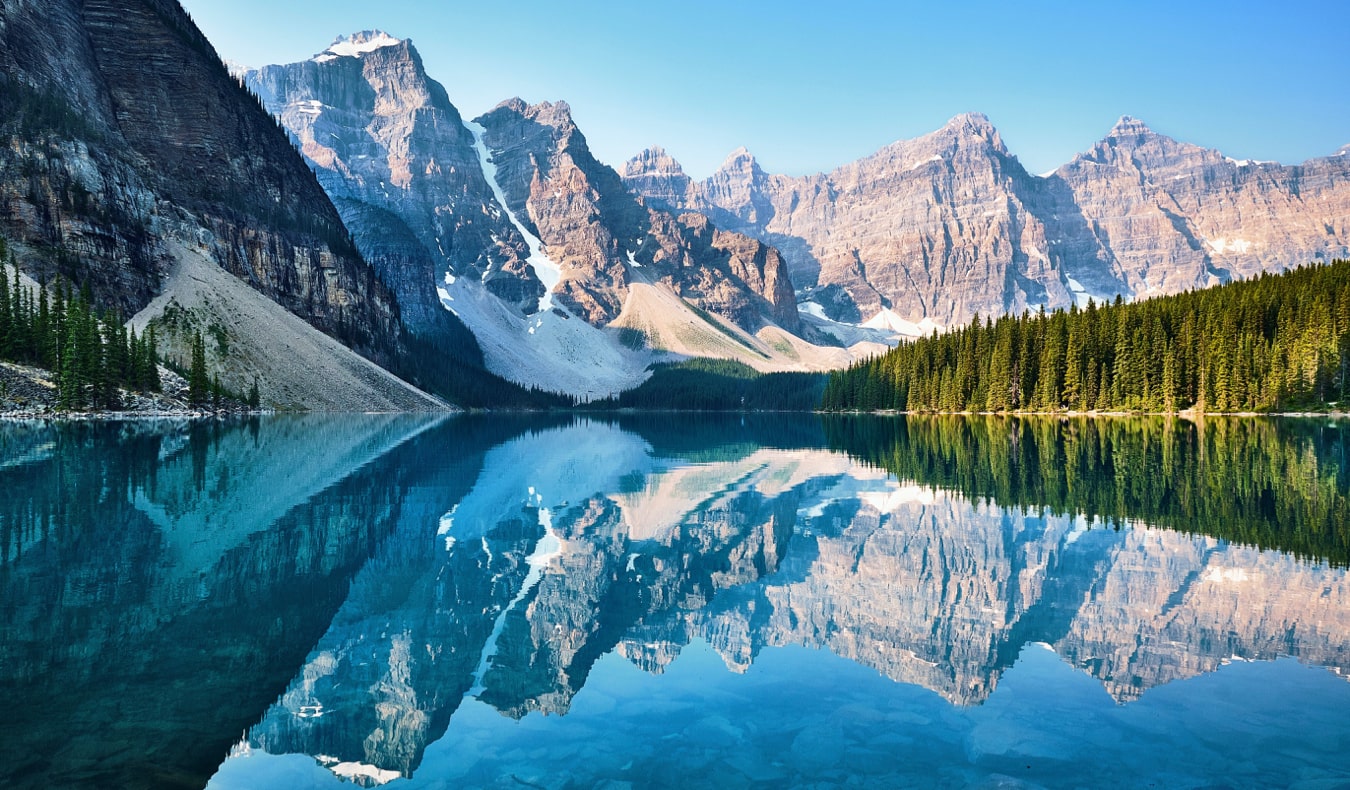
Dalene and Pete Heck, the duo behind Hecktic Travels is also the team at Road Trip Alberta! Dalene and Pete are Alberta raised and currently living in the province’s third-biggest city, Lethbridge. Alberta is one of the most scenic provinces in Canada and, today, Dalene shares a driving itinerary hitting many of her favorite Alberta sights.
Arguably Canada’s most beautiful province, Alberta is known primarily for the mountain hub of Banff National Park. Millions descend annually on Calgary airport and then high-tail it west for an hour and a half to visit this gem of the Rockies. The draw of Banff is entirely warranted but many of these visitors often miss out on everything else that Alberta has to offer.
Its cities are dynamic, other mountain towns are just as gorgeous and with fewer tourists, the southeastern side of the province is home to a trove of dinosaur bones, and the north is covered in lush forests and teeming with wildlife and outdoor adventures eager to be had.
As a born-and-raised Albertan, I left in my early thirties to see more of the world, craving exploration. When I returned almost a decade later, I did so with fresh eyes and an appreciation for the land that shaped me.
This article outlines a ten-day road trip itinerary shares some of my favorite spots in the province that will help you see more than crowds of tourists in Banff!
Day 1: Calgary
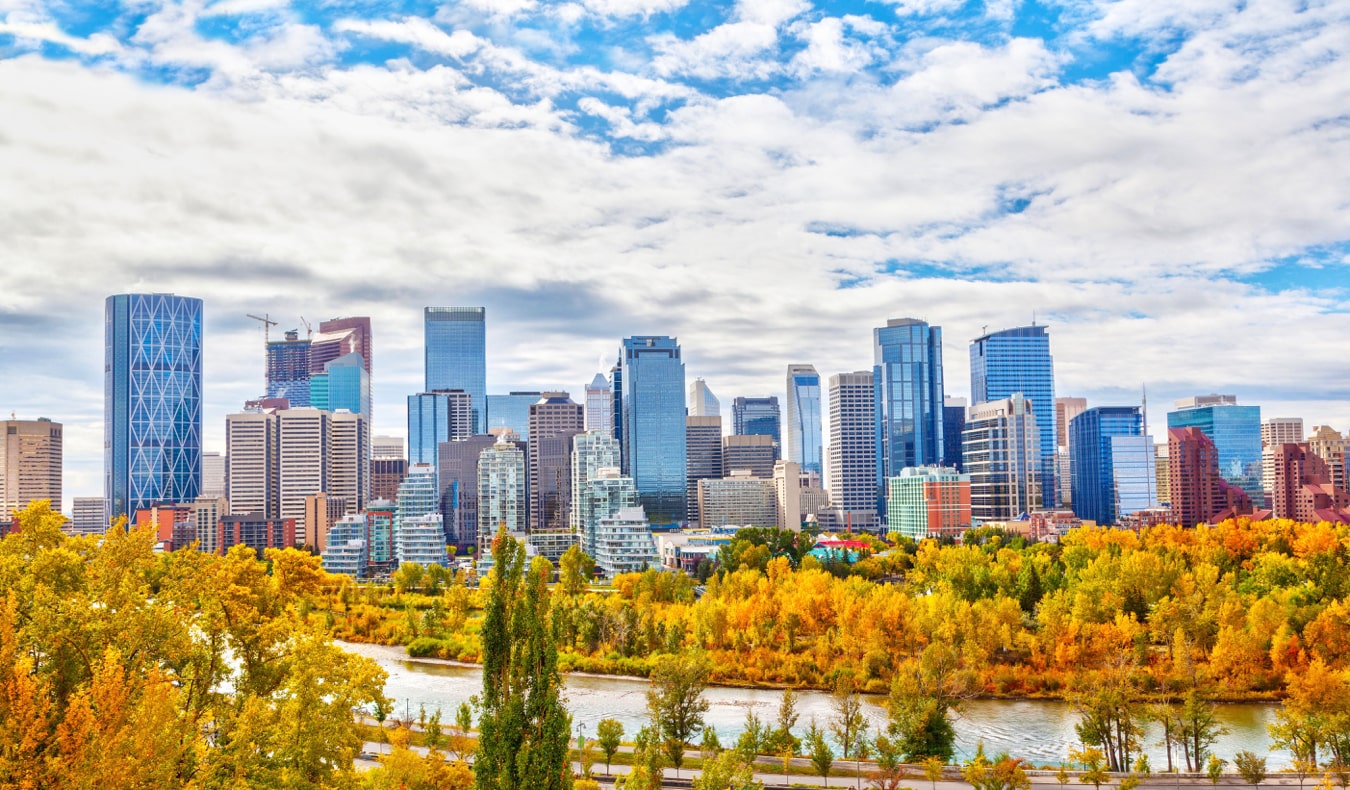
Dubbed “Cowtown” due to its roots in the cattle industry, Calgary is Alberta’s largest city (1.37 million people). Balancing modern urban architecture with friendly, small-town vibes, Calgary is a curious melting pot of folks from many backgrounds. It’s also home to an array of activities and a trendy food scene that will ensure that your days and tummies are full.
Start Downtown
Explore the Bow River’s network of walking and biking trails. See the prime photo spot of the Peace Bridge. For another prime photo op and to gaze upon an architectural wonder, don’t miss the Calgary Public Library, which was named one of the 100 Greatest Places of 2019 by Time magazine.
Not far from the library is Prince’s Island Park, which is a hub for cultural events. It’s home to the Calgary Folk Music Festival (in late July) and the esteemed River Café (a pricey restaurant but well worth it), and near to Eau Claire Market, which has some mouth-watering eats and specialty merchandise.
Fuel Up on Good Eats
If you’re downtown and looking for a quick but memorable bite, head to the First Street Market for a varied food court without any chain restaurants. While there, dive into tacos at Moose and Pancho — the birria can’t be missed; the au jus alone is dangerously drinkable. Another one of my faves is Model Milk, a top innovative restaurants in the city that heavily uses local ingredients. It’s so good that even Pedro Pascal named it one of his fave restaurants while on location filming The Last of Us.
Consider Planning Your Visit Around These Festivals
The Calgary Stampede — also known as “the greatest outdoor show on earth” — takes over the city for ten days in early July. The world-class rodeo is just one facet of the event. There’s also a spectacular grandstand show plus all the rides and deep-fried festival foods you would expect. It’s also a giant, messy party too.
Beakerhead, held annually in mid-September, brings together the worlds of art, science, and engineering. Imagine a massive party filled with fire-shooting robots, an interactive science lesson on how to make the best chocolate chip cookie, and playing a giant life-sized version of Snakes & Ladders. It’s the best nerd party of the year.
Where to stay in Calgary
- Canada’s Best Value Inn Chinook Station – Located near the Chinook LRT Station, this hotel features a continental breakfast, with rooms available starting as low as $49 CAD/night.
- HI Calgary City Centre – If you happen to be a member of HI Canada, consider this hostel, located in the downtown core, just a two-minute walk to the C-train (local transit) station.
- Hotel Arts – For more upscale and eclectic lodging near downtown, this hotel has top-rated amenities for a reasonable price.
Day 2: Banff
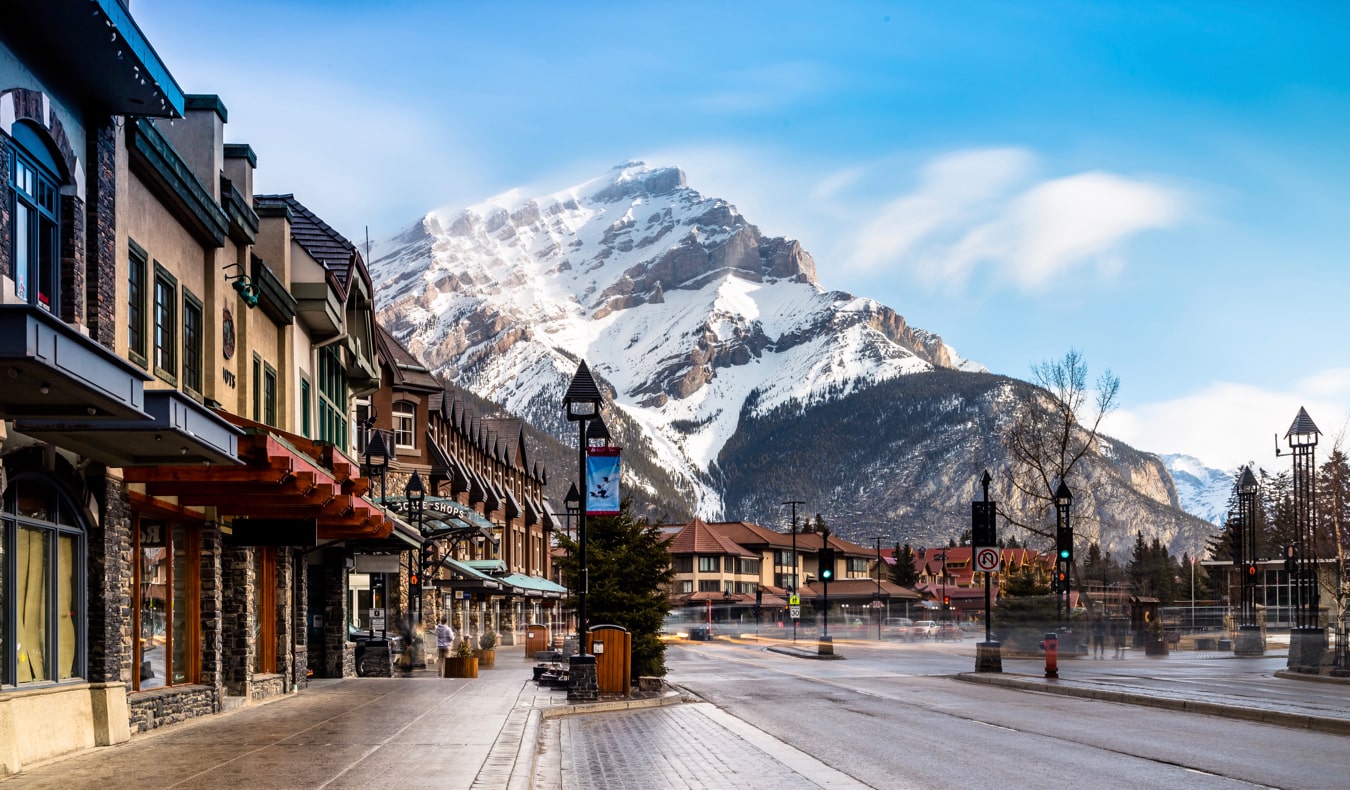
Next, head from Calgary to Banff, which takes about an hour and a half by car.
Note: You’ll need to purchase a park pass upon arrival at the gates just outside of town, or you can buy one online. The current daily rate for an adult is $11 CAD, and it will expire at 4:00 pm the following day.
If you’re planning on visiting multiple parks, you might consider a Parks Canada “Discovery Pass” for $75.25 CAD, which can be used for multiple days and will grant you entry to all Canadian national parks for one full year.
There are too many amazing hikes to list, but start with the iconic Johnston Canyon. Keep it short with a 30-minute walk to the Lower Falls, or plan for a full four-hour trek all the way to the Ink Pots. (For more info, read this guide to hiking in Banff.)
To really get the adrenaline pumping, head to Mt. Norquay for the Via Ferrata hike. Cross suspension bridges and climb ladders on the edge of a mountain, all while safely harnessed and led by an experienced guide.
There are also plenty of options for canoeing, kayaking, and stand-up paddleboarding on a number of nearby lakes. Visit the Banff Canoe Club in town for rentals.
Winter is a prime time to visit if you’re a ski bunny. Three mountains in the area known collectively as Ski Big 3 (Banff Sunshine, the Lake Louise Ski Resort, and Mt. Norquay) are all world-class.
Be sure to take the Banff Gondola up Sulphur Mountain for some epic views. It’s open year-round, and it has an impressive interpretive center and scenic boardwalk at the top, and even two restaurants.
Nearby is also the stunning Banff Upper Hot Springs.
Where to Eat
Wild Flour Bakery, known for its nourishing baked goods and good coffee, is an excellent stop to fill your tank at any time of day.
Eager to try some Canadian wild meats? Head to the Grizzly House to cook up your own bison, elk, or a number of other options using a hot stone at your table. The decor is severely outdated, but the experience is a must-do. Not a meat-eater? Head to Nourish Bistro for the best plant-based food in Banff.
Where to Stay in Banff
- Banff International Hostel – Just a few blocks from the heart of downtown, this hostel is a comfortable place to rest your head after a long day of exploring!
- YWCA Banff Hotel – The perfect hideaway in the mountains for those looking for a comfortable and budget-friendly accommodation.
- HI Banff Alpine Centre – If you’re a member of the HI community, you may want to stay at this location, the largest hostel in Alberta.
Day 3: Banff and Lake Louise
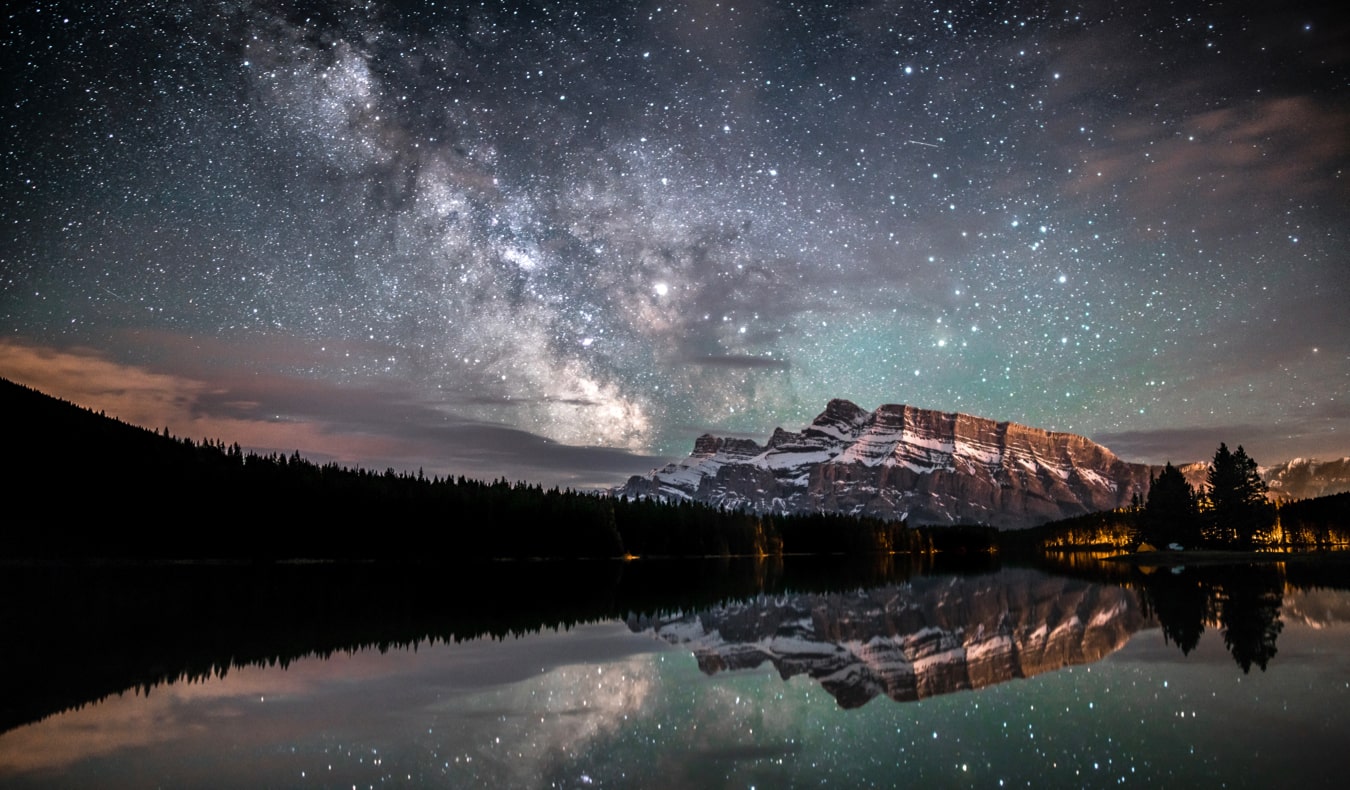
If you’re an early riser, head 15 minutes north to Two Jack Lake to catch a gorgeous sunrise. If it’s a clearer morning, bright red, orange, and purple will stain the sky and lake, silhouetting the mountain and creating a truly epic sight.
If there was anything left on your to-do list from the day before, finish that up now, but plan for almost a whole day around Lake Louise.
While in Lake Louise….
The Fairmont Chateau Lake Louise is the major draw in the area, and walking its halls is a must before you venture on any number of outdoor activities.
If you are there in summer, consider the Lake Agnes Tea House hike for its views and the unique experience of taking tea on top of the world (remember to bring cash, as they don’t have other payment options on-site). It is a short 2.2mile (3.5 km) hike, but you can also continue on to Lake Agnes itself.
Feeling adventurous? Then take “the Tea House Challenge” and visit the other one, too, The Plain of Six Glaciers Tea House, for a 9 mile (14.5 km) total hike on the Highline Trail.
If you are there in winter, skating, snowshoeing, dog-sledding, sleigh rides, and more are all available from the hotel. You will have no problem filling your day in one of the most beautiful spots in all of Canada.
Dining options are fewer in the very small town of Lake Louise, but find the Trailhead Café for a budget-friendly and supremely delicious meal. There are also several options inside the Chateau itself, but I recommend Alpine Social for its laid-back atmosphere and hearty food.
Day 4: Driving from Banff to Jasper
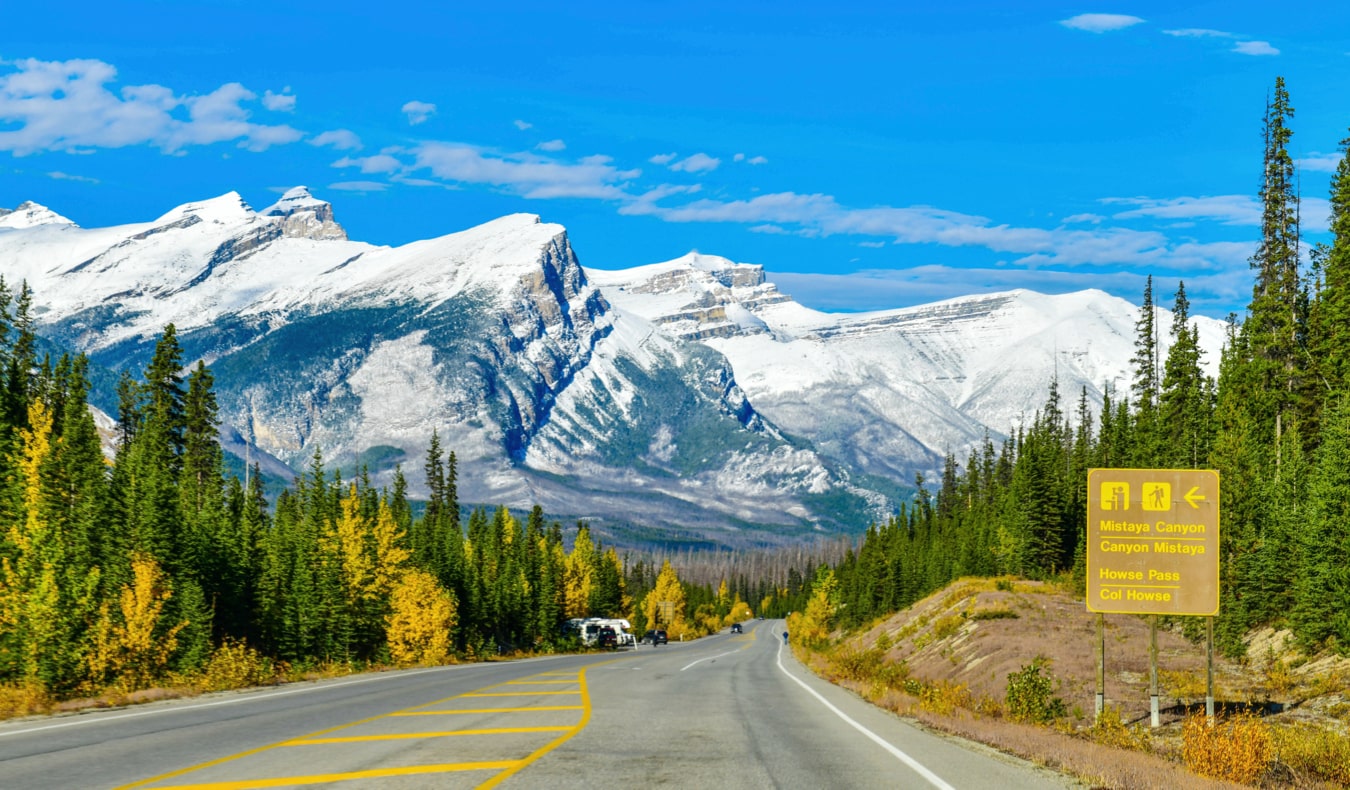
Drive from Banff to Jasper via the Icefields Parkway. The drive itself is about 3.5 hours, but I suggest that you plan for a whole day as there are lots of stops to make along the way.
The Icefields Parkway is breathtaking. Take it slow and stop often to really absorb the beauty of this day. (Do, however, consult the weather forecast and road conditions, as it can often be closed in winter.)
Making the Drive
Fill up the car with gas and pack a picnic lunch before leaving Banff, as there is only one place to stop for snacks en route (Saskatchewan River Crossing) but it is closed in winter. But once you are safely on your way, here are just a few of the stops you can make:
- Leave early to catch sunrise over Vermillion Lakes, just outside of Banff as you begin your journey north.
- Peyto Lake is a must-see. You have undoubtedly seen its image before; now it’s time to see it for yourself! From your car it’s just a short walk up a hill to get to the viewpoint and take in that stark aquamarine water from above.
- The Columbia Icefield, just an hour before Jasper, is the largest in the Canadian Rockies. You can take a tour to walk right on the glacier and/or take a stroll on the glass-floored Icefield Skywalk lookout to see everything from above.
There is much more to see! This Banff-to-Jasper article maps it all out for you.
Where to Stay in Jasper
- Jasper Downtown Hostel – Conveniently situated in the heart of downtown Jasper, this modern hostel won’t break the bank; its private rooms start as low as $63 CAD/night.
- Maligne Lodge – Conveniently tucked at the edge of Jasper’s main street, where the mountains end and the town begins, this is a great budget-friendly hotel.
Days 5 & 6: Jasper
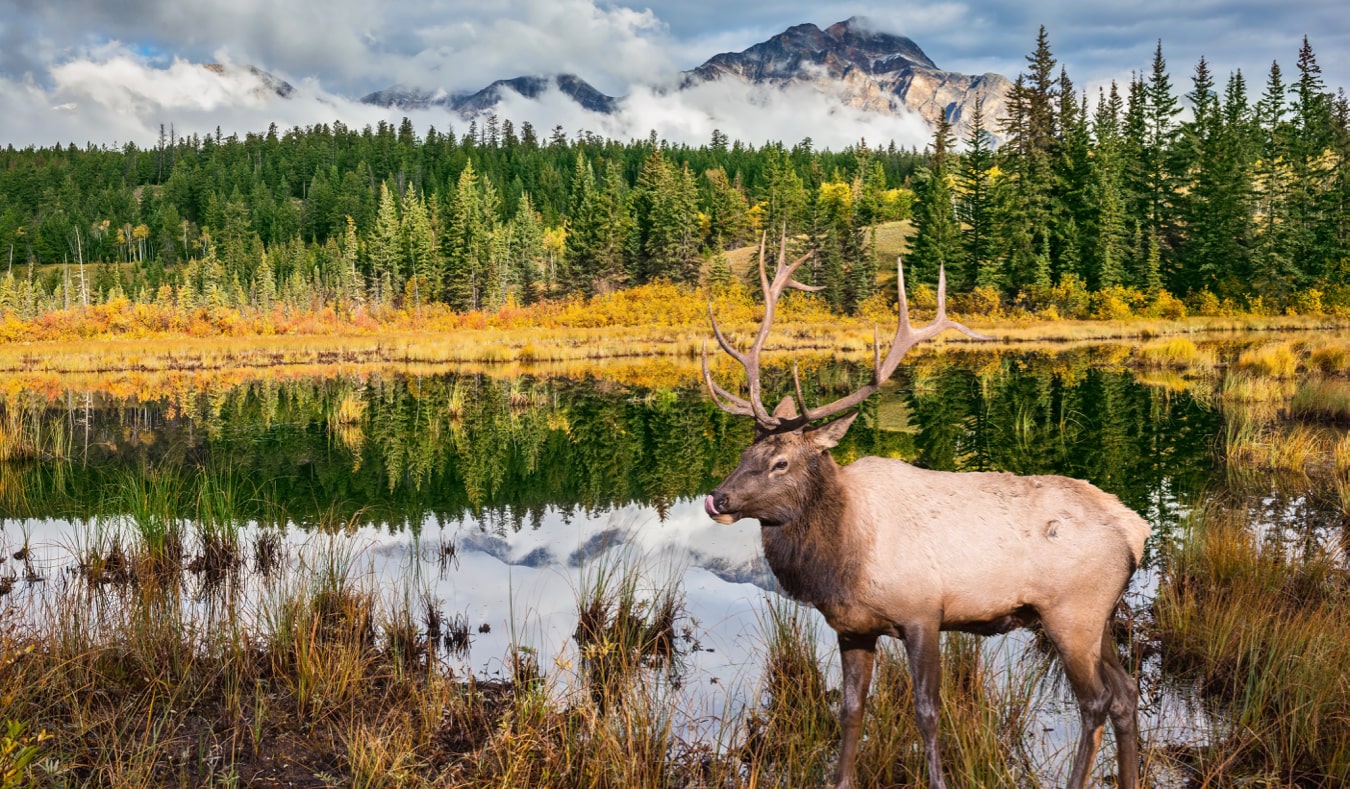
Jasper is the largest park in the Canadian Rockies and one of fifteen UNESCO World Heritage Sites in the country. Rougher around the edges than its southern brother Banff, it’s the spot to hit if you’re craving fewer crowds and small-town charm.
While the area experienced some devastation by the Jasper Wildfire Complex of summer 2024 (about 30% of the town was lost), the area remains as beautiful as ever and is wide open for visitors.
Spirit Island is one of the most photographed spots in Canada. You can canoe out there and reach this spot on Maligne Lake in half a day. If you don’t feel like doing that, boat cruises are available too!
Moreover, take advantage of your remote location and book a tour to see some iconic Canadian wildlife (bears, elk, mountain goats, moose, and more). While such encounters may occur by chance on your visit, a guided tour will increase your chances and is a great way to gain local knowledge.
Additionally, in October, the Jasper Dark Sky Festival takes place.The park has ideal conditions for this given that there is so little light pollution. If you can’t make it there, the Jasper Planetarium is open year-round for star viewing.
There are so many hiking options. Start with a short jaunt to Athabasca Falls (less than an hour round-trip), and then ramp up according to your fitness level. (See this article about best Jasper hikes to decide what comes next.)
Just north of town is Maligne Canyon, and in winter, you can walk on and explore the frozen river (be sure you have ice cleats on). In the summer, you can hike in the canyon, and the winding trail has six suspension bridges spanning the gorge.
Take a load off and ride up the Jasper Skytram to experience the best mountain views. On a clear day, you can even see peaks in neighboring British Columbia. Enjoy the seven-minute ride up and have a bite at the Summit Restaurant at the top.
Must-Eats
Stop at Bear’s Paw Bakery for breakfast or any time you need a snack; their baked goods are unmatched, and the coffee is especially excellent. Whistle Stop Pub is also good for a pint and snack. Canada’s very first national park brewery, Jasper Brewing Company, is also here. Along with six signature brews that are made on-site, the large restaurant offers elevated pub fare. While it is temporarily closed due to wildfire damage, it will reopen in spring of 2025.
Day 7: Driving from Jasper to Edmonton
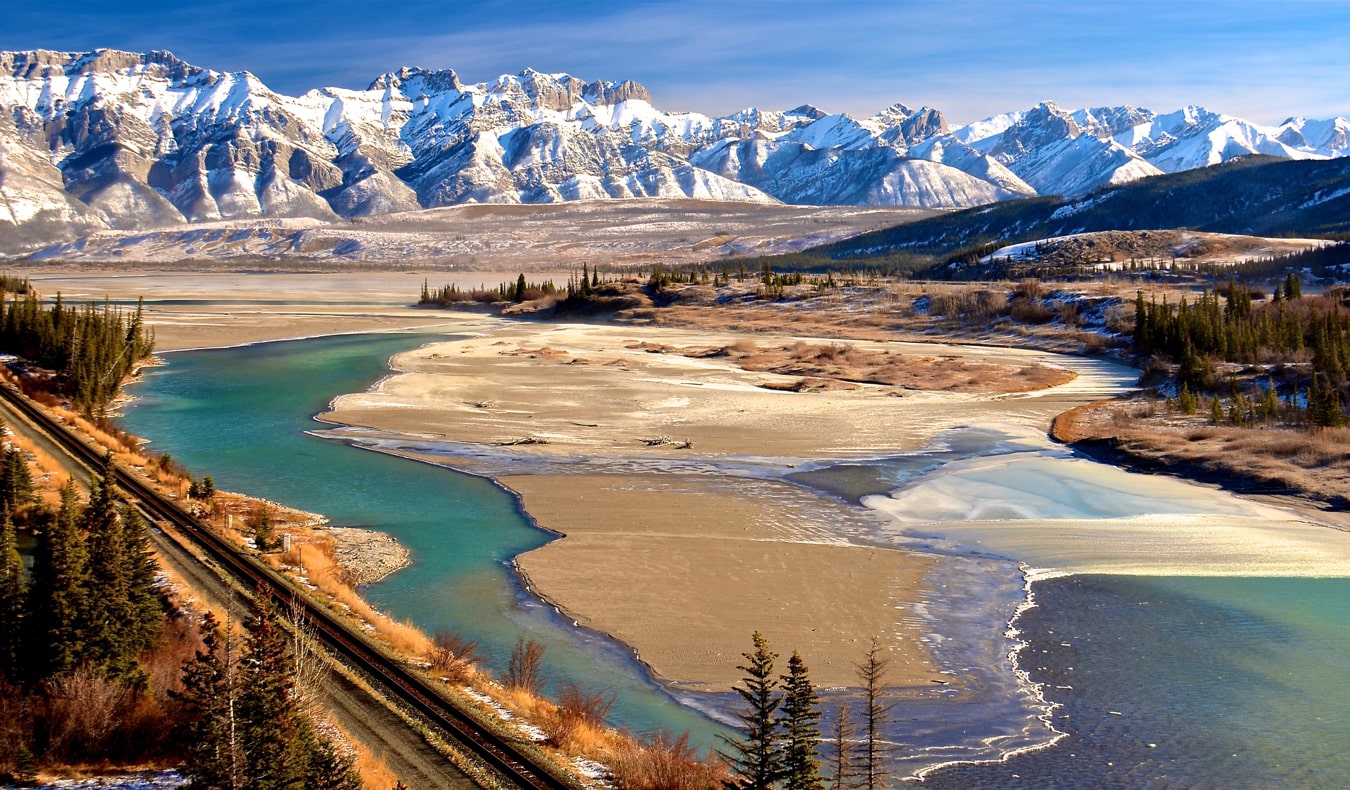
The four-hour drive from Jasper to Edmonton is not the most exciting (the scenic views drop off quickly outside of the national park), but there are a couple of stops you can make along the way to spice it up.
If you don’t hit up Miette Hot Springs during your stay in Jasper, then it’s an easy stop on the way out of town. It is home to the hottest spring water in the Canadian Rockies! It requires a little detour off of the main highway, but the drive through the Fiddle Valley alone makes it worth the trip.
An hour into your journey, you can make a stop in Hinton to see the most iconic of local wildlife: the humble beaver. Stretch your legs along the nearly 2 mile (3 km) Beaver Boardwalk, and hopefully, you’ll spot Canada’s national animal.
This is also a great place to plan to have lunch: The Old Grind has an extensive menu that includes vegetarian and vegan options.
Arriving in Edmonton
Depending on what time you left Jasper, the driving conditions you encountered (add more time in winter!), and how many stops you made along the way, you may arrive with extra time to explore Alberta’s capital city. And my guess is that those car-bound legs are going to need a stretch.
As you drive into the west side of Edmonton, this would be the perfect occasion to take a long walk in the largest mall in North America. West Edmonton Mall is home to over 800 stories and services, and it contains theme parks, multiple movie theaters, a ridiculously fun indoor water park, and even a large skating rink.
Enjoying the mall can easily take up the rest of your day (and the next one, if you are a shopper).
Days 8 & 9: Edmonton
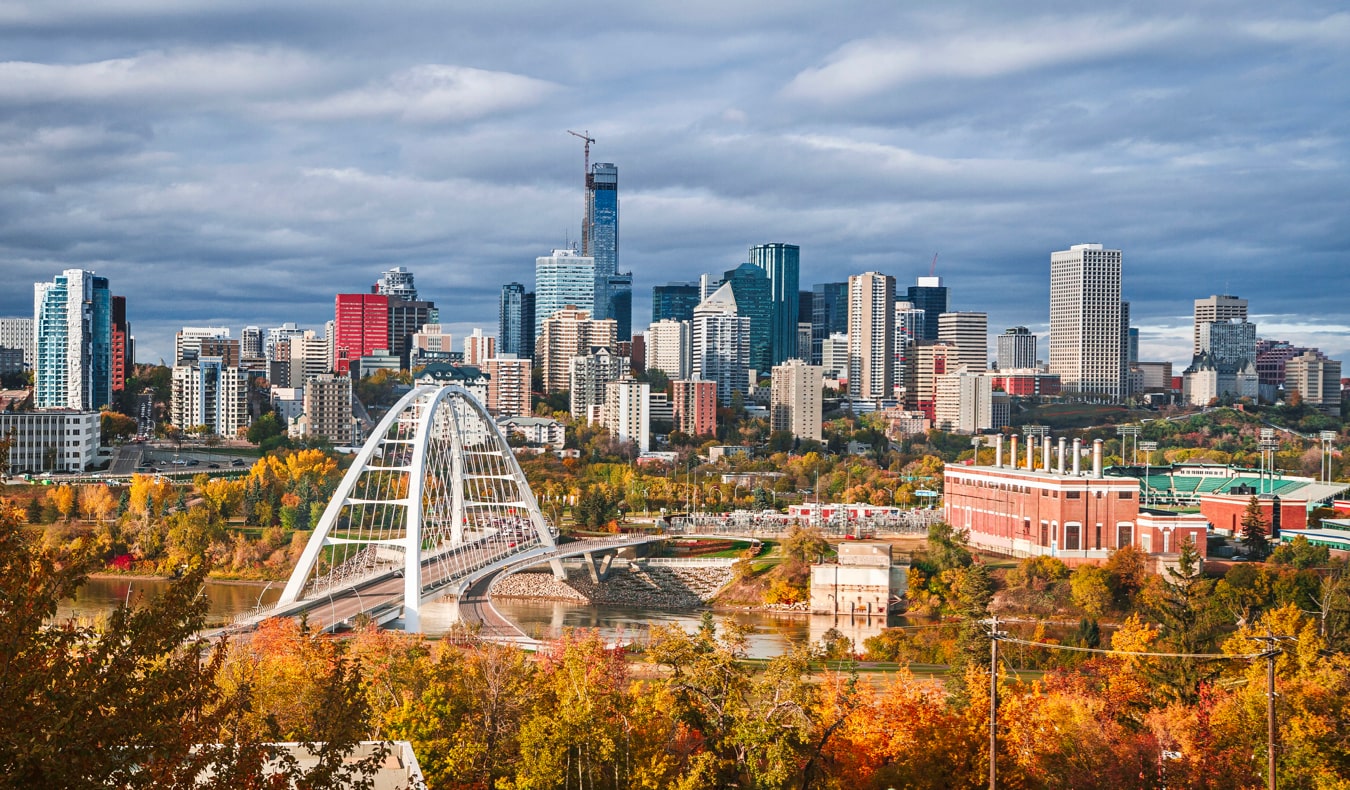
Teeming with history and culture rich as hot chocolate, Alberta’s capital city is the perfect way to finish off your tour of the province. Edmonton has been dubbed “the festival city” on account of its year-round cultural festivals, so you’ll never be short on things to do here.
The Fringe Festival is the biggest and oldest of its kind in North America and offers a dynamic theater experience. Running annually for ten days in the middle of August, it often attracts more than 1,500 local, national, and international artists, who give well over a thousand performances across the city.
The Silver Skate Festival is becoming one of the premier events in Alberta to celebrate and embrace winter. One highlight is the opening of the ice castles in Hawrelak Park, typically several weeks before the February festival. During the ten days of the festival itself, expect snow sculpting, skate races, helicopter tours, and more.
If you aren’t in Edmonton during a festival, take time and stroll through the grounds of the Alberta Legislature. Not only is “the Ledge” an architectural journey into the past (construction was started in 1907) but you can also learn about the Canadian government, Alberta’s political history, and the art and architecture of the building by taking a free tour.
Edmonton’s river valley is the largest urban park in North America, with 100 miles (160 kms) of maintained paths. So you don’t even have to leave the city itself to explore nature! Walk and cycle as far as you like, taking in any (or all) of the 20 city parks along the river.
Head for the Neon Sign Museum one night. This collection of 20 functional historic signs tells the story of Edmonton’s neon past al fresco. This exhibit is completely free and open 24/7.
If you didn’t get your wildlife fill in the Rockies, then head a short distance outside of the city to Elk Island National Park. Elk Island is the only fenced national park in Canada, a conservation effort to help bring the bison population back.
And you didn’t think I’d go this entire post without mentioning a hockey game, did you? The Edmonton Oilers play in one of the newest arenas in the NHL, so catch a game if you can, especially if they are playing their provincial rivals, the Calgary Flames.
If you are visiting in summer, you can also watch a heated Canadian football (not soccer) battle between the Edmonton Eskimos and the Calgary Stampeders.
Can’t-Miss Food and Drink
Stop at Duchess Bake Shop. This Parisian-inspired café blends some of Alberta’s favorite flavors with French pastries, all made from scratch daily. It’s regularly mentioned as one of the best cafés in the city.
Hathaway’s Diner has quality food at reasonable prices. And who doesn’t love old-school-diner kitsch?
A few years ago, Alberta’s tax system changed up the way it categorized breweries, which resulted in an explosion of craft beer across the province. Don’t miss a stop at Craft Beer Market as it offers up Canada’s largest selection of craft brews.
Where to Stay in Edmonton
- HI Edmonton – Located just off of Whyte Avenue in Edmonton’s historic Old Strathcona neighborhood, this hostel is right near the river valley park system (also many bus stops to get to other destinations).
- Days Inn Downtown – Conveniently located in the downtown core and only minutes away from local attractions, this hotel is an excellent option for those not wanting to give up comfort while staying on budget.
Day 10: Driving to Calgary

It only takes three hours to drive from Edmonton to Calgary on a busy highway. Use your last day to visit more of Calgary.
If you have time, visit the Heritage Ranch near Red Deer (about halfway through the drive). A rancher will drop you off in the middle of the wilderness with a map and a compass (or a GPS). Your goal is to remain at large and capture four designated flags within an hour. All the while, you are being hunted by a man on a horse. It is terrifying and exhilarating and everything in between!
A little closer to Calgary, you can turn off the main highway into Torrington and find the Gopher Hole Museum. Gopher overpopulation is a problem in the area, and so the residents wanted to create something quirky to bring in tourists. The museum is one small room of taxidermied rodents staged in a variety of scenes that highlight local life (think curling gophers, beautician gophers, etc.). It will take no more than a half-hour to visit, but it is well worth the detour for all the WTF moments to be had.
Alberta is a very big province. By comparison, Texas is only 2% bigger. If it is the mountains that call you here, then that is rightly so, but I hope you will also take the time to explore other parts of this land rich in attractions. They will keep anyone and everyone entertained for ten days and beyond!
Dalene Heck and her husband Pete are behind the blog Hecktic Travels, which chronicles their journey since selling all their belongings in 2009. They’ve recently started the website Road Trip Alberta to encourage people to visit their home provence.
Book Your Trip to Canada: Logistical Tips and Tricks
Book Your Flight
Use Skyscanner to find a cheap flight. They are my favorite search engine because they search websites and airlines around the globe so you always know no stone is left unturned.
Book Your Accommodation
You can book your hostel with Hostelworld as they have the biggest inventory and best deals. If you want to stay somewhere other than a hostel, use Booking.com as they consistently return the cheapest rates for guesthouses and cheap hotels.
Don’t Forget Travel Insurance
Travel insurance will protect you against illness, injury, theft, and cancellations. It’s comprehensive protection in case anything goes wrong. I never go on a trip without it as I’ve had to use it many times in the past. My favorite companies that offer the best service and value are:
- Safety Wing (for everyone below 70)
- Insure My Trip (for those over 70)
- Medjet (for additional repatriation coverage)
Looking for the Best Companies to Save Money With?
Check out my resource page for the best companies to use when you travel. I list all the ones I use to save money when I’m on the road. They will save you money when you travel too.
Want More Information on Canada?
Be sure to visit my robust destination guide on Canada for even more planning tips!
The post How to See Alberta: A 10-Day Suggested Driving Itinerary appeared first on Nomadic Matt's Travel Site.
]]>The post The 4 Best Hostels in Toronto appeared first on Nomadic Matt's Travel Site.
]]>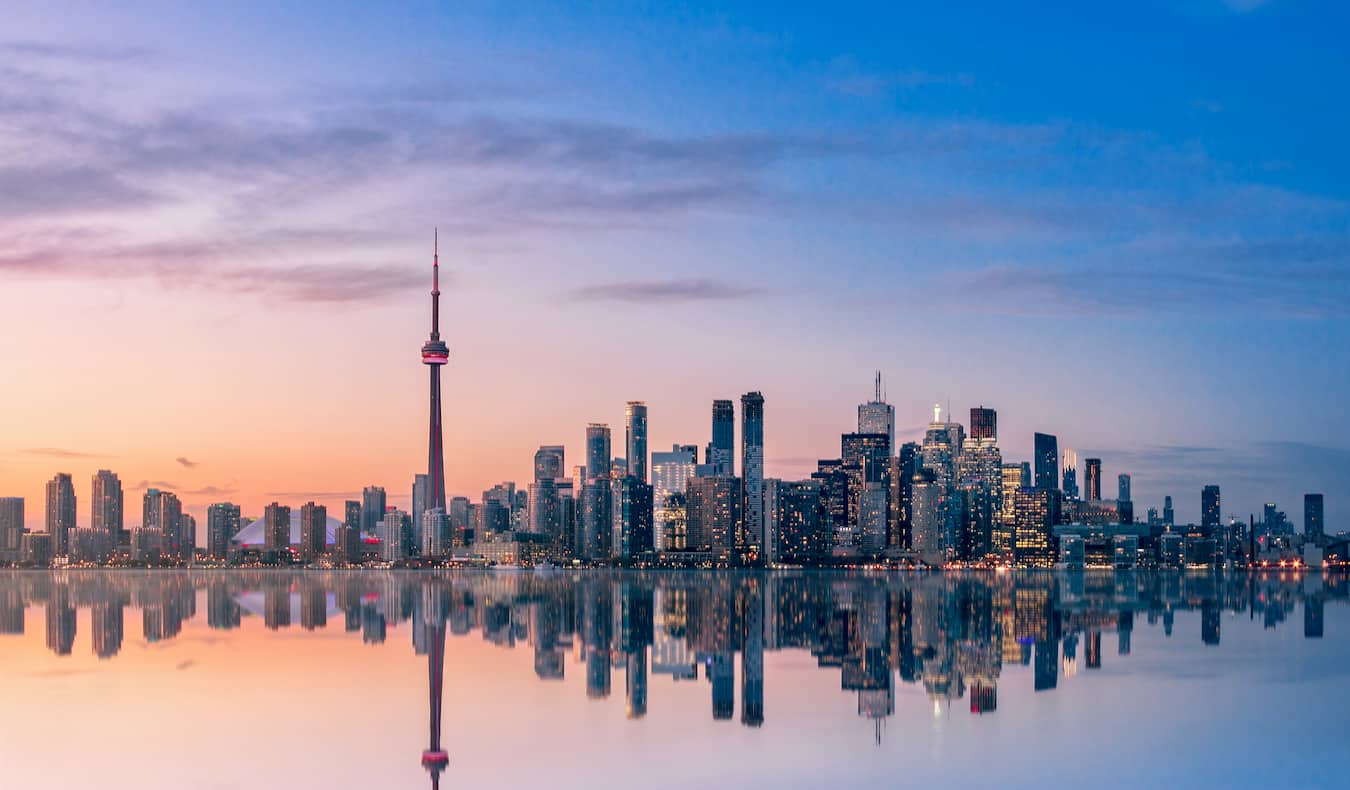
Toronto is Canada’s version of New York City. It’s a diverse, multicultural city with a vibrant nightlife, amazing food scene, and tons of fun things to see and do — no matter what season you visit.
While it may lack the historic charm of Montreal or the natural beauty of Vancouver, Toronto is a massive metropolis that will easily keep you entertained.
However, it can also be an expensive city to visit.
Budget hotels are inconveniently located and Airbnb prices rise every year. Fortunately, the city has a few budget-friendly hostels that will help you save money — money you can spend enjoying the city and all it has to offer!
To help you plan your trip, here is my list of my favorite hostels in Toronto. If you don’t want to read the longer list below, the following hostels are the best in each category:
Want the specifics of each hostel? Here’s my comprehensive list of the best hostels in Toronto:
1. Planet Traveler Hostel
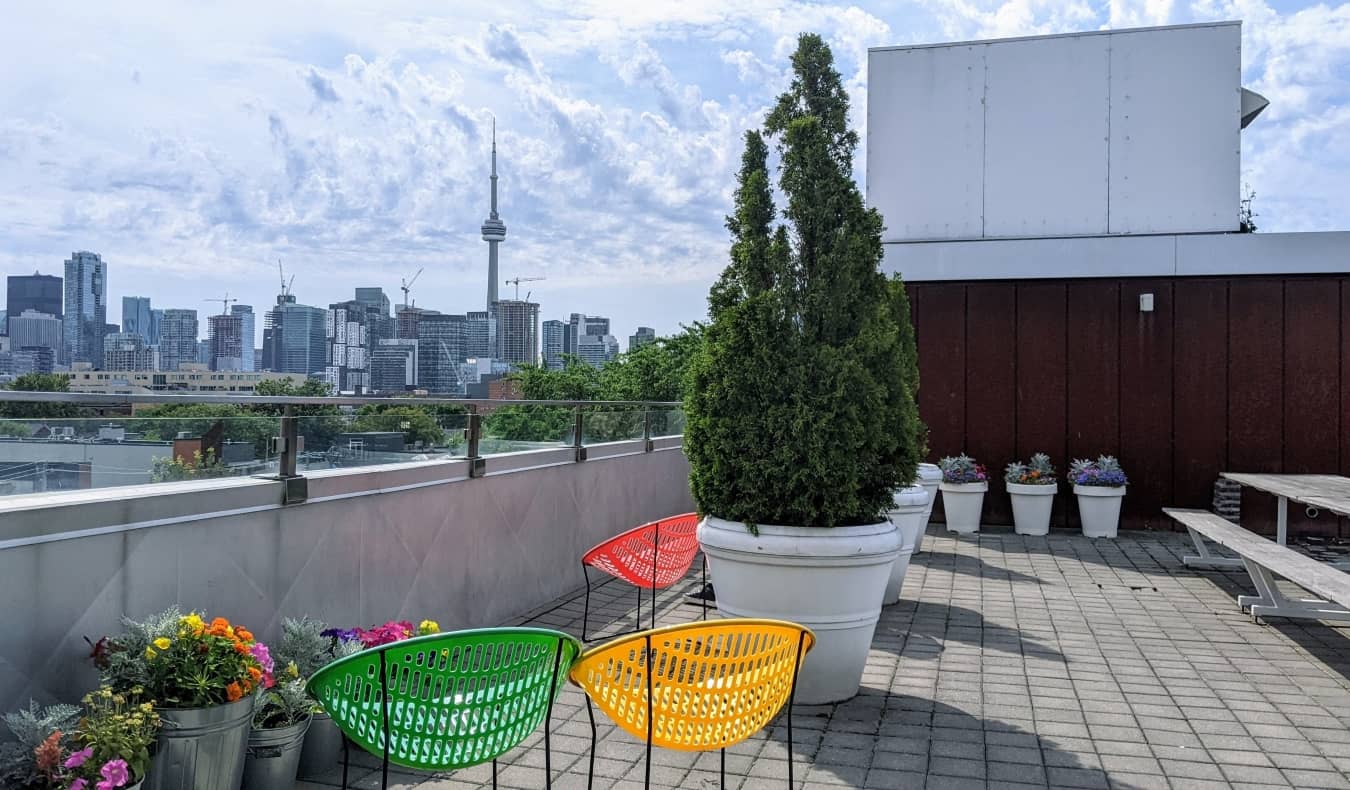
Planet Traveler is a fantastic hostel because they really get what we travelers need. All of the rooms are ensuite (including all dorm rooms), there’s a fully equipped kitchen with free breakfast until 1pm (and it’s actually pretty decent), there are two private lockers for every guest, and best of all, there’s an awesome rooftop terrace with incredible views over downtown Toronto.
It’s a fun hostel and very easy to meet people here, with the super friendly staff hosting regular weekly events like trivia nights and pub crawls. The beds are super comfy too so you can get a decent sleep (a big plus in my book!), with several rooms offering pod-style beds for extra privacy. The hostel is located in Kensington Market, one of the coolest neighborhoods in Toronto, with tons of affordable eateries and interesting shops right at the hostel’s doorstep.
Planet Traveler Hostel at a glance:
- Hosts lots of events
- Free breakfast (until 1pm)
- Great central location
2. The Only Backpacker’s Inn
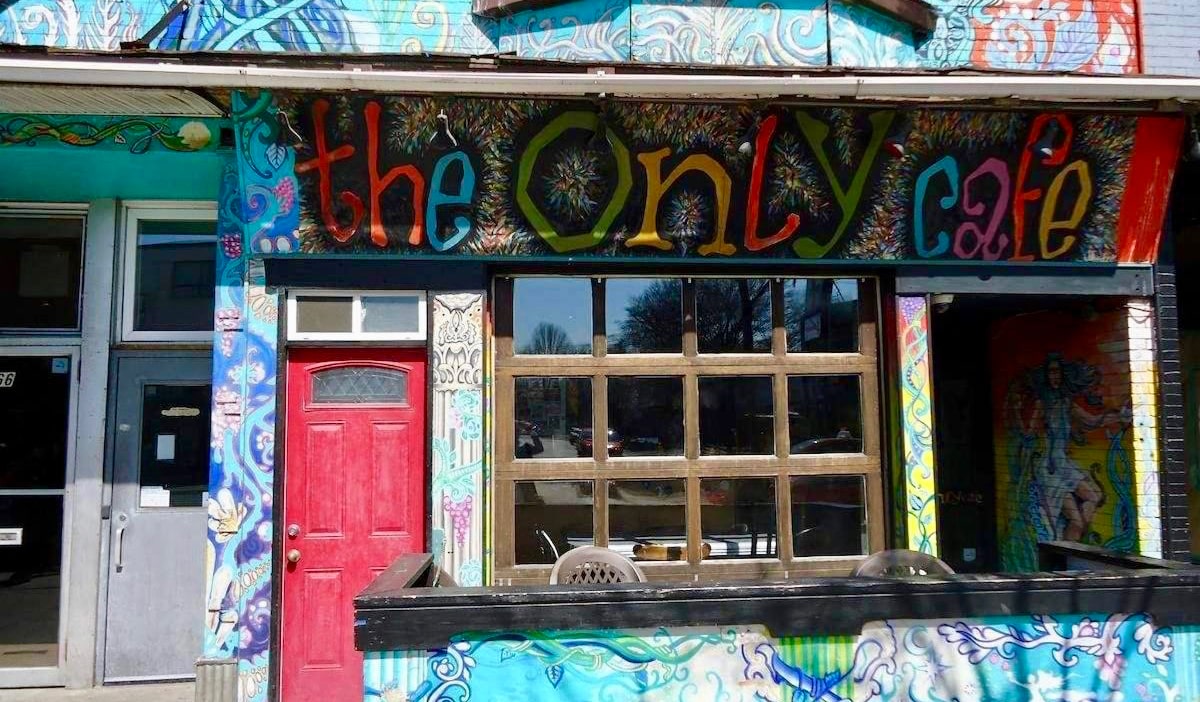
This is your standard chill backpacker hostel. They have a bar (with over 200 beers), a café, a lot of common areas (including an outdoor patio), and free breakfast. The staff are super friendly and it’s located near the subway so you can easily get around the city and explore.
The dorms here are small, but the mattresses are thick and comfortable. Everything is bright and colorful and the whole place has a bit of a DIY feel. In short, it’s your laid-back, classic backpacker hostel and a good choice for solo travelers looking to meet people.
The Only Backpacker’s Inn at a glance:
- Free breakfast
- Helpful staff
- Chill outdoor patio
3. The Parkdale Hostellerie
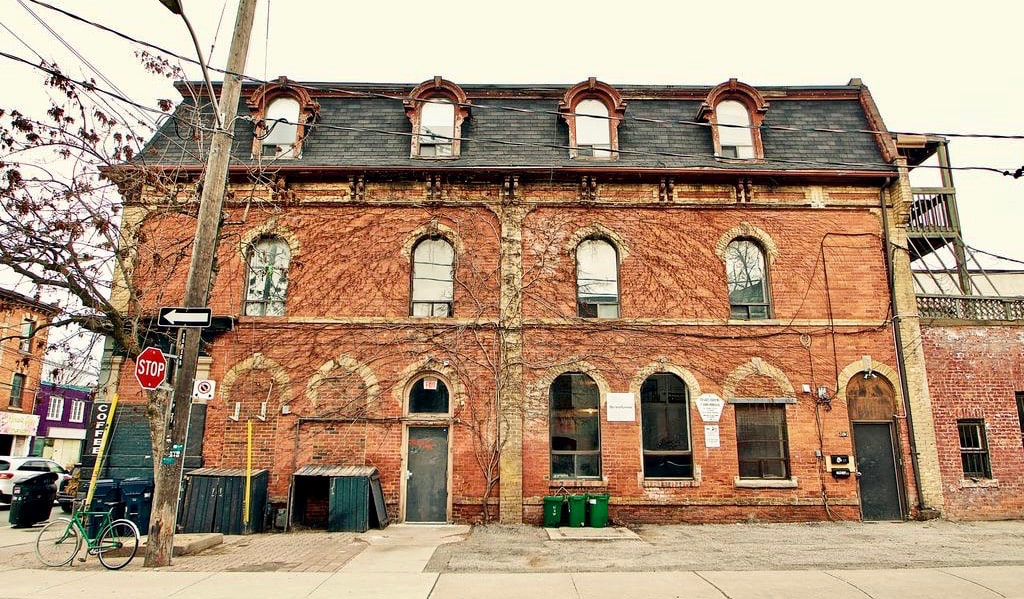
This is the most affordable hostel in the city. There’s no free breakfast but the money you save makes up for that. There’s a lot of common space as well as a communal kitchen. It’s not as central as the other hostels but it’s near Vegandale, an up-and-coming vegan area of the city, as well as Echo Beach and Fort York (a national historic site). The amenities and design aren’t the most modern, but it’s super cheap and has a welcoming, homey feel to it.
If you’re not looking to be social and just want to save money, this is the hostel for you.
The Parkdale Hostellerie at a glance:
- Super affordable
- Social atmosphere
- Near lots of great restaurants
4. The Clarence Park
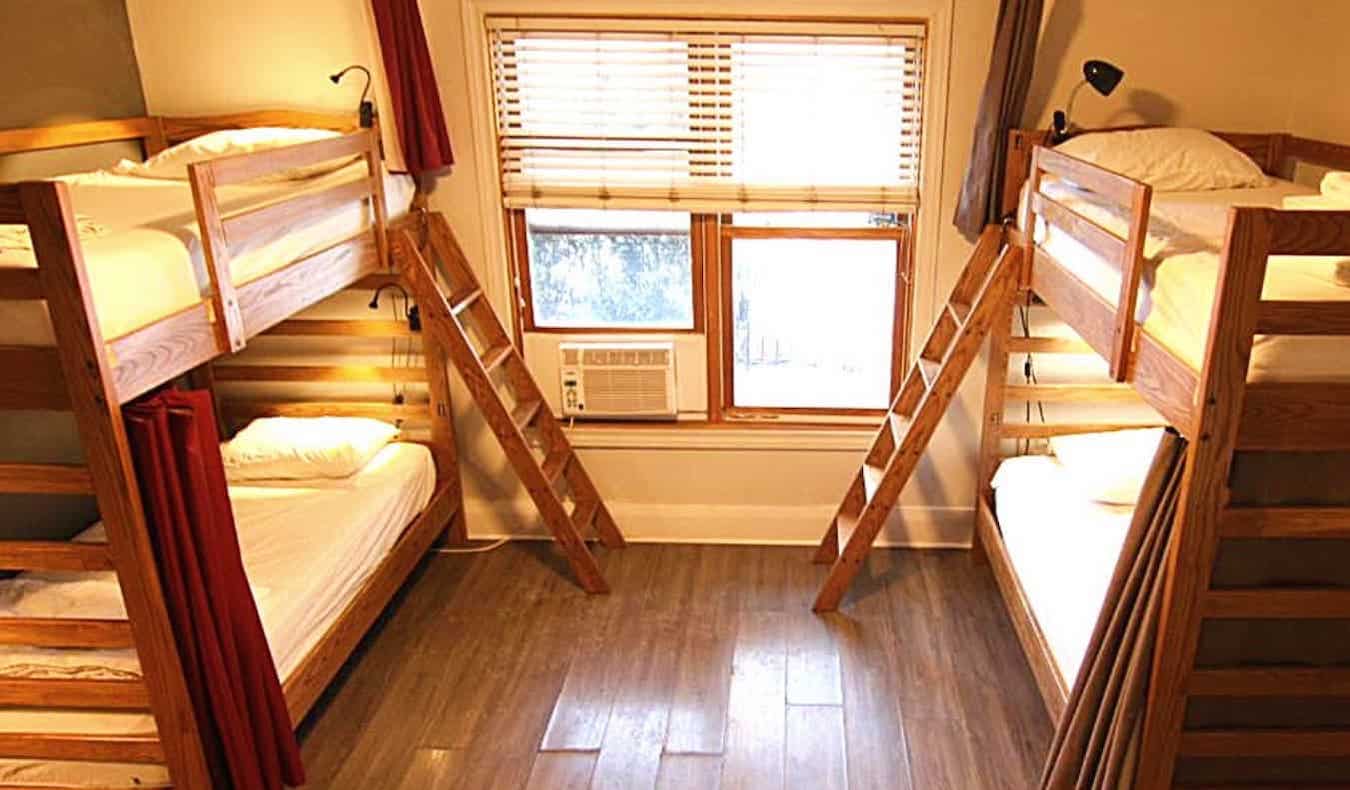
This centrally located hostel is just a few blocks away from the CN Tower, the Rogers Centre, Toronto’s harbor front, and many other famous sights. It’s a great place to stay if you want to be in the heart of it all. Of course, you will have to pay a little extra for that privilege.
The Clarence Park is a social hostel, with a cozy lounge offering free tea and coffee, weekly events, and a rooftop terrace and BBQ (seasonal, this is Canada after all!). There’s also a large, fully equipped, and modern kitchen, which is great for cooking your own meals to save some money. The are desks in every room as well as free Wi-Fi throughout the property.
The Clarence Park at a glance:
- Communal kitchen
- Weekly social events
- Rooftop terrace and BBQ
Book Your Trip to Toronto: Logistical Tips and Tricks
Book Your Flight
Use Skyscanner to find a cheap flight. They are my favorite search engine because they search websites and airlines around the globe so you always know no stone is left unturned!
Book Your Accommodation
You can book your hostel with Hostelworld as they have the biggest inventory and best deals. If you want to stay somewhere other than a hostel, use Booking.com as they consistently return the cheapest rates for guesthouses and cheap hotels.
For a list of the best areas to stay in the city, check out this post.
Don’t Forget Travel Insurance
Travel insurance will protect you against illness, injury, theft, and cancellations. It’s comprehensive protection in case anything goes wrong. I never go on a trip without it as I’ve had to use it many times in the past. My favorite companies that offer the best service and value are:
- Safety Wing (for everyone below 70)
- InsureMyTrip (for those over 70)
- Medjet (for additional evacuation coverage)
Looking for the Best Companies to Save Money With?
Check out my resource page for the best companies to use when you travel. I list all the ones I use to save money when I’m on the road. They will save you money when you travel too.
Want More Information on Toronto?
Be sure to visit my robust destination guide on Toronto for even more planning tips!
The post The 4 Best Hostels in Toronto appeared first on Nomadic Matt's Travel Site.
]]>